Businesses take the leap to brick-and-mortar stores
BY SKYLER OBISPO
Journal Staff
From Hawaiian cuisine to baked goods, new businesses in Guam continue to emerge heading into 2026.
On Dec. 19, La Mae’s Bake Shop hosted a soft opening for its location within Pay-Less Supermarkets at the Micronesia Mall.
Originally a home business, owner Trisha Mae Marquez said baking was a creative outlet for her during the COVID-19 pandemic; a way to manage anxiety and express care for the people in her life. When Marquez started posting her work on social media, her business began taking off.
(From left) Cian Rupido, marketing associate and main cashier; Kiersten Riparip, kitchen operator; Elnathan Ramos, assistant baker; Trisha Mae Marquez, owner; and ArAr Villones, Marquez’s partner, all from La Mae’s Bake Shop. Photo by Skyler Obispo
She said the push to open a brick-and-mortar location came from the community, particularly through her work as the social media marketing manager for the Guam Women’s Chamber of Commerce.
“It was through that experience … where [the Guam Women’s Chamber] revealed to me my potential and how we are not limited to what society expects of us,” she said. “So, I turn[ed] something I love into something I’m going to do full time.”
One of the biggest challenges was becoming comfortable enough to take the risk, Marquez said.
“I kept waiting for the right moment to start, but there was never going to be that moment. And once I realized that I just decided to go all in.”
Community is a central tenet of La Mae’s Bake Shop, which made the business’s August 2025 meeting with Pay-Less a natural fit, she said.
“They were awesome. Pay-Less is such a community and family-based company, so it really aligned with our mission, which was to spread and bake smiles as sweet as our treats,” she said.
Having physical space allows customers to pick up orders directly, rather than meeting in public locations, and gives Marquez and her staff more room to increase production and meet growing demand.
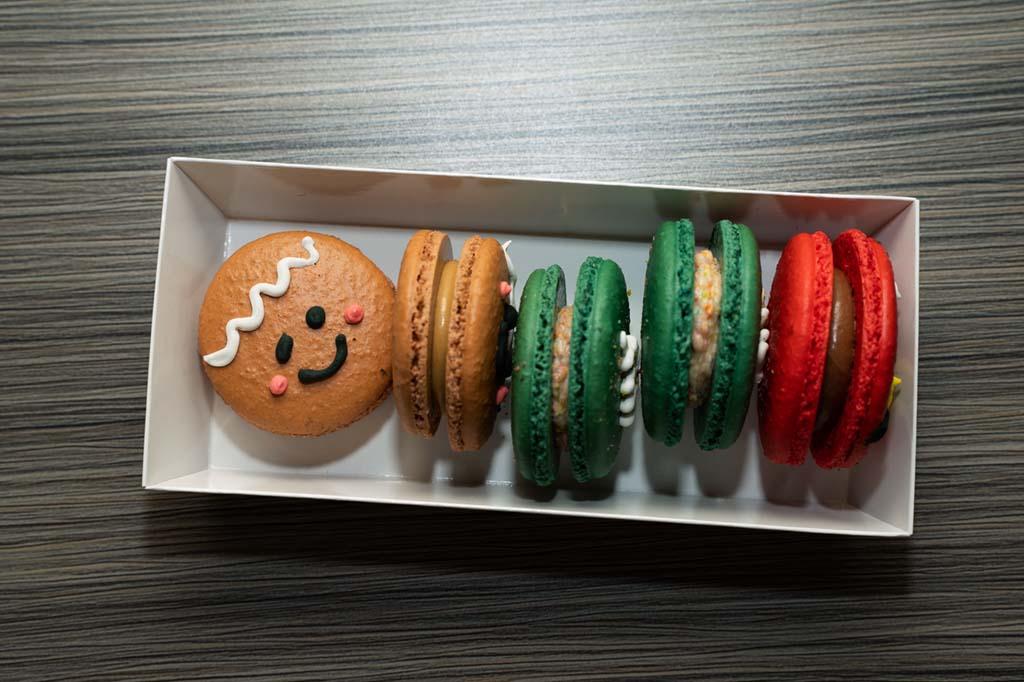
Holiday themed macaroons served at La Mae’s Bake Shop. Photo by Skyler Obispo
Marquez credited her partner, ArAr Villones, and the community for supporting the bakery’s transition to a storefront. Looking ahead, she said the business plans to collaborate with other small businesses.
“The possibilities are endless,” she said.
On Dec. 13, Pono Hawaiian Grill, a popular Hawaiian street food truck, opened the doors for its brick-and-mortar shop in Hagåtña, across from Chamorro Village.
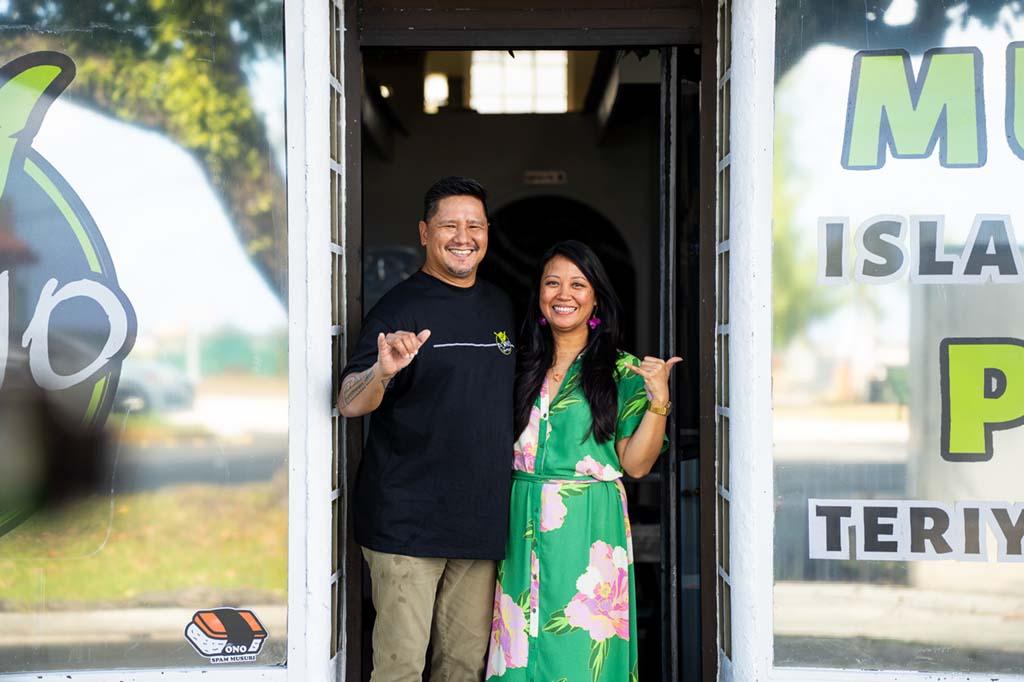
Owned by longtime food truck operators Bert Javier and his wife, Naomi Anderson, the business reflects more than 15 years of experience in the mobile food scene.
Javier said Pono’s is one of the best Hawaiian food shops in the Santa Cruz area in California and he came to Guam in 2021 to test the waters.
(From left) Bert Javier and Naomi Andersen, owners, Pono’s Hawaiian Grill. Photo by Skyler Obispo
“I decided to see if the brand would stick,” he said. “I saw an opportunity and so I said, ‘Let’s try it out first with a food truck and see where we go from there.’”
The decision to open a physical location was driven by strong customer support, Javier said — an encouraging sign in an industry as challenging as food service.
While the brick-and-mortar shop was always part of the long-term plan, Javier said the positive response allowed the business to accelerate its timeline.
“We had a three year/five year plan, and we tried to set goals,” he said. “Based on the response we were getting, we had an opportunity to accelerate the plan a little bit and we always viewed that a brick and mortar [property] was where we wanted to be.”
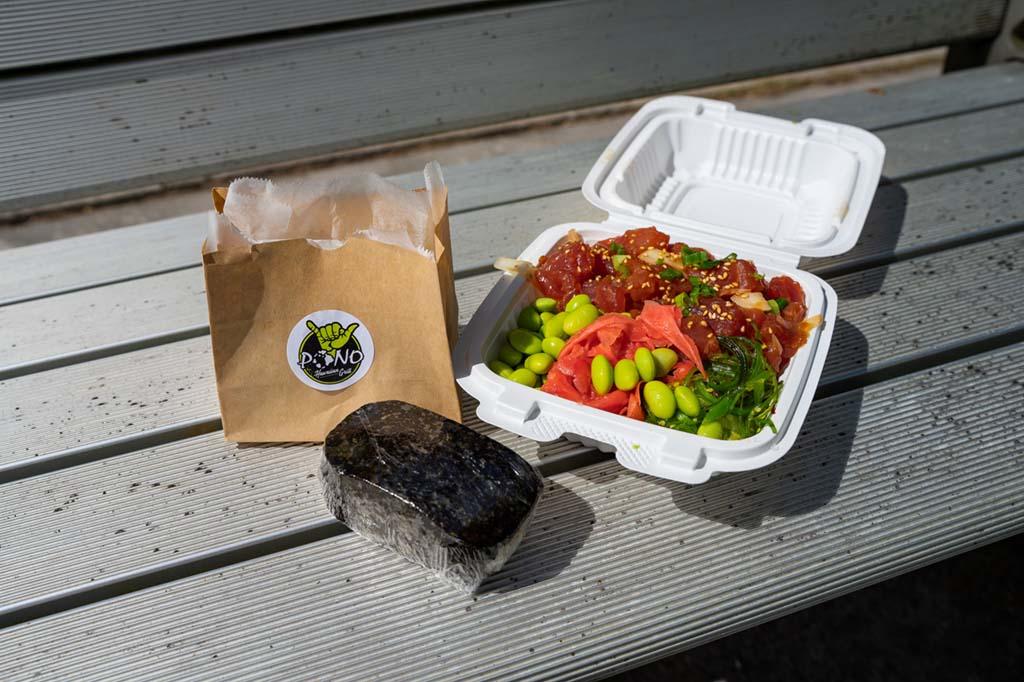
Pono Hawaiian Grill is known for its musubi and poke offerings. With the new location, Javier said the menu will expand to include dishes such as lau lau and other authentic Hawaiian ingredients.
Spam musubi along with tuna poke and onigiri from Pono’s Hawaiian Grill. Photo by Skyler Obispo
Some of the fish used for poke is sourced locally, though Javier said that can be challenging compared to Hawaii, where established fish markets are more readily available. Planning around seasonal availability plays a key role in menu preparation, he said.
The food truck, Pono’s bread and butter, will continue, according to Javier, and more locations or an expansion to the Northern Mariana Islands may be in the cards, but that may be considered after the business stabilizes its current growth.
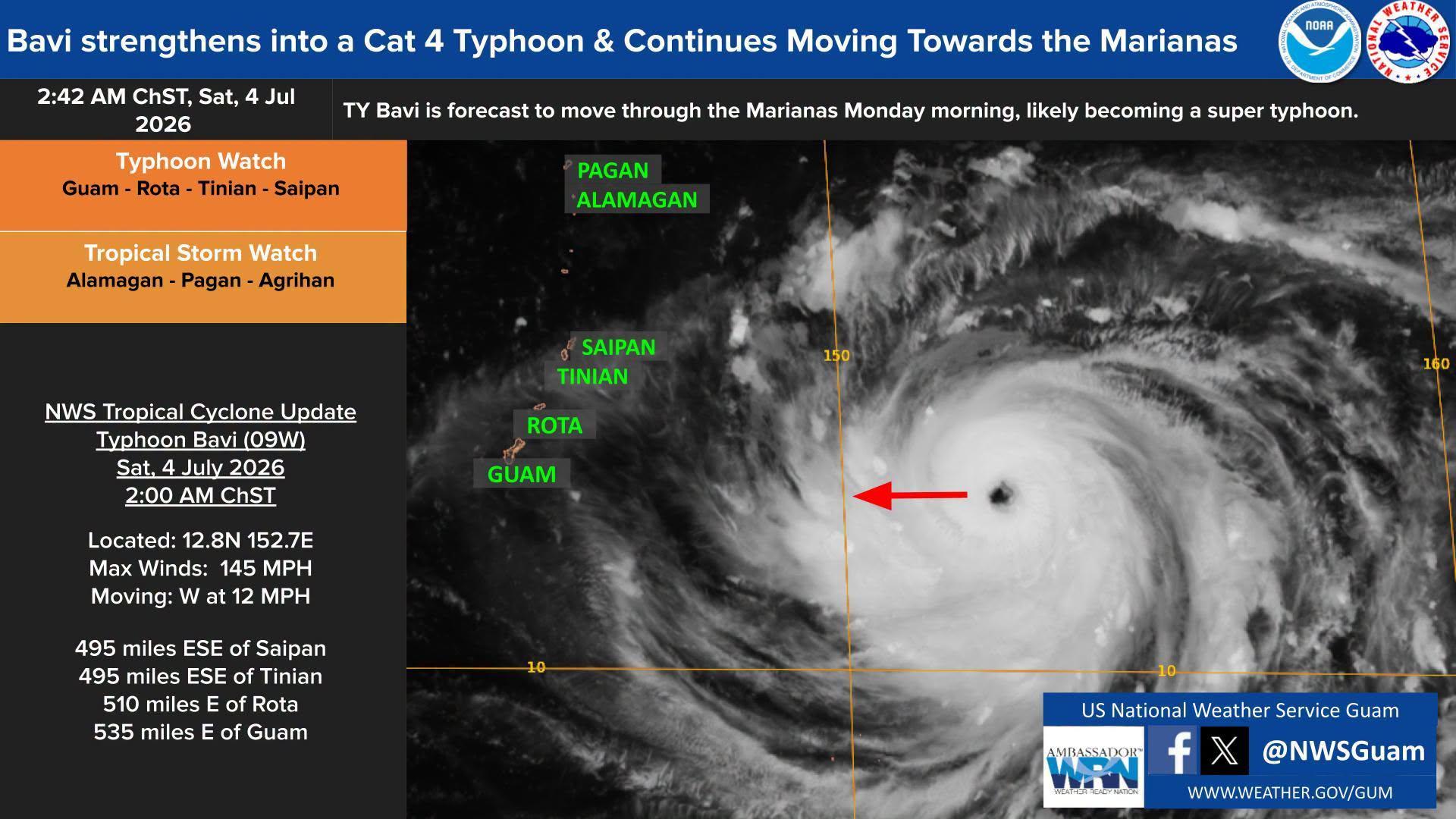
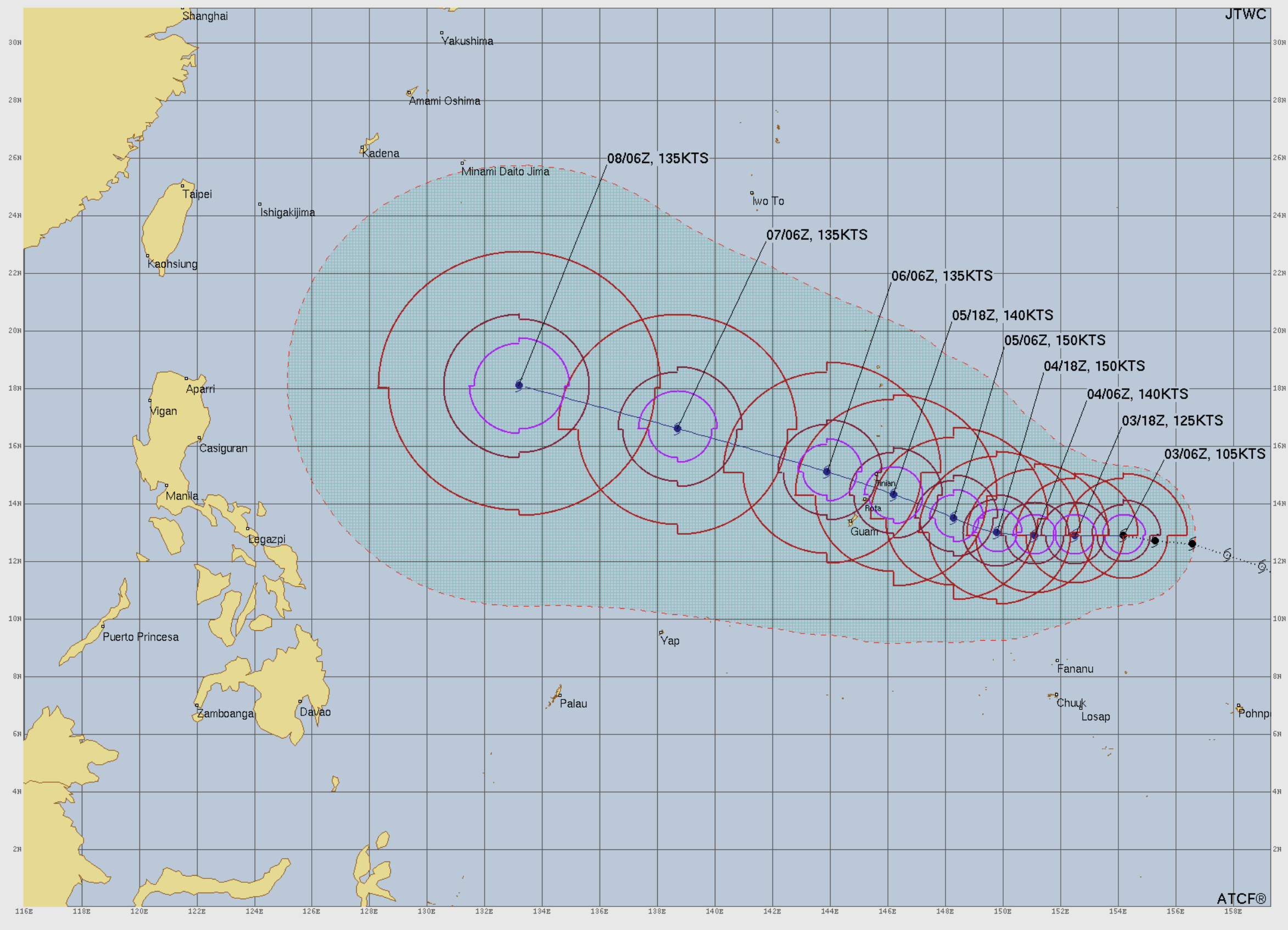
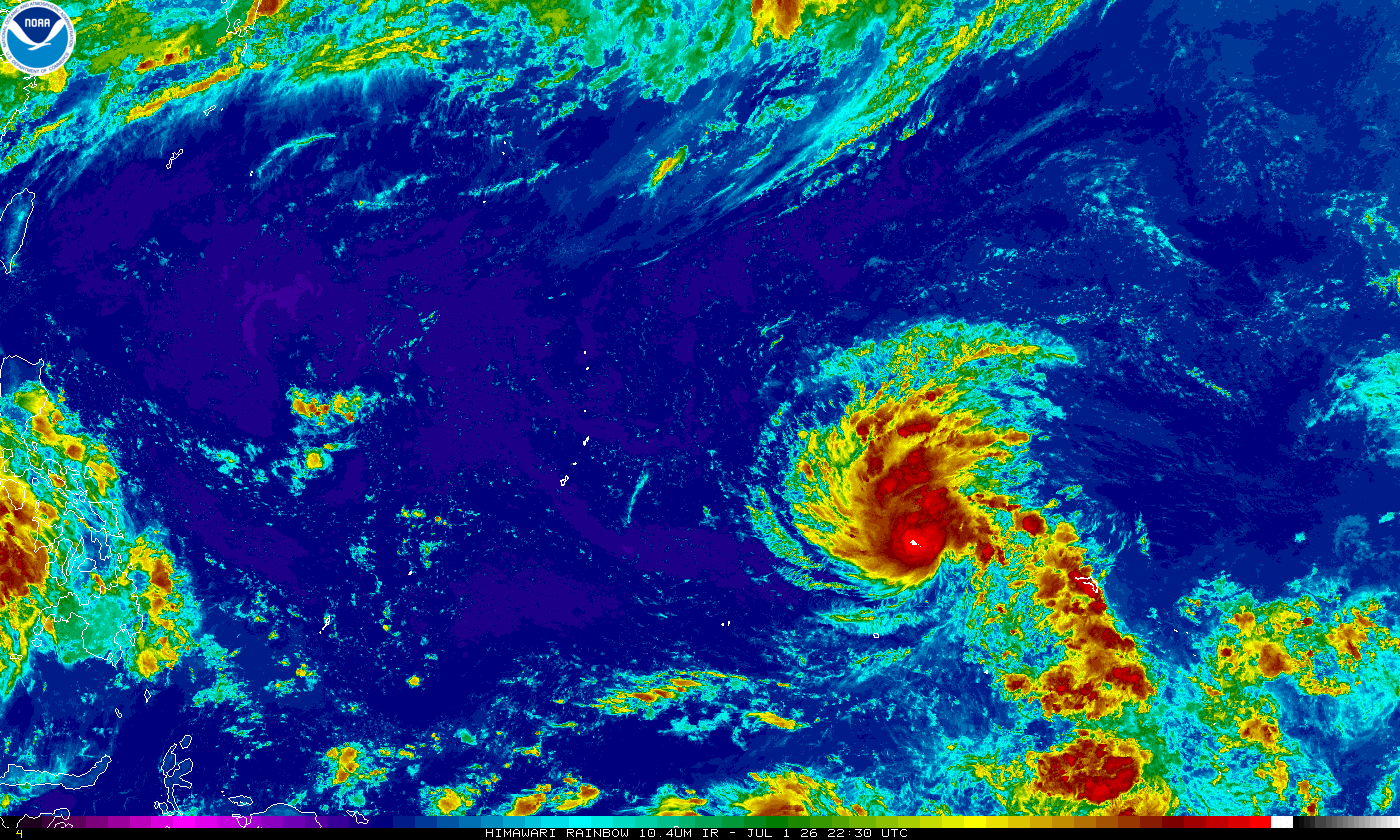
With Super Typhoon Bavi now packing maximum sustained winds of 160 mph and forecast to strengthen further as it moves toward the Marianas, emergency officials are urging businesses and residents to treat this weekend as their critical window to prepare for potentially damaging winds.
Guam and the Northern Mariana Islands are now in Condition of Readiness 3 as Typhoon Bavi approaches, with both governors urging residents and businesses to use the remaining hours of fair weather to prepare.
Task Force Talon relinquished command to the 3rd Battalion, 43rd Air Defense Artillery Regiment (3-43 ADA), ushering in a new battalion to take over Guam’s air missile defense systems.
Emergency management agencies across the region are urging residents and businesses to execute disaster preparedness plans as Tropical Storm 09W is forecast to rapidly intensify and potentially strike Guam and the Northern Mariana Islands as a Category four super typhoon.