Cannabis summit shows slow pace of regulation and challenges to the industry
BY JACQUELINE GUZMAN
Journal Staff
Government leaders, regulators and industry stakeholders gathered at the Cannabis Industry Regulations Annual Summit on Jan. 29 to discuss the state of Guam’s cannabis industry and the obstacles preventing
full implementation.
About 40 people in attendance were part of or interested in the cannabis industry.
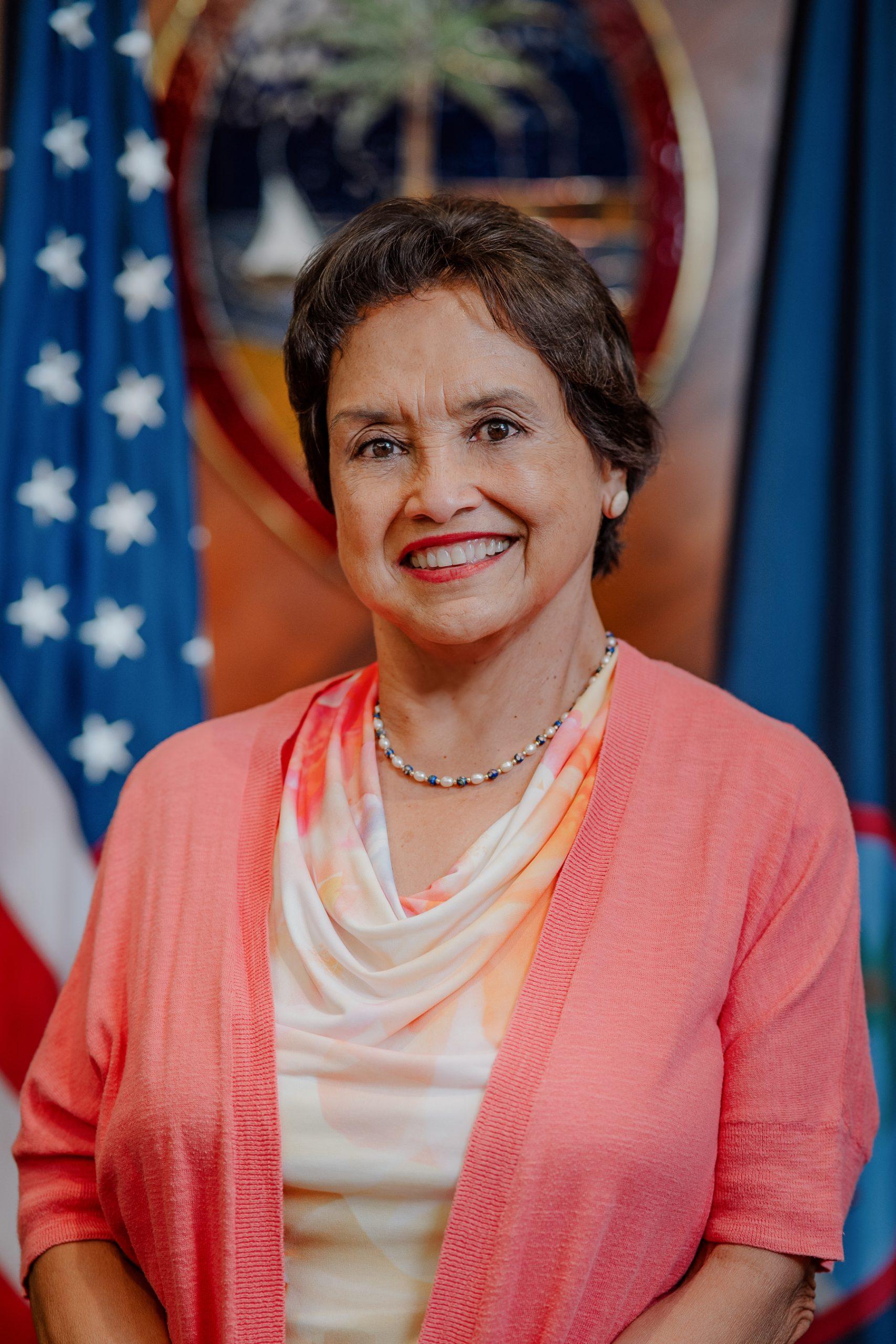
Gov. Lourdes A. Leon Guerrero reiterated her administration’s support for legalization paired with regulation.
“Our belief and our philosophy is that marijuana should be legalized,” she said. “This is the trend. This is what’s happening. And as we regulate it, we can control it more and make sure that the products are safe for our people.”
Sen. Tina A. Muña Barnes, author of the Compassionate Cannabis Act of 2013, said progress has been far slower than anticipated.
“This has been over a decade in the making,” Muña Barnes said. “The Compassionate Cannabis Act passed in 2013, and here we are in 2026 still trying to get this industry fully operational. I have not quit, and I will not quit.”
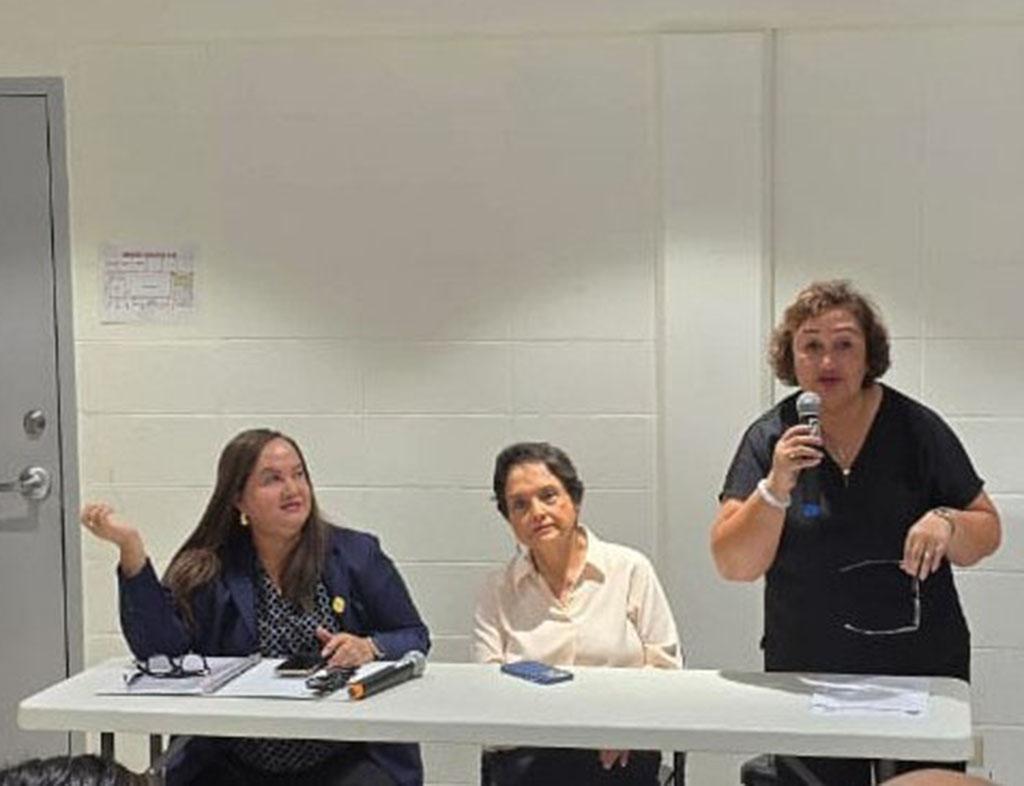
(From left) Sen. Tina A. Muña Barnes, Gov. Lourdes A. Leon Guerrero and Theresa Arriola, director of the Department of Public Health and Social Services. Photo by Jacqueline Guzman
She said continued delays impact patients seeking access.
“Every time we try to move forward, there seems to be another obstacle,” she said. “But this industry matters because it helps people who are suffering from debilitating health issues, and they deserve safe, legal access.”
Banking remains one of the largest barriers, according to Marie Lizama, director of the Department of Revenue and Taxation and vice chairperson of the Cannabis Control Board.
“There is currently only one financial institution willing to accept cannabis-related funds, and even then, transactions are largely cash-based due to federal banking regulations,” Lizama said.
Vanessa L. Williams Cruz, attorney and chairperson of the Cannabis Control Board, said Guam’s rules were shaped by federal prohibition.
“We were trying to build an industry while cannabis was still illegal at the federal level,” she said. “That created hesitation, confusion and a need to err on the side of caution in our rules.”
She emphasized that the regulatory framework was never meant to be static.
“These regulations were never meant to be permanent,” Williams said. “Regulation is an ongoing process, and now that we can see what is and isn’t working, it’s time to revisit the rules.”
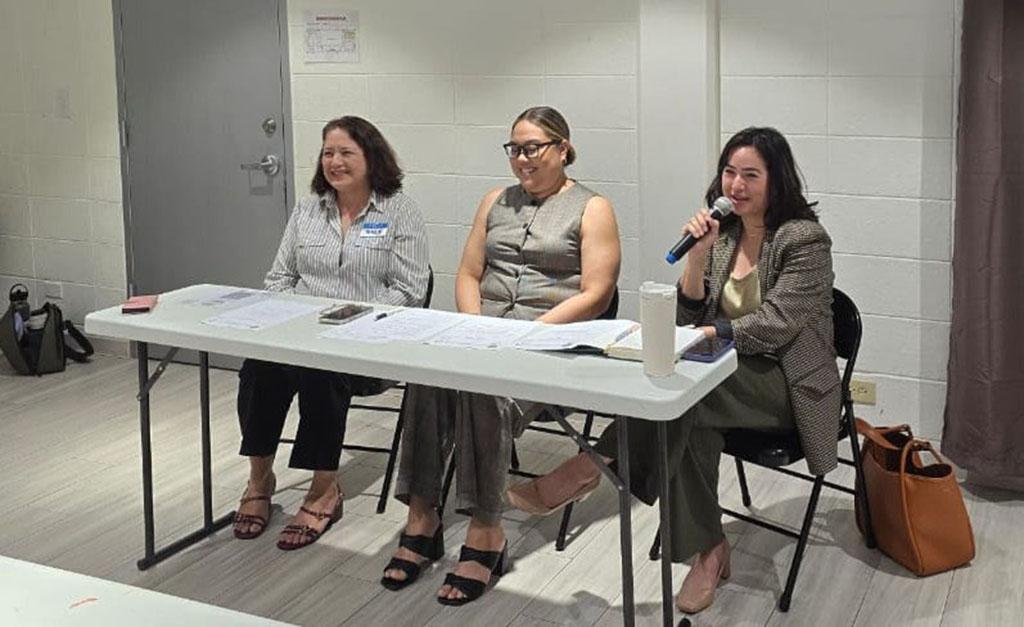
(From left) Marie Lizama, director, Department of Revenue and Taxation and vice chairperson, Cannabis Control Board; Amanda Shelton, deputy director, Department of Public Health and Social Services; and Vanessa Williams, attorney and chair, Cannabis Control Board. Photo by Jacqueline Guzman
From a public health standpoint, Amanda Shelton, deputy director of the Department of Public Health and Social Services, said coordination across agencies has slowed implementation.
“Standing up this industry requires coordination across multiple regulatory agencies,” Shelton said. “Each agency has its own responsibilities and navigating that process has been one of the biggest challenges.”
Industry participants said interest remains strong despite delays. Stephen Roberto, a cultivator with Guam Real Deal, said the vision behind legalization has not faded.
“This bill was about hope for the industry,” Roberto said. “The regulations and banking limitations have stalled progress, but people are still ready to invest their time, money and energy to do this the right way.” mbj
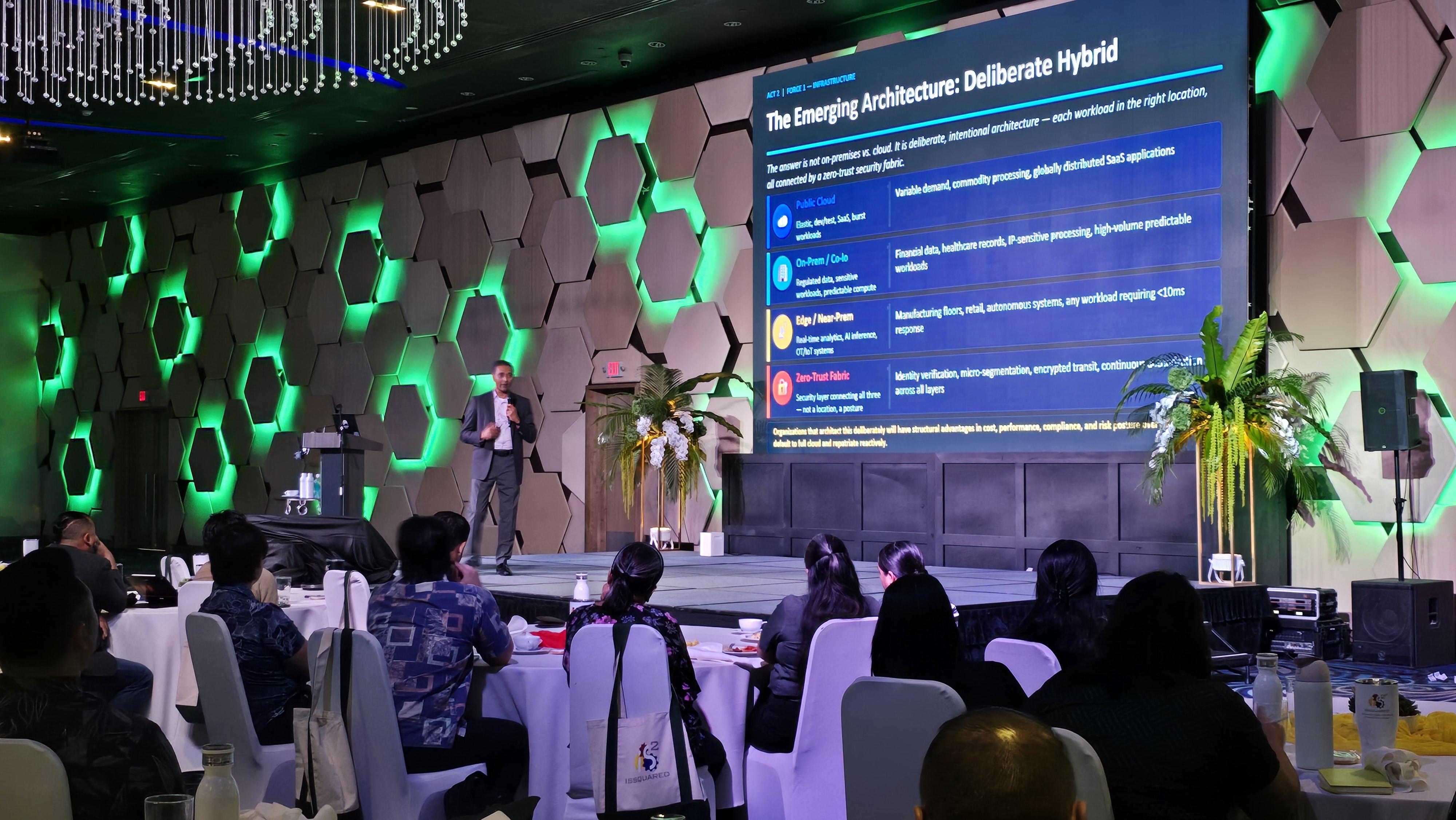
Rapid advancements in artificial intelligence, escalating cybersecurity threats, and mounting physical power grid constraints are forcing regional business leaders to fundamentally overhaul their technology strategies, shared to industry experts during a technology conference held on July 23 at the Dusit Thani Guam Resort.
Regional leaders, government officials, and industry executives gathered at the Guam International Airport Authority on Wednesday, July 22 for the inaugural session of the Guam-CNMI Visa Waiver Working Group, driving a unified regional effort to expand the Guam-CNMI Visa Waiver Program to include the Philippines.
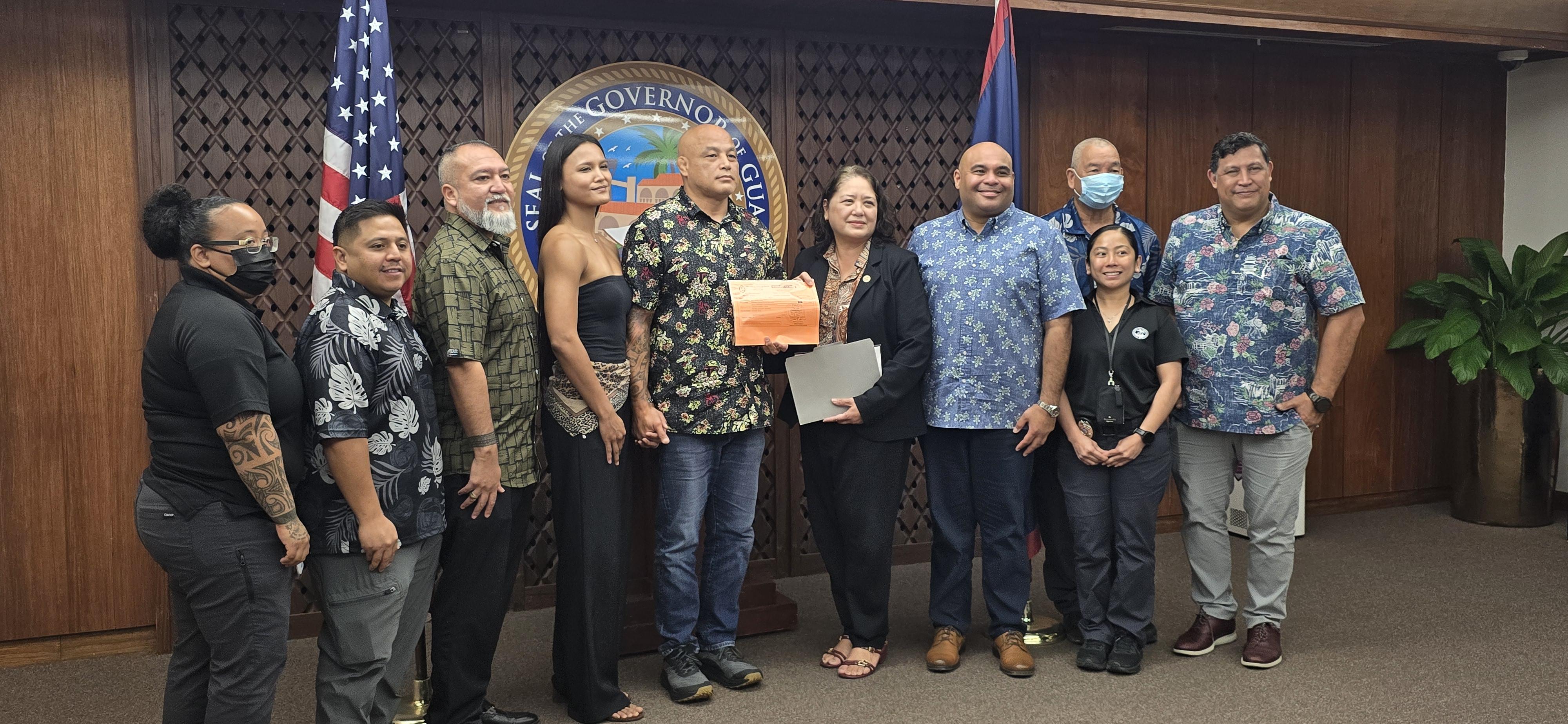
The commercial adult-use cannabis industry on Guam has officially launched following the issuance of the island's first recreational cannabis cultivation license to local grower Stephen Roberto, operator for Deep Green Guam of Guam Real Deal, LLC.