













BY DANIEL M. PEREZ
Journal Staff
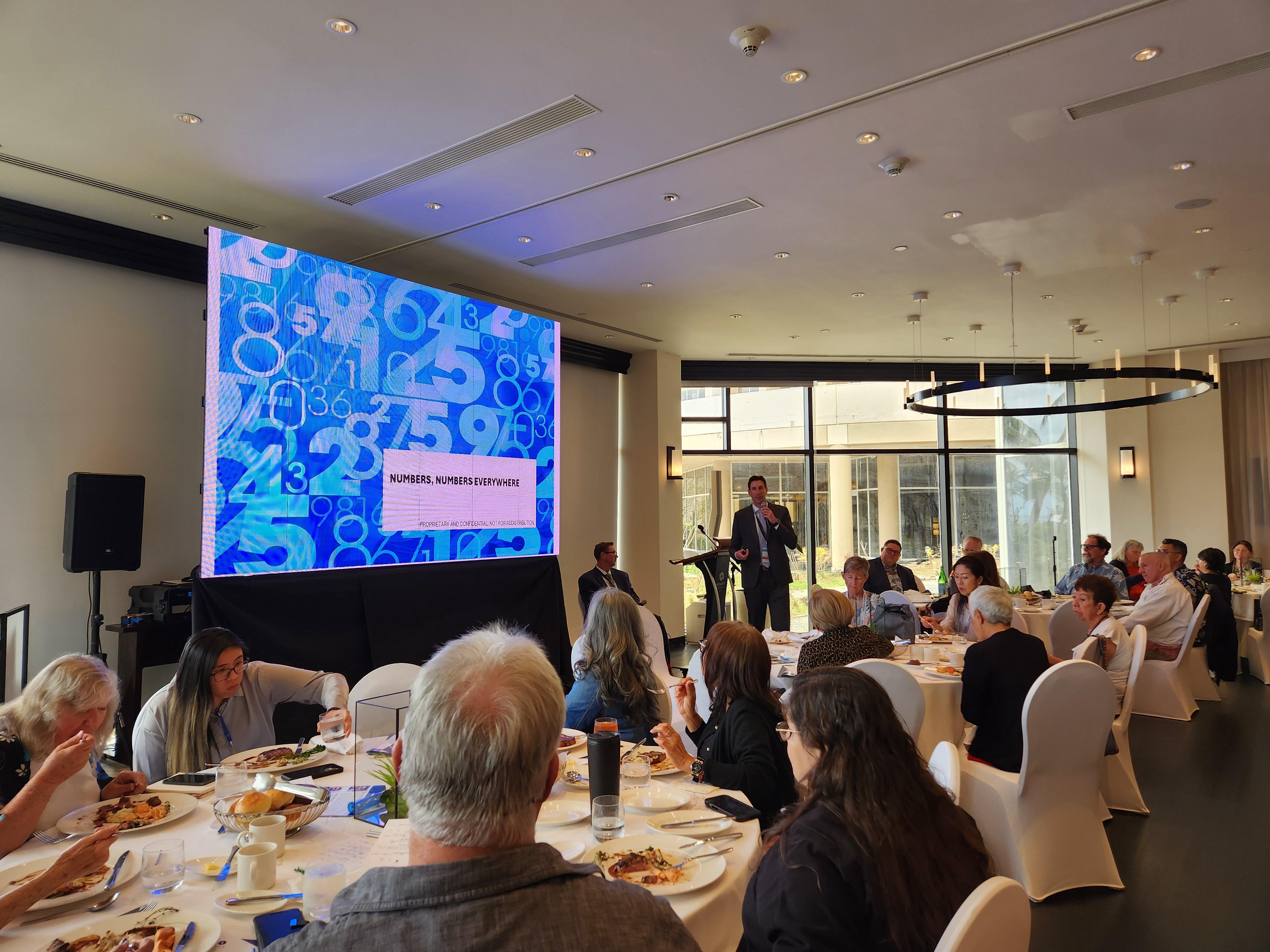
TUMON, Guam — Financial professionals and regional stakeholders gathered at the Hyatt Regency Guam for the two-day conference hosted by Raymond James & Associates on April 29 and April 30 at the Hyatt Regency Guam to address the evolving landscape of wealth management.
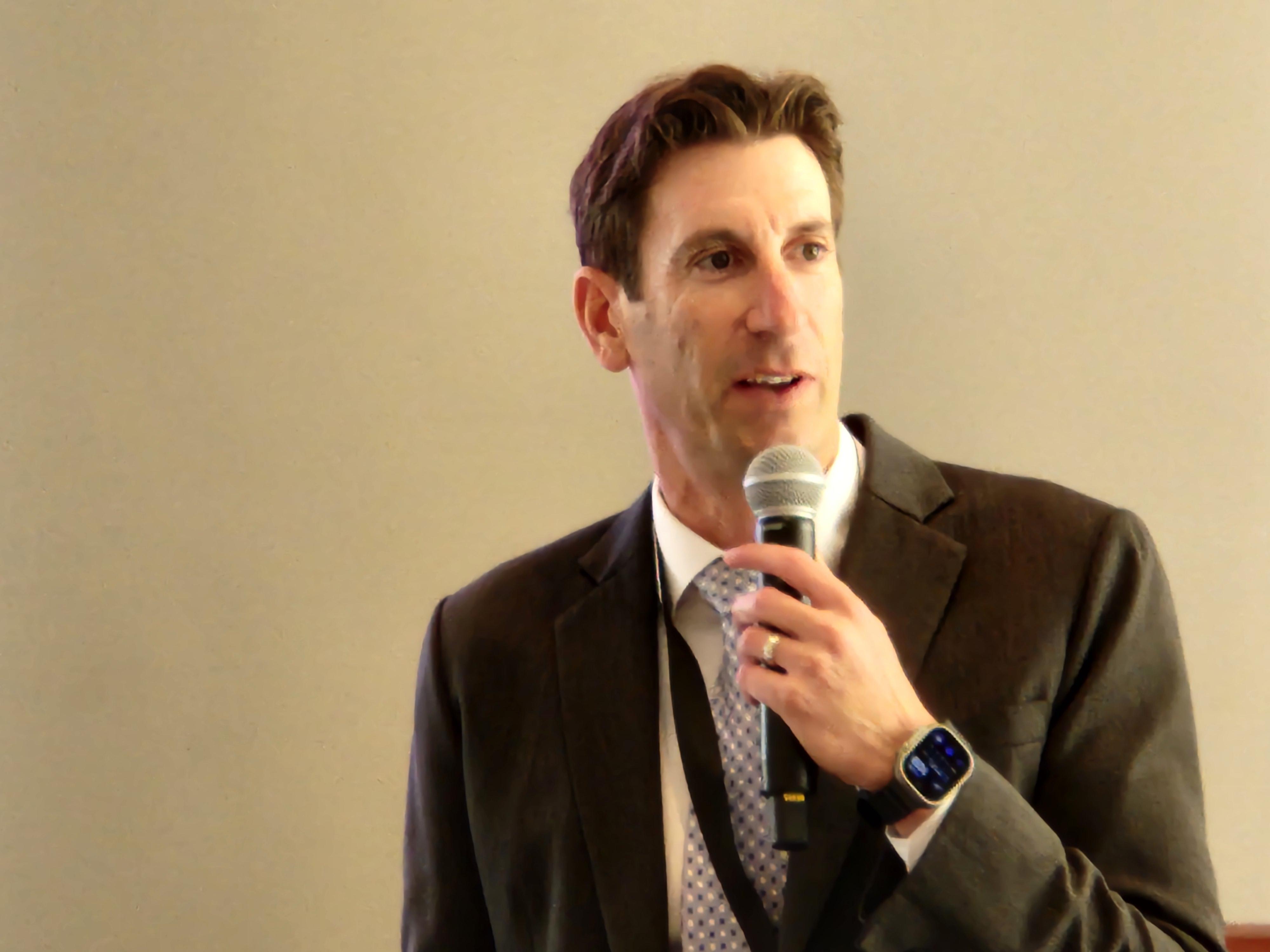
On April 30, the Retirement and Longevity Conference focused on the critical transition from the asset accumulation phase to the distribution phase, a period where retirees face heightened sensitivity to market volatility. Robert Bomberg, external wholesaler for MFunds, representing Catalyst & Rational Funds, noted that the timing of the discussion was "somewhat serendipitous" given current global fluctuations. Bomberg emphasized that investors must learn to "work with and take advantage of volatility in the markets instead of being fearful of it," particularly as they approach the end of their primary earning years.
Michael Sherbert, managing director of Millburn Ridgefield Corp., highlighted the psychological barriers that often impede sound financial decision-making during market drawdowns. Sherbert explained that the "recovery from a loss is exponential in nature," which creates a significant hurdle for those already withdrawing funds for living expenses. "You lose 10%, you need to make 11% back to get back to even," Sherbert said. "You lose 50%, you need to make 100% back. When you are in the distribution phase, those numbers become very unforgiving." This reality necessitates a shift from "get rich" strategies to "stay rich" strategies that prioritize the preservation of capital over aggressive growth.
A central theme of the conference was the "sequence of returns" risk, which Bomberg described as the primary threat to longevity in retirement. While dollar-cost averaging is a powerful tool during the accumulation phase, he warned that "negative dollar-cost averaging," withdrawing assets while the market is down, can permanently deplete a portfolio. "I like to operate under the belief that losing less is worth more," Bomberg said, adding that avoiding major pitfalls and large drawdowns is more valuable than capturing every market upswing. He argued that consistency is the most vital attribute of a successful retirement plan, as it ensures the portfolio can sustain distributions for 20 or 30 years.
To illustrate the importance of market persistence, Sherbert and Bomberg utilized a professional sports analogy featuring NFL hall-of-famer Randy Moss. They noted that in a 14-year career, Moss never missed a game due to injury because he avoided unnecessary contact. "The best ability is availability," the speakers emphasized, noting that the same principle applies to investing. When investors become emotional and pull themselves out of the market during a decline, they lose the "availability" required to benefit from compounded returns. The goal, according to the presenters, is to stay in the game by choosing investments designed to minimize the impact of "hits" or major market corrections.
Bomberg identified "Five Ds" currently reshaping the global economy and driving inflation: demographics, debt, digitization, decarbonization, and deglobalization. He noted that these structural shifts will continue to influence capital flows for the foreseeable future. Specifically, he identified digitization as a tool for "wage suppression," as companies utilize computer systems to replace entry-level workers.
"Those are the Five Ds of why we think there will continue to be capital flow, and that capital flow will benefit our systems," Bomberg said. He suggested that understanding these macro trends is essential for residents of Guam and the Northern Mariana Islands who seek to protect their wealth from inflationary pressures.
The speakers addressed the security implications of deglobalization, citing the supply chain disruptions experienced during the COVID-19 pandemic as a turning point. Bomberg pointed out that having the majority of pharmaceuticals manufactured in China has become a "significant national security component." This shift is leading to "friendshoring" or "nearshoring," where manufacturing is brought closer to home or to allied nations. This relocation of industry and capital represents a fundamental change in how global markets operate, and Bomberg argued that investment strategies must adapt to these new geopolitical realities to remain effective for retirees in the Pacific region.
The conference also tackled the unique challenges of the "decarbonization" movement, which Bomberg described as placing "massive, massive requirements on energy pull." As the world shifts toward alternative energy sources, the demand for new infrastructure creates both risks and opportunities for diversified portfolios. For retirees, the challenge is ensuring that their investments are positioned to benefit from these shifts rather than being caught in sectors that may face obsolescence. The presenters urged the audience to look beyond traditional asset classes and explore sophisticated hedging instruments that were once reserved for institutional investors but are now accessible to individuals.
Addressing the geographic isolation of the region, Bomberg dismissed the idea that living in the Pacific limits an investor’s potential. He asserted that a million dollars in Guam is no different than a million dollars in the continental United States and that regional residents have full access to global investment instruments. "Just because you live in Guam, this is a beautiful place and there's lots of opportunity here," Bomberg said. "Learning about how to invest in a variety of investments should not limit you because you live in Guam. They're available everywhere." He encouraged local investors to seek out the same high-level strategies used by major firms to mitigate longevity risk.
The necessity of a structured plan was illustrated through a legal anecdote regarding an individual who meticulously mapped out their financial needs to cover the gap between ages 62 and 65. "The lawyer in the case famously said, '$20 indeed had a plan,'" Bomberg recounted. "It wasn't a great plan, but at least it was a plan." The speakers concluded that for those in the NMI and Guam, having a disciplined strategy to manage distributions is the only way to counteract the risk of outliving one's assets. A plan provides the emotional fortitude to ignore short-term market noise in favor of long-term stability.
Ultimately, the Retirement and Longevity Conference emphasized that successful retirement is less about winning the market and more about not losing the assets already gained. By focusing on consistency, managing emotional responses to volatility, and understanding the Five Ds of the modern economy, regional investors can better navigate their post-career years. The experts from MFunds and Brookfield Corp. left the audience with a final reminder that in a world of "numbers, numbers everywhere," the most important number is the one that ensures a retiree’s financial availability for the duration of their life. mbj
Journal Staff
TUMON, Guam — Financial professionals and regional stakeholders gathered at the Hyatt Regency Guam for the two-day conference hosted by Raymond James & Associates on April 29 and April 30 at the Hyatt Regency Guam to address the evolving landscape of wealth management.
On April 30, the Retirement and Longevity Conference focused on the critical transition from the asset accumulation phase to the distribution phase, a period where retirees face heightened sensitivity to market volatility. Robert Bomberg, external wholesaler for MFunds, representing Catalyst & Rational Funds, noted that the timing of the discussion was "somewhat serendipitous" given current global fluctuations. Bomberg emphasized that investors must learn to "work with and take advantage of volatility in the markets instead of being fearful of it," particularly as they approach the end of their primary earning years.
Michael Sherbert, managing director of Millburn Ridgefield Corp., highlighted the psychological barriers that often impede sound financial decision-making during market drawdowns. Sherbert explained that the "recovery from a loss is exponential in nature," which creates a significant hurdle for those already withdrawing funds for living expenses. "You lose 10%, you need to make 11% back to get back to even," Sherbert said. "You lose 50%, you need to make 100% back. When you are in the distribution phase, those numbers become very unforgiving." This reality necessitates a shift from "get rich" strategies to "stay rich" strategies that prioritize the preservation of capital over aggressive growth.
A central theme of the conference was the "sequence of returns" risk, which Bomberg described as the primary threat to longevity in retirement. While dollar-cost averaging is a powerful tool during the accumulation phase, he warned that "negative dollar-cost averaging," withdrawing assets while the market is down, can permanently deplete a portfolio. "I like to operate under the belief that losing less is worth more," Bomberg said, adding that avoiding major pitfalls and large drawdowns is more valuable than capturing every market upswing. He argued that consistency is the most vital attribute of a successful retirement plan, as it ensures the portfolio can sustain distributions for 20 or 30 years.
To illustrate the importance of market persistence, Sherbert and Bomberg utilized a professional sports analogy featuring NFL hall-of-famer Randy Moss. They noted that in a 14-year career, Moss never missed a game due to injury because he avoided unnecessary contact. "The best ability is availability," the speakers emphasized, noting that the same principle applies to investing. When investors become emotional and pull themselves out of the market during a decline, they lose the "availability" required to benefit from compounded returns. The goal, according to the presenters, is to stay in the game by choosing investments designed to minimize the impact of "hits" or major market corrections.
Bomberg identified "Five Ds" currently reshaping the global economy and driving inflation: demographics, debt, digitization, decarbonization, and deglobalization. He noted that these structural shifts will continue to influence capital flows for the foreseeable future. Specifically, he identified digitization as a tool for "wage suppression," as companies utilize computer systems to replace entry-level workers.
"Those are the Five Ds of why we think there will continue to be capital flow, and that capital flow will benefit our systems," Bomberg said. He suggested that understanding these macro trends is essential for residents of Guam and the Northern Mariana Islands who seek to protect their wealth from inflationary pressures.
The speakers addressed the security implications of deglobalization, citing the supply chain disruptions experienced during the COVID-19 pandemic as a turning point. Bomberg pointed out that having the majority of pharmaceuticals manufactured in China has become a "significant national security component." This shift is leading to "friendshoring" or "nearshoring," where manufacturing is brought closer to home or to allied nations. This relocation of industry and capital represents a fundamental change in how global markets operate, and Bomberg argued that investment strategies must adapt to these new geopolitical realities to remain effective for retirees in the Pacific region.
The conference also tackled the unique challenges of the "decarbonization" movement, which Bomberg described as placing "massive, massive requirements on energy pull." As the world shifts toward alternative energy sources, the demand for new infrastructure creates both risks and opportunities for diversified portfolios. For retirees, the challenge is ensuring that their investments are positioned to benefit from these shifts rather than being caught in sectors that may face obsolescence. The presenters urged the audience to look beyond traditional asset classes and explore sophisticated hedging instruments that were once reserved for institutional investors but are now accessible to individuals.
Addressing the geographic isolation of the region, Bomberg dismissed the idea that living in the Pacific limits an investor’s potential. He asserted that a million dollars in Guam is no different than a million dollars in the continental United States and that regional residents have full access to global investment instruments. "Just because you live in Guam, this is a beautiful place and there's lots of opportunity here," Bomberg said. "Learning about how to invest in a variety of investments should not limit you because you live in Guam. They're available everywhere." He encouraged local investors to seek out the same high-level strategies used by major firms to mitigate longevity risk.
The necessity of a structured plan was illustrated through a legal anecdote regarding an individual who meticulously mapped out their financial needs to cover the gap between ages 62 and 65. "The lawyer in the case famously said, '$20 indeed had a plan,'" Bomberg recounted. "It wasn't a great plan, but at least it was a plan." The speakers concluded that for those in the NMI and Guam, having a disciplined strategy to manage distributions is the only way to counteract the risk of outliving one's assets. A plan provides the emotional fortitude to ignore short-term market noise in favor of long-term stability.
Ultimately, the Retirement and Longevity Conference emphasized that successful retirement is less about winning the market and more about not losing the assets already gained. By focusing on consistency, managing emotional responses to volatility, and understanding the Five Ds of the modern economy, regional investors can better navigate their post-career years. The experts from MFunds and Brookfield Corp. left the audience with a final reminder that in a world of "numbers, numbers everywhere," the most important number is the one that ensures a retiree’s financial availability for the duration of their life. mbj