Counterfeit seafood products flood retail market in Majuro
BY GIFF JOHNSON
Marshall Islands Correspondent
MAJURO, Marshall Islands — In the 1980s and 1990s, when the world listened to music on vinyl records and later CDs and DVDs, there was a huge “underground” illegal industry that produced and sold what were known as “bootlegged” copies of the music of popular artists. The bootlegged music usually sold for far less than the music disks issued by the record companies and, of course, no royalties went to the artists for these bootlegged copies of their original music.
The same thing happened with videos before streaming on the internet came into play, which accounts for the FBI warning on many videos about hefty fines for unauthorized copying and use of films.
In September, Majuro was hit with a flood of counterfeit food products, showing how the bootleg industry shifts over time.
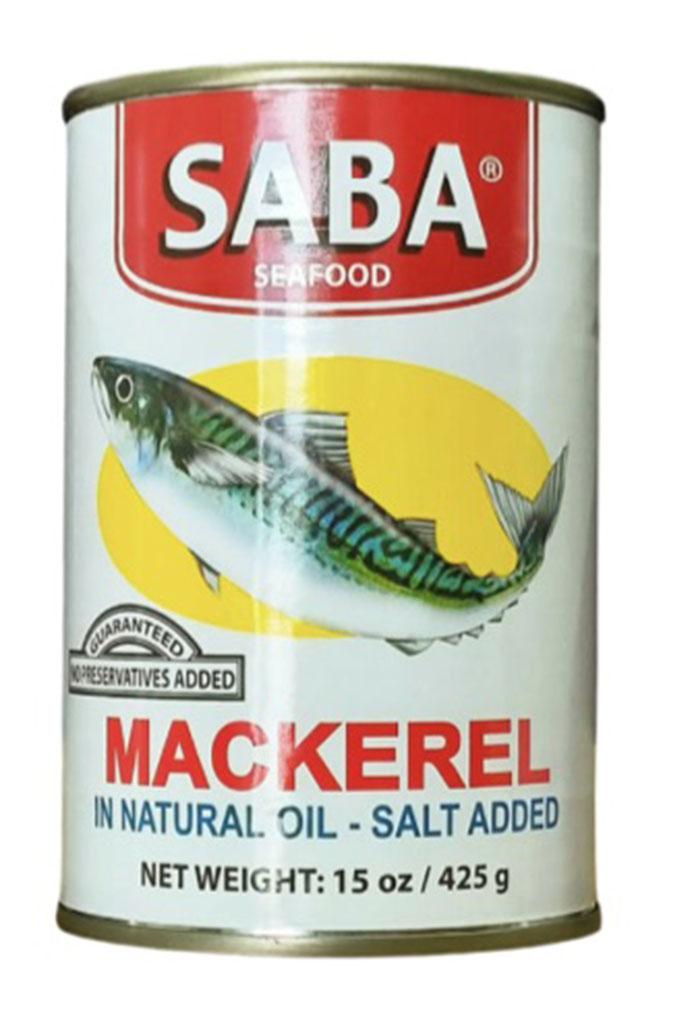
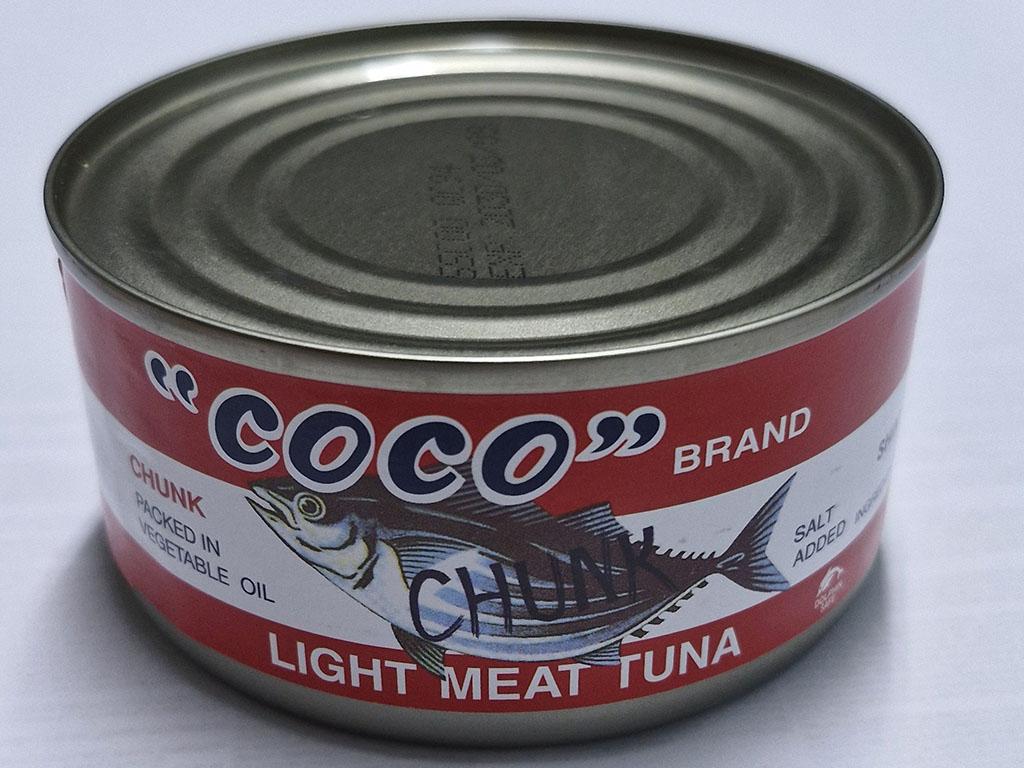
The real Coco brand tuna and SABA Mackerel cans. Coco brand canned tuna and SABA Mackerel, both market leaders, have been hit with counterfeit products purporting to be the originals. Both companies took out advertisements in the Marshall Islands Journal, the weekly newspaper published in Majuro, to call their customers’ attention to the counterfeit products.
Yayoi Yoshida, who represents the Kobe, Japan-based company Shinyo Koeki Co. Ltd., which manufactures Coco brand canned tuna, called the product that looks identical to the original Coco “fake.”
Yoshida discovered on a visit to Majuro in September that another unknown company is using the red Coco label for tuna that is being canned in China. Shinyo Koeki cans its tuna only in Thailand, which is reflected on the label.
Yoshida is calling the “Coco” tuna canned in PRC “fake” because it is not produced by Shinyo Koeki and is using the Coco label to cash in on Shinyo Koeki’s reputation for a high-quality product.
There are only two minor differences in the labelling, and they are not ones that most buyers of Coco tuna would notice.
The first is that the Shinyo Koeki Coco tuna — the “real” Coco tuna — states in small print that it is a “Product of Thailand.” The other version of Coco tuna says “Product of P.R.C.” In addition, Shinyo Koeki’s canneries stamp their expiration date on the top of the can, whereas the PRC-produced version stamps this on the bottom.
These are not the type of differences that ordinary customers would notice since the label is otherwise identical in both the authentic Shinyo Koeki Coco tuna and the pirated Coco tuna labeled made in the PRC. “Coco brand is a market leader,” Yoshida said. But, he added, there is no law in the Marshall Islands that makes this illegal.
Ironically, some small stores in Majuro carry the two varieties of Coco tuna side-by-side on their shelves: The PRC-made Coco tuna is about 40¢ less than the Thailand-produced Coco tuna.
Counterfeit products using identical labels and made in China are being distributed in the Majuro market.The popular SABA Mackerel is facing a similar problem. Like market-leading Coco tuna, SABA has become a target for counterfeit products being processed in China.
Because the fake mackerel product uses the exact same label as SABA, it is difficult for customers to know if they are getting the authorized product or the one masquerading as SABA.
Jay Chulani, Managing Director of Fortune Lucky Pty. Ltd., the official distributor of SABA products in the Marshall Islands, said the most important difference is that the real SABA canned products are canned in the Philippines, never in China. The counterfeit products that have made their way into the Majuro market look virtually identical to the real SABA Mackerel, but they state on the back that they are a “Product of China.” The real SABA states on the back: “Product of the Philippines.”
“It is manufactured and canned exclusively in the Philippines using larger mackerels imported from Japan,” Chulani said. “Chattrade Enterprises in the Philippines is the registered brand owner and manufacturer, with Fortune Lucky Pte. Ltd. acting as the authorized exporter/distributor for the Marshall Islands.”
Chulani said SABA Mackerel has been “a market leader and household brand in the Marshall Islands for more than two decades,” which makes it a target for counterfeit products. He noted that authentic cans feature batch codes, factory codes, and expiry dates printed on the bottom, whereas at least some of the fake products print the batch codes and expiry date on the top.
The easiest method for identifying the real versus the fake product is to look on the back to see if it says, “Product of the Philippines.” If yes, then it’s the real SABA Mackerel.
“Due to a limited catch over the past two years, export shortages have led to counterfeit products appearing in Majuro,” Chulani said. “Some counterfeit versions produced in China unlawfully print Chattrade Enterprises' official manufacturer details, violating consumer protection laws.” mbj
The Marshall Islands Office of Commerce, Investment, and Tourism launched the Marshall Islands Pocket Guide in partnership with the South Pacific Pocket Guide.
Leaders and officials converged here this week on the margins of the 55th Pacific Islands Forum Leaders Meeting, announcing a series of financial commitments aimed at bolstering the region’s fiscal stability, energy security and border security.
The Marshall Islands joined with National Guard leaders from Guam and the state of Nebraska in Majuro on Aug. 25 to sign the first State Partnership Program agreement, becoming one of a handful of countries globally to partner with two National Guard units.
MAJURO, Marshall Islands — The Marshall Islands government and Nauru Airlines signed an agreement in mid-July “to facilitate the commencement and development of regular passenger and freight air services between Majuro and Honolulu.”