Guam SNAP program faces work requirements, food restrictions, funding changes
BY SKYLER OBISPO
Journal Staff
New federal changes to the Supplemental Nutrition Assistance Program are expected to take effect going into 2026, adding new work requirements, bans on sugary foods, and increasing the local government’s share of program costs.
Director of Public Health and Social Services Therese C. Arriola said a new federal work requirement for SNAP benefits took effect Jan. 1 and affects about 7,000 able-bodied adults in Guam.
Speaking on Wave 105.1 FM with Melissa Savares, Arriola said recipients ages 18 to 64 must now complete at least 80 hours a month of work or volunteer service to continue receiving benefits.
Arriola said, “They need to volunteer or work and show proof that they’re doing their part.” She said recipients have three months to comply or submit a medical exemption before benefits end on April 1.
New federal work requirements for SNAP benefits took affect on Jan. 1. Photo by Skyler Obispo
The updated requirements stem from the One Big Beautiful Bill Act of 2025, which was enacted July 4.
In addition, a federal initiative allowing states and territories to restrict the purchase of certain items using SNAP benefits is underway. Eighteen states are pursuing waivers to prohibit the use of SNAP funds for soda, soft drinks, and candy. Indiana, Iowa, Nebraska, Utah, and West Virginia were the first five states approved to implement such restrictions.
Arriola said the initiative is “music to my ears,” citing Guam’s high rates of diabetes, obesity, and heart disease.
“We’re not saying you cannot buy sodas or candy,” she said. “We’re just saying you can’t buy it with SNAP dollars.”
DPHSS prepared a similar food restriction waiver for Guam several months before the federal government shutdown in October 2025.
The waiver is currently under review by the Office of the Governor, as the U.S. Department of Health and Human Services requires a letter of support from the local administration before reviewing the request. Arriola said the waiver is expected to be submitted to HHS before Jan. 31.
Arriola said the changes are intended to improve public health outcomes, though measurable effects may take three to five years to materialize.
Approximately 41,000 residents — about one-third of Guam’s population — currently receive SNAP benefits, Arriola said.
“People of Guam, we need to change the tide. We need to ensure that our loved ones stay longer with us, and the only way that we can do that is to ensure that people are [making] healthier choices of what they eat and what they drink,” she said.
The third change to the program is to how much the federal and local government funds SNAP benefits.
Starting Oct. 1, state and territorial governments will have to contribute 75% funding for SNAP benefits, a close to $5 million impact according to Arriola.
Currently the cost breakdown for SNAP is shared 50% between state and federal contributions.
“It’s going to be interesting,” she said, following the reduction of the Business Privilege Tax down to as much as 4% in the Government of Guam Fiscal Year 2026 budget bill.
Bureau of Budget and Management Research Director Lestor Carlson said in a June 2025 public hearing on the reduction of the BPT a 1% reduction would result in a loss of $81.9 million in collections based on figures in the Fiscal Year 2026 Executive Budget Request.
“We got to figure out where we’ll pay that more from,” Arriola said, adding that DPHSS plans to increase its fiscal 2027 executive budget request to cover the additional SNAP costs. mbj
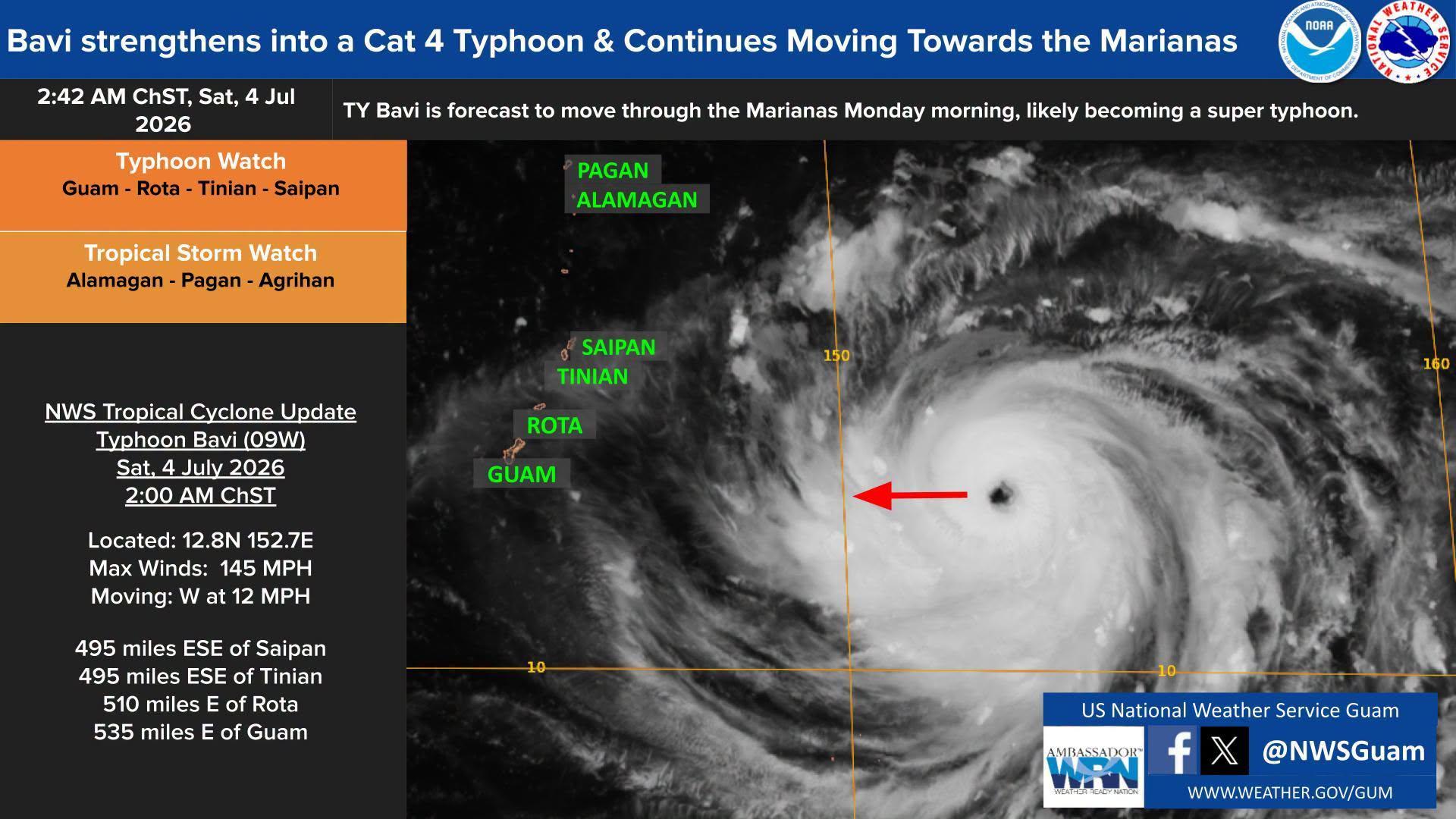
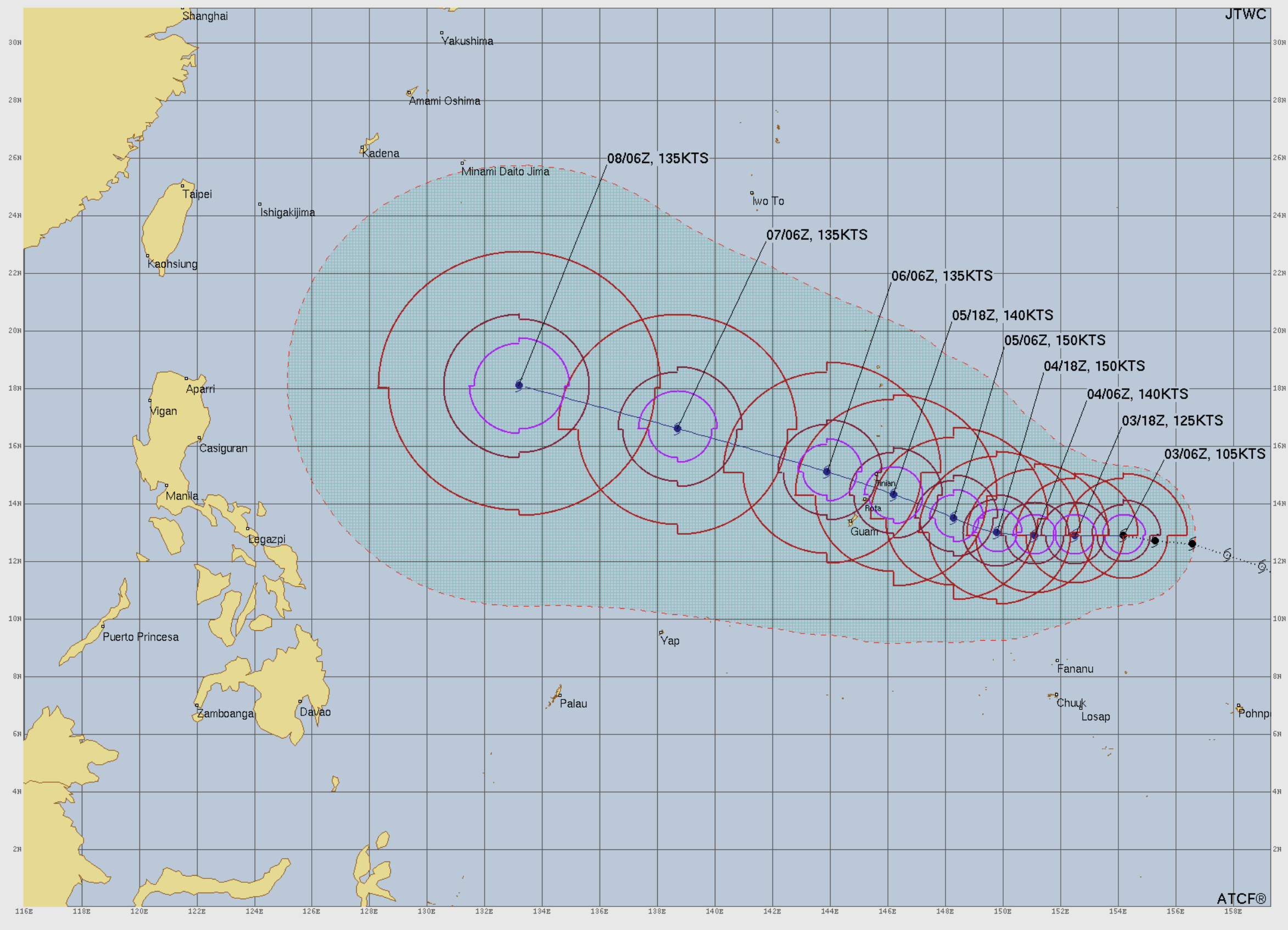
With Super Typhoon Bavi now packing maximum sustained winds of 160 mph and forecast to strengthen further as it moves toward the Marianas, emergency officials are urging businesses and residents to treat this weekend as their critical window to prepare for potentially damaging winds.
Guam and the Northern Mariana Islands are now in Condition of Readiness 3 as Typhoon Bavi approaches, with both governors urging residents and businesses to use the remaining hours of fair weather to prepare.
Task Force Talon relinquished command to the 3rd Battalion, 43rd Air Defense Artillery Regiment (3-43 ADA), ushering in a new battalion to take over Guam’s air missile defense systems.
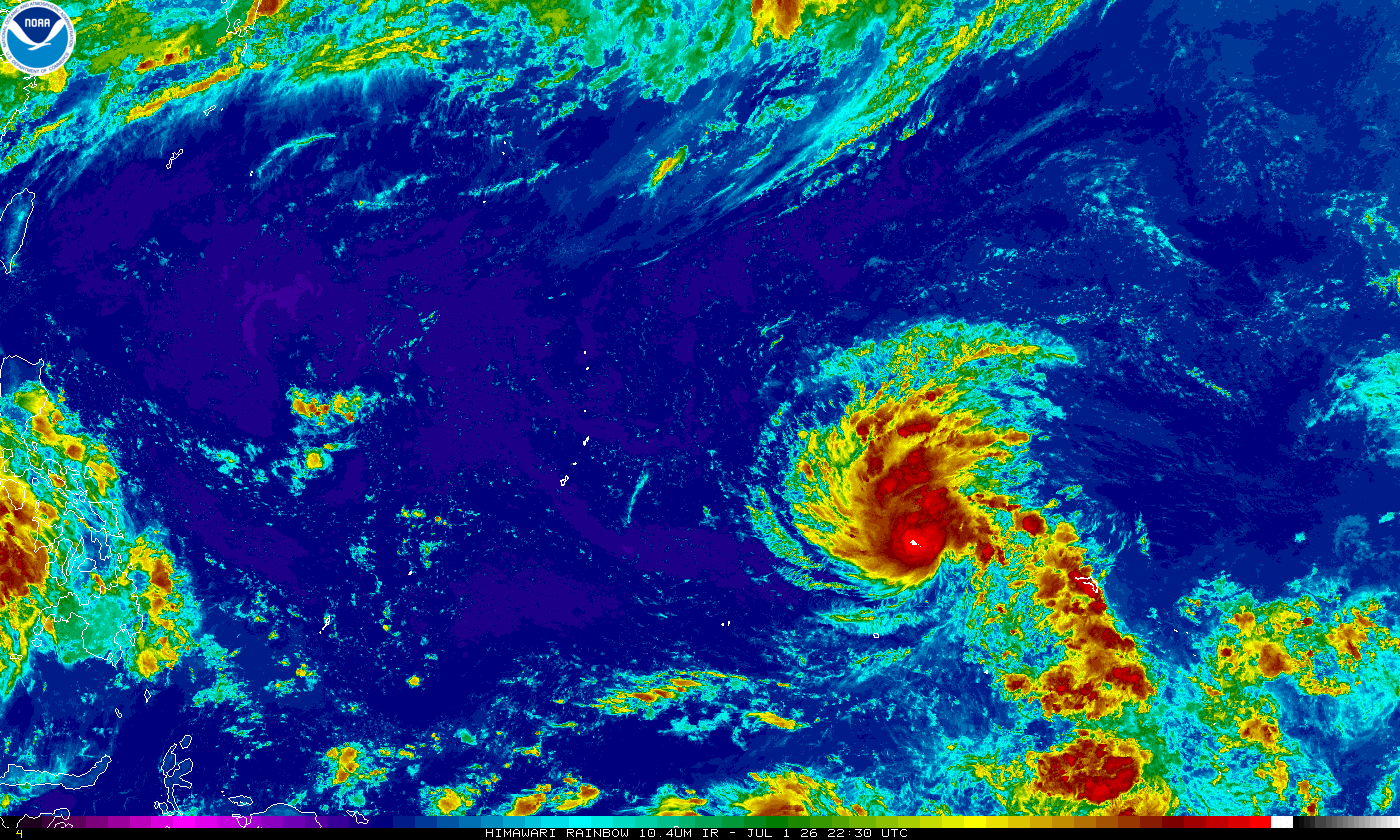
Emergency management agencies across the region are urging residents and businesses to execute disaster preparedness plans as Tropical Storm 09W is forecast to rapidly intensify and potentially strike Guam and the Northern Mariana Islands as a Category four super typhoon.