














The Supreme Court of Guam has denied claims by government employees who sought overtime compensation and/or double pay for work during the government shutdown during the COVID-19 public health emergency.
On Dec. 29, the Supreme Court released its decision which upheld the Superior Court’s decision in the case filed by Layla Story-Bernardo, Daniel Bernardo, Tommy Arceo, Betty Diaz, Faye Dora Cruz Sanchez, Nonito Santos, John Pinaula, Daniel Anciano, Raycia Marie San Nicolas Charfauros, and Roel Rama.
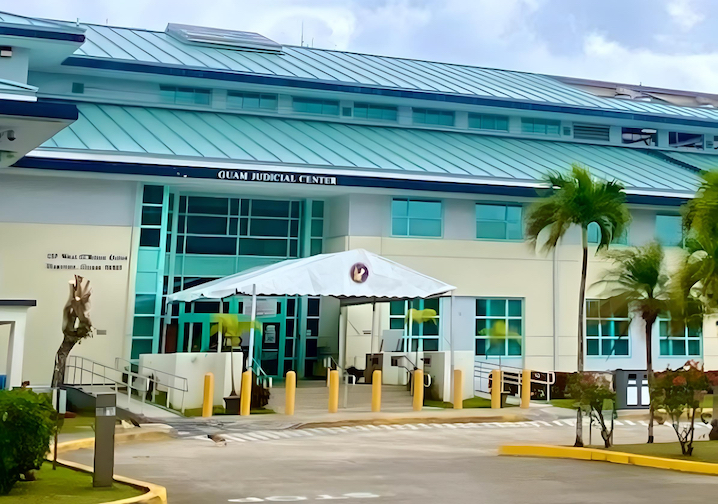
According to Journal files, the government had shut down non-essential services in March 2020 for several months when the first cases of COVID-19 appeared.
The federal government provided economic assistance to the government in the form of the Coronavirus Aid, Relief, and Economic Security, or “CARES”, Act. These funds were used to help pay government employees.
In October 2020, the appellants, who are government of Guam employees from the Guam Memorial Hospital Authority, the Department of Public Works, the Department of Education, the Department of Corrections, the Guam Solid Waste Authority, the Guam Fire Department, the Judiciary of Guam, the Guam Police Department, the Guam Behavioral Health and Wellness Center, and the Guam Customs and Quarantine Agency filed their original complaint as a class action suit in the Superior Court, according to court documents.
The original complaint named as defendants the government of Guam, the governor, the Department of Administration director, the Judiciary, and the administrative heads of the named agencies and branches as defendants.
The appellants contended that the government failed to follow DOA’s personnel rules and regulations and had denied what should have been double pay and overtime to employees who worked during the COVID-19 public health emergency, documents state.
Because the Judiciary was a named as a defendant, Judge Pro Tempore Kim-Tenorio heard the original case. Then, because claims against the Judiciary had been dismissed, the case was eventually transferred to Superior Court Judge Elyze Iriarte. The lawsuit was eventually dismissed by the Superior Court.
The appellants then filed an appeal with the Supreme Court, which denied each of appellants’ claims, holding that the appellants failed to exhaust administrative remedies and that, “as a matter of law, this failure was not excused on the grounds of futility.”
The court held that the Superior Court properly dismissed Appellants’ claims for double pay and declaratory judgment, and that estoppel was not a valid cause of action. Estoppel is a legal bar to alleging or denying a fact because of one's own previous actions or words to the contrary, according to Merriam-Webster.
Finally, the court held that the Coronavirus Aid, Relief, and Economic Security, or “CARES”, Act was a federal appropriation, outside the control of the Guam Legislature, and therefore the Proper Government Spending Act did not apply to Appellants’ claims. In short, the Supreme Court affirmed the judgment of the Superior Court. mbj
Guam Supreme Court rejects overtime pay claims for COVID-19 emergency
Guam Supreme Court rejects overtime pay claims for COVID-19 emergency
- Date Posted: Dec 29, 2023
- News: Guam
-
Share this News
Guam Supreme Court rejects overtime pay claims for COVID-19 emergency
Recommended Articles...
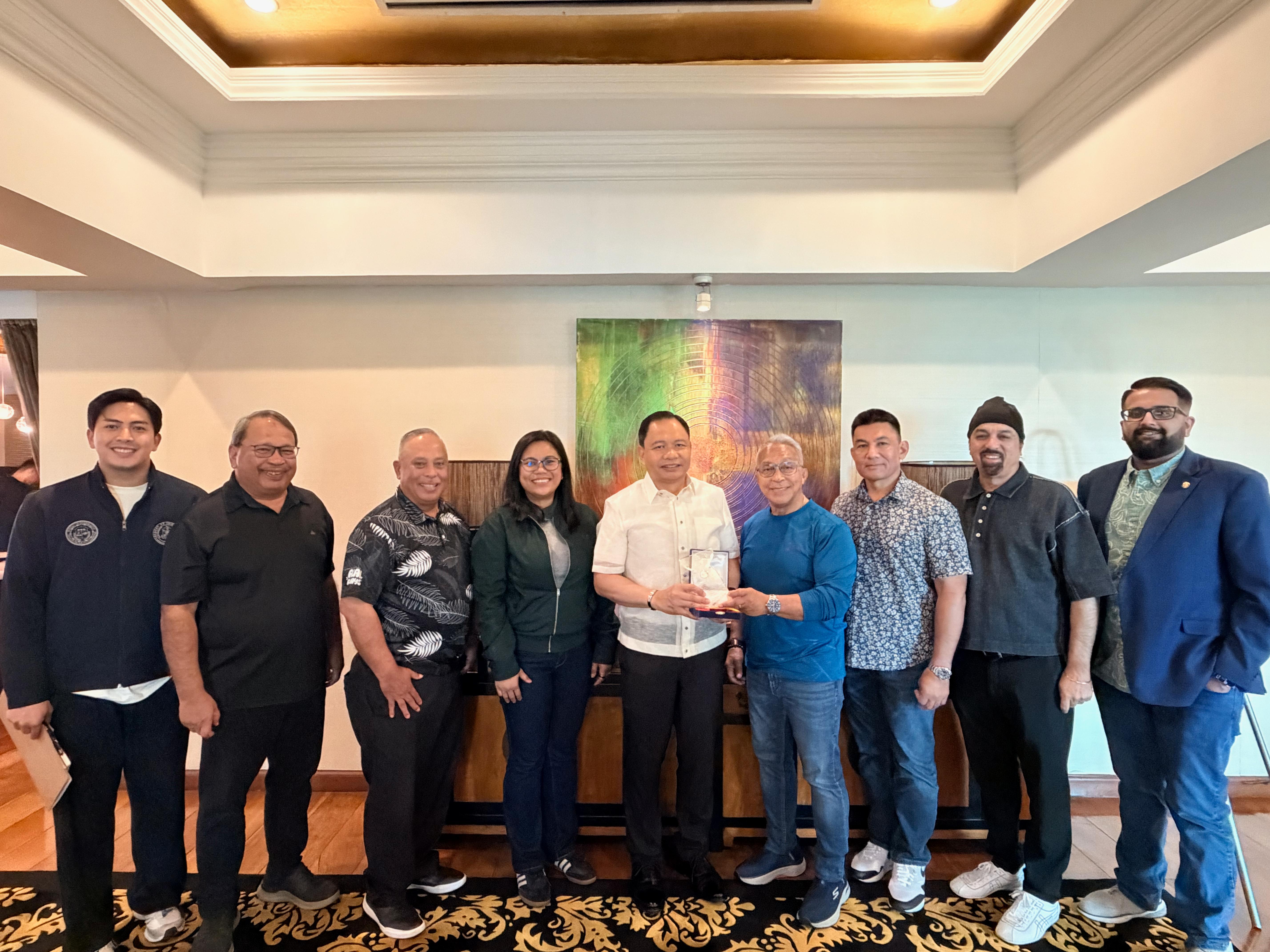
Guam and NMI officials advance visa waiver talks with Philippine immigration bureau
A Guam delegation led by Jesse A. Lujan, majority leader of the 38th Guam Legislature and chairman of the Committee on Transportation, Tourism, Customs, Utilities, and Federal & Foreign Affairs, met with Philippine immigration officials to advance efforts to include the Philippines in the Guam-CNMI Visa Waiver Program.
Read More 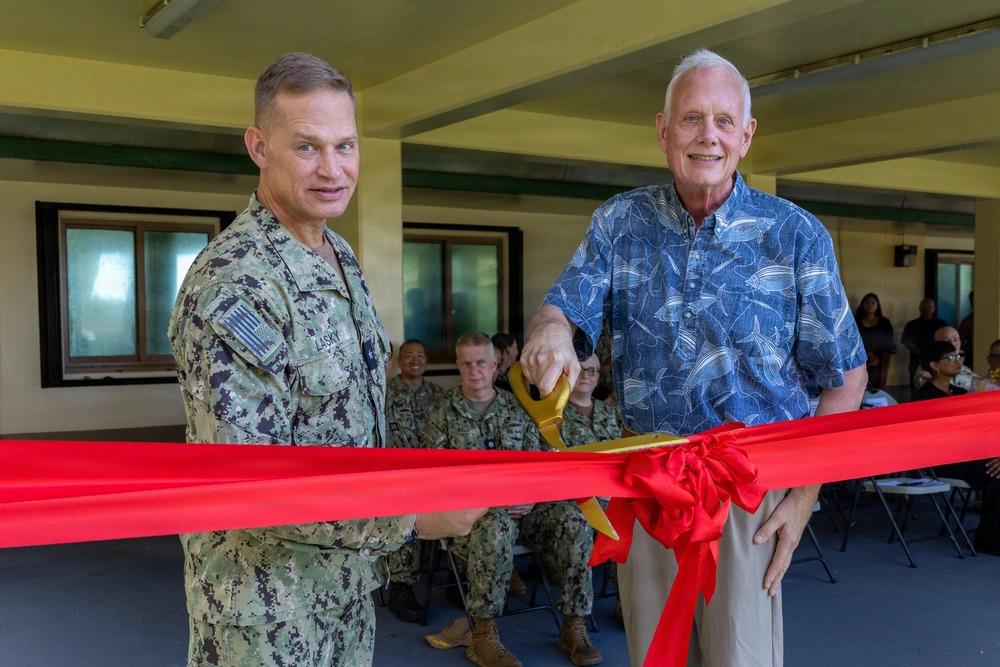
Pacific multi-domain training center opens on Naval Base Guam
A ribbon cutting was held for the Multi-Domain Training and Experimentation Capability Forward - Guam facility at Building 4175 on Naval Base Guam on June 22.
Read More 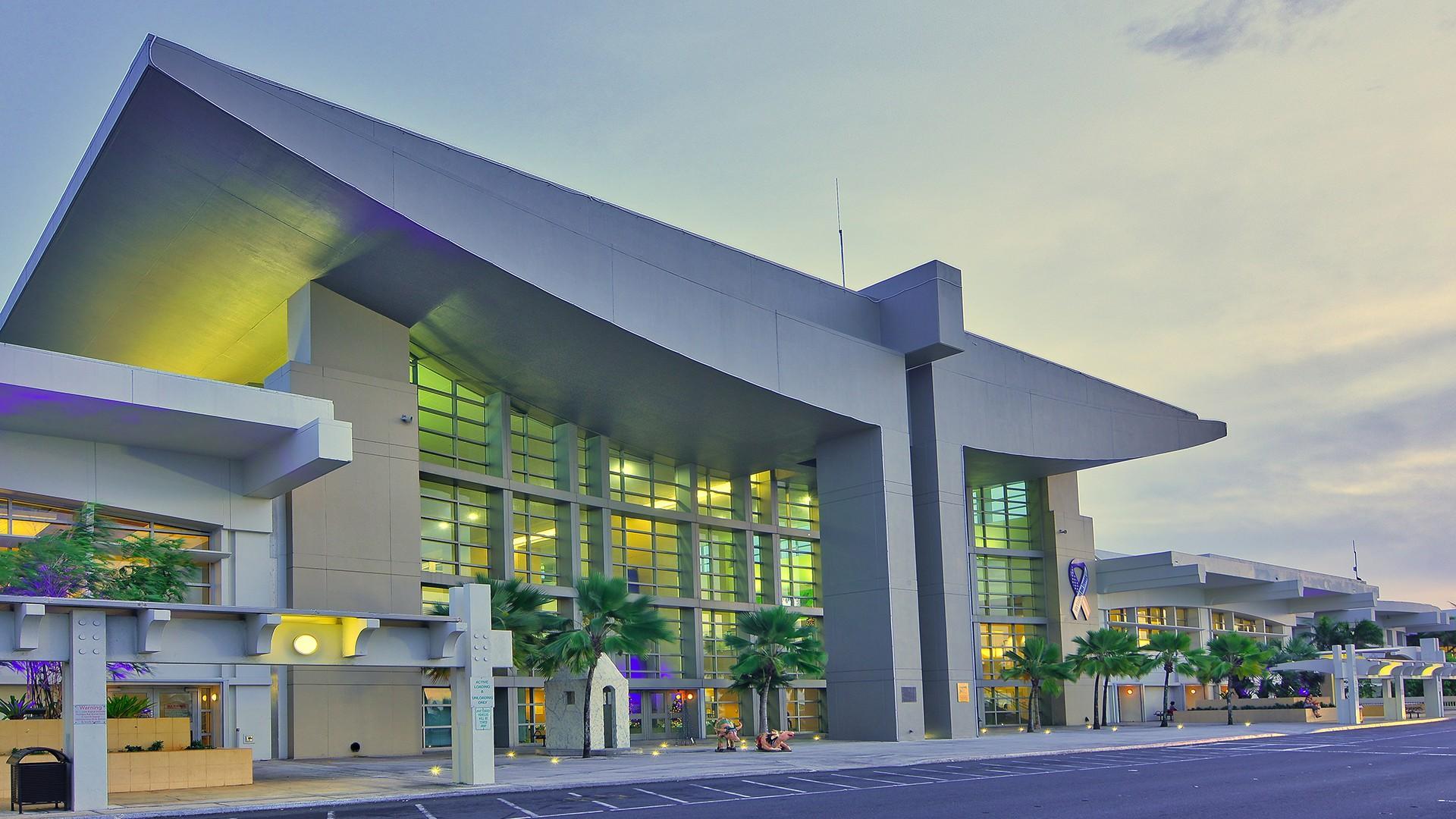
Guam airport revenues up $11 million amid audit findings as airlines plan July expansions
The Antonio B. Won Pat International Airport saw its revenues increase by $11 million for fiscal year 2025, according to a recent clean audit report, even as officials warn of near-term revenue strains.
Read More 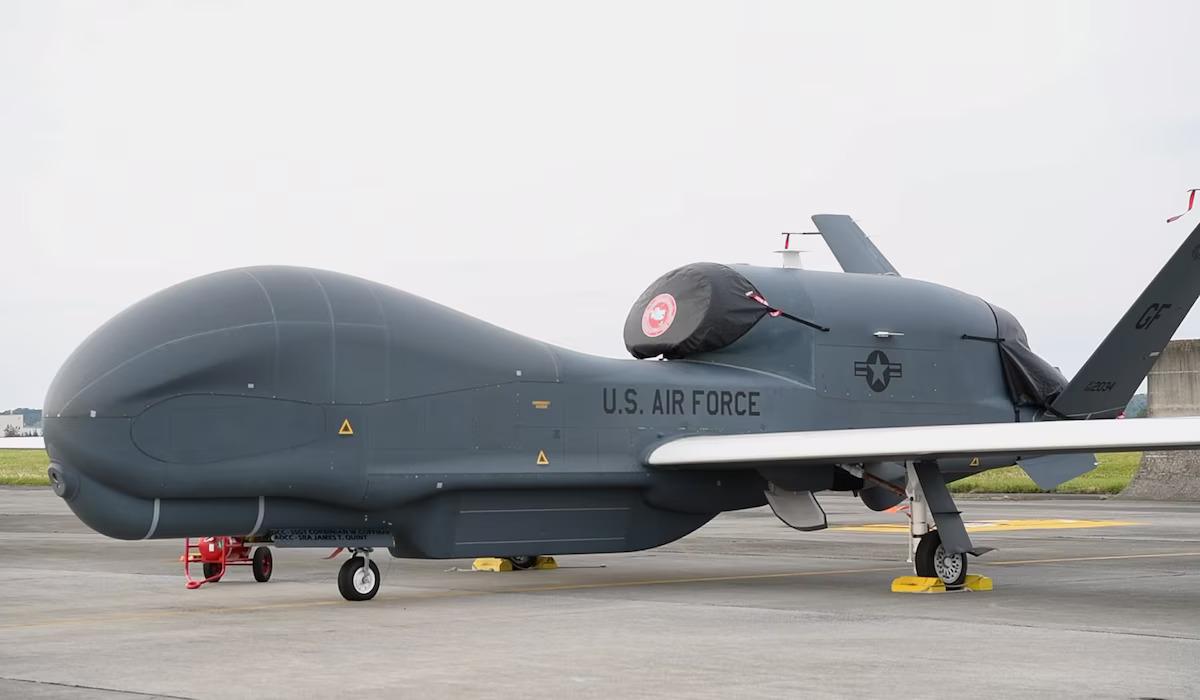
Department of War reverts to Pacific command name, Guam Air Force assets move to Japan
The U.S. Department of War announced June 17 CHamoru Standard time that the Indo-Pacific Command would now revert to its original name of Pacific Command.
Read More