Bill to offer tax incentives to businesses for storefront refreshes
BY SKYLER OBISPO
Journal Staff
A public hearing was held Jan. 12 on legislation that would establish a tax incentive program aimed at helping businesses revamp storefronts and improve Guam’s visual appeal.
Bill 228-38, introduced by Sen. Jesse A. Lujan, chairman of the Legislature’s tourism oversight committee, proposes the creation of the Enhancing Tourism Aesthetics Program. The measure is intended to stimulate private-sector investment in property improvements, particularly those tied to the island’s tourism industry.
According to the bill, the program would apply to lawfully operating businesses on Guam and would be administered by the Guam Economic Development Authority. Eligible businesses could apply for one or more of the following incentives:
Business Privilege Tax credit: a credit against the unpledged portion of the BPT owed;
Real Property Tax abatement: a 100% abatement for up to three years on the assessed value of improvements to the property; and
Use Tax exemption: a 100% exemption on materials, equipment, and fixtures for use in the approved improvement, if claimed within one year of completion.
The aggregate incentive value issued for any applicant shall not exceed 25% of the project cost or $250,000, whichever is less. Credits not fully utilized in the first tax year can be carried forward up to two subsequent tax years.
The program would also be subject to an overall cap of $5 million in incentives per fiscal year. Unused credits of up to $250,000 could be carried forward for one additional fiscal year.
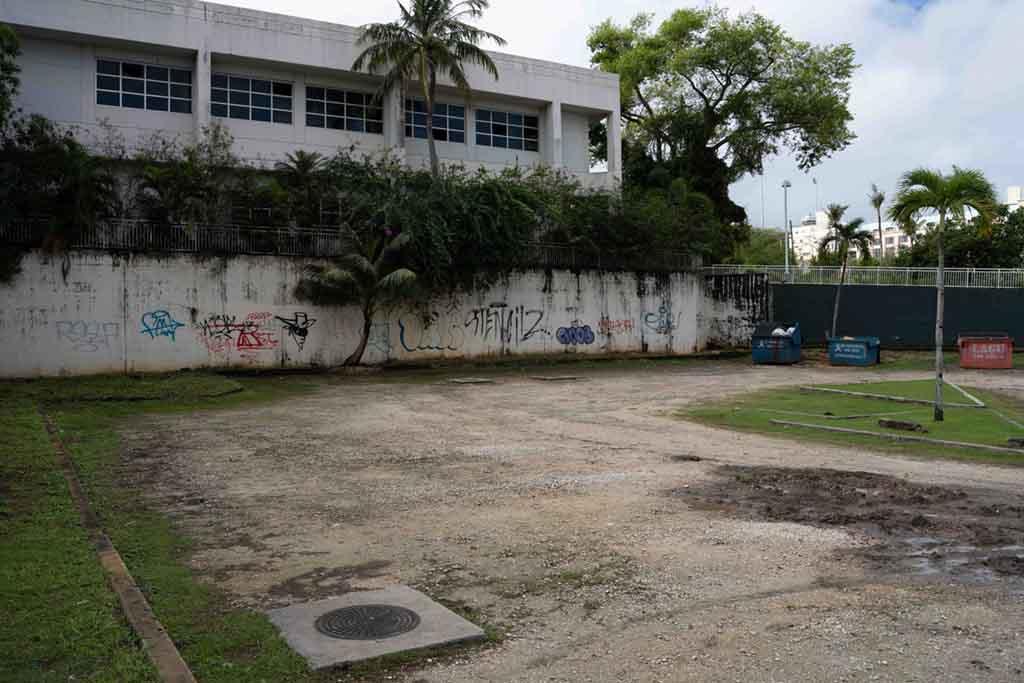
Walls near the Fountain Plaza are riddled with graffiti in 2024. Photo from Journal files
Under the bill, the program would sunset five years after enactment unless reauthorized by the Legislature.
Enforcement provisions would allow GEDA and the Department of Revenue and Taxation may recapture any incentives if improvements are incomplete, not maintained for three years or transferred without approval.
“The bill is intended to leverage private investment, support small businesses, and strengthen Guam’s tourism recovery,” Lujan said.
Leaders from Guam’s tourism industry and business community spoke out in support of Bill 228 at the Jan. 12 hearing.
GEDA board chairman David John said the program addresses what he described as “product fatigue,” noting that Guam must remain competitive with other regional destinations.
“However, ETAP cannot be a standalone law. It must be part of a broader, long-term commitment to taking tourism very seriously for our primary economic engine,” he said.
GEDA Administrator Christina Garcia also voiced support, calling the bill’s goals “laudable.” She said the program is designed to be capped, temporary, and performance-based to ensure accountability.
Mark Baldyga, founder and CEO of Baldyga Group and a co-author of the Guam Visitors Bureau’s tourism recovery plan, said destination development is one of four pillars outlined in the plan, which calls for both public- and private-sector engagement.
While other measures are being discussed to address issues such as graffiti and derelict buildings, Baldyga said incentives for private-sector upgrades play an important role in enhancing Guam’s tourism appeal. He added that workforce shortages, rising costs, and lower visitor arrivals have made it difficult for businesses to invest in improvements.
Baldyga also said insurance reimbursements following Typhoon Mawar have fallen short, leaving some businesses, including his own, short several million dollars in expected payments.
Guam Chamber of Commerce President Catherine Castro said an asset census of five of Guam’s most traveled corridors identified public and private spaces that need renovations.
During the hearing, Sen. Vincent A.V. Borja questioned whether the proposed incentives reward businesses for upkeep they should already be undertaking.
Baldyga responded, saying while maintenance is a responsibility, some businesses are struggling to survive.
“It’s not a question of desire,” he said. “It’s a question of ability.”mbj
— Wave 105.1 FM’s Pauly Suba contributed to this report
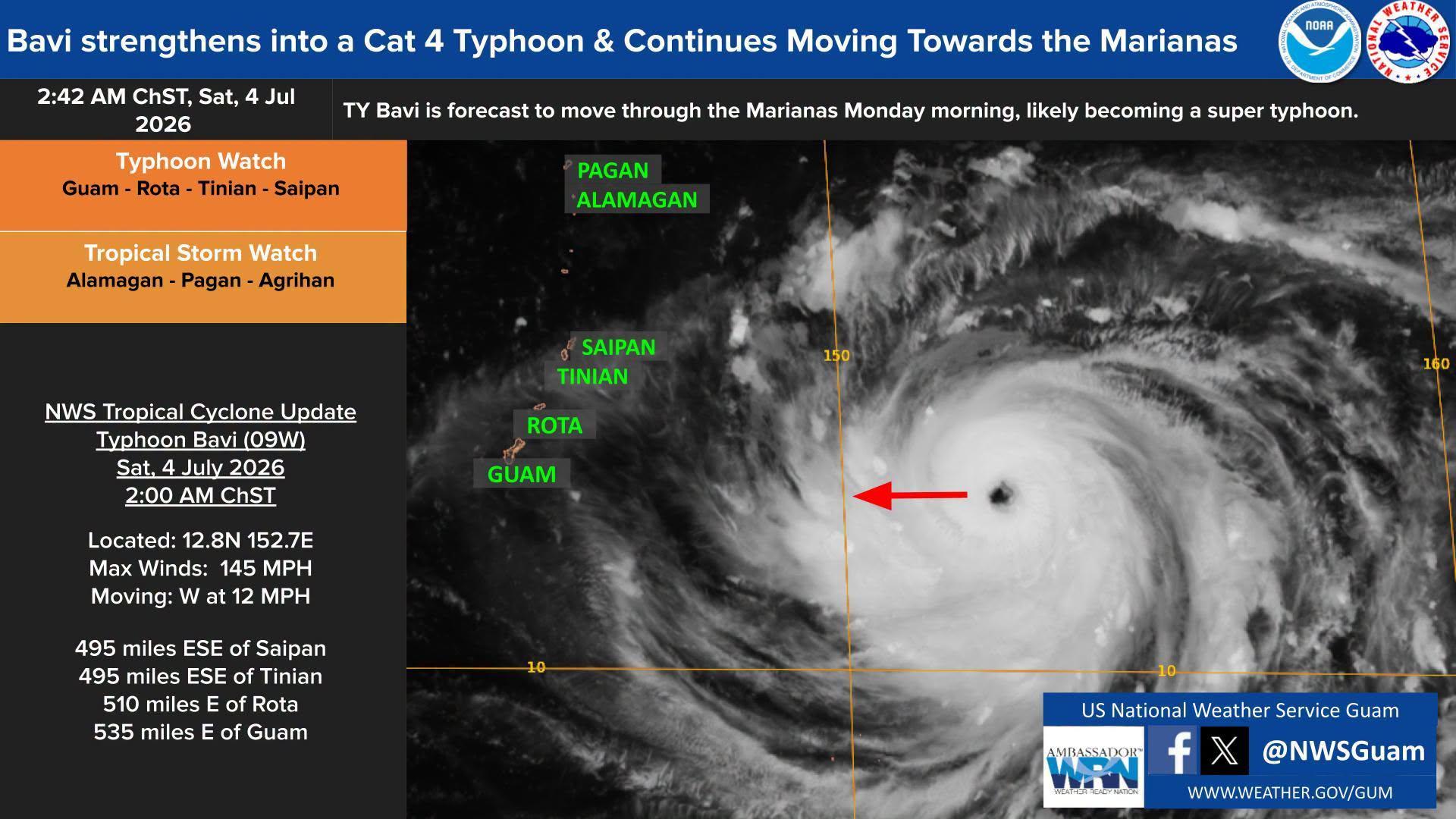
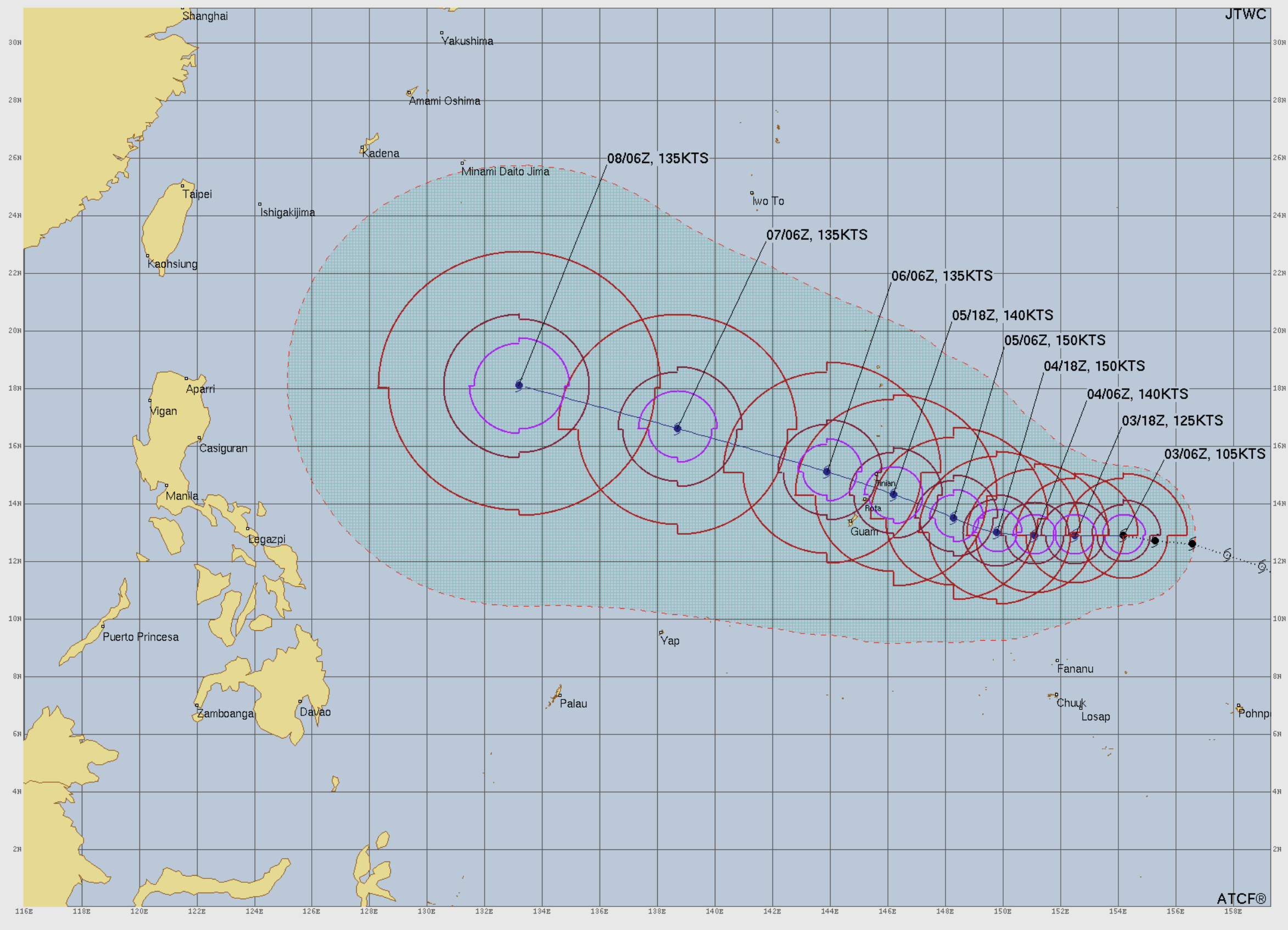
With Super Typhoon Bavi now packing maximum sustained winds of 160 mph and forecast to strengthen further as it moves toward the Marianas, emergency officials are urging businesses and residents to treat this weekend as their critical window to prepare for potentially damaging winds.
Guam and the Northern Mariana Islands are now in Condition of Readiness 3 as Typhoon Bavi approaches, with both governors urging residents and businesses to use the remaining hours of fair weather to prepare.
Task Force Talon relinquished command to the 3rd Battalion, 43rd Air Defense Artillery Regiment (3-43 ADA), ushering in a new battalion to take over Guam’s air missile defense systems.
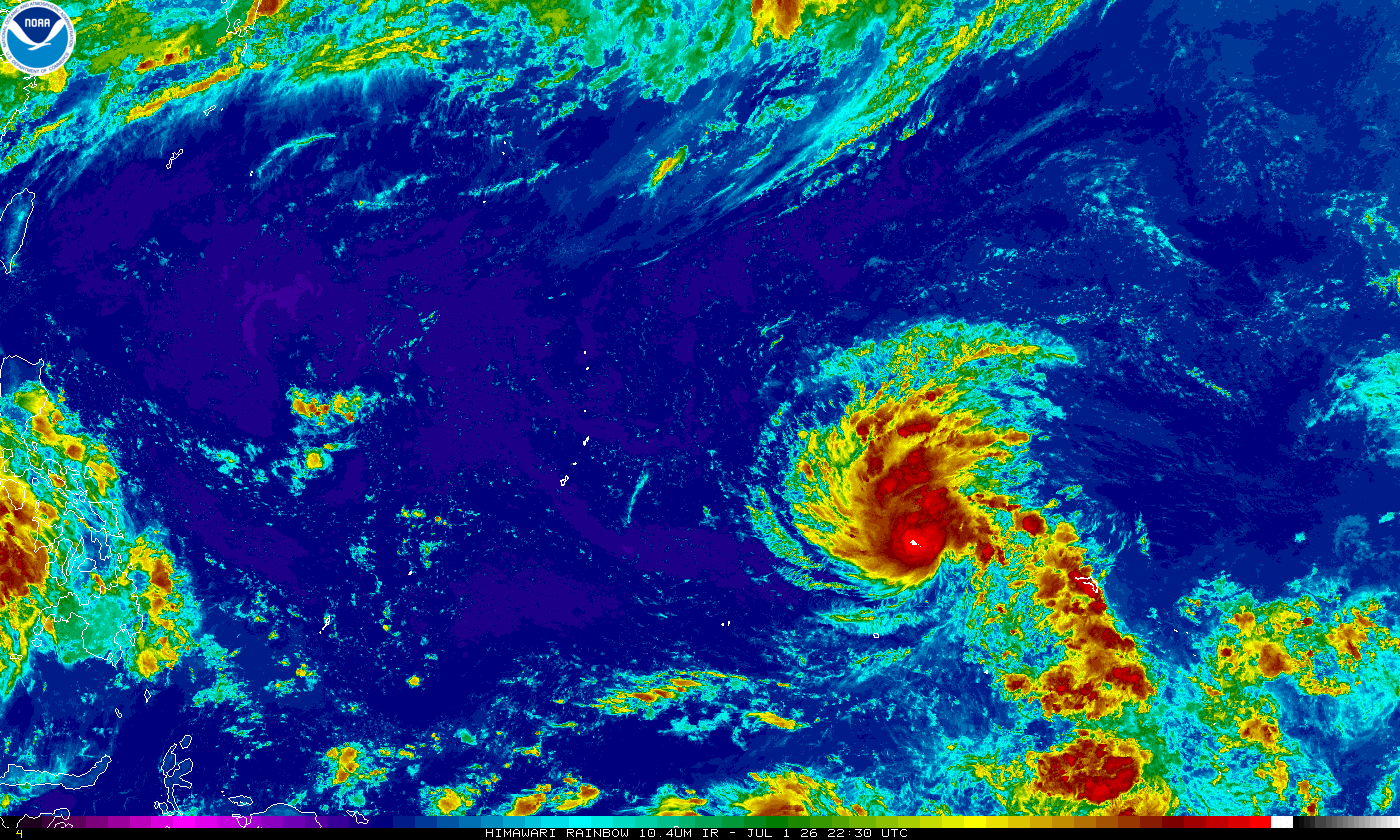
Emergency management agencies across the region are urging residents and businesses to execute disaster preparedness plans as Tropical Storm 09W is forecast to rapidly intensify and potentially strike Guam and the Northern Mariana Islands as a Category four super typhoon.