










BY MAUREEN N. MARATITA
Journal Staff
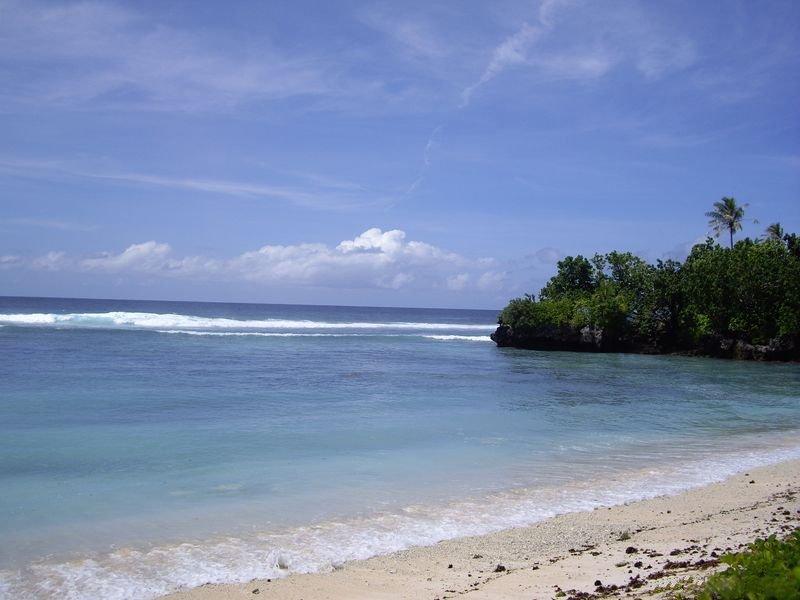 The Trump Administration is moving to fast-track offshore mining in the waters of the Mariana Islands. The move is detailed in a newly-release U.S. Department of the Interior document.
The plan references three lease sales for fiscal 2026 to 2027.
Greenpeace, which broke this news, said the move is “raising concerns about environmental harm, indigenous rights and potential violations of federal law.”
The document shows the “newly redesignated” Marine Minerals Administration plans to offer lease sales in American Samoa in August, the Northern Mariana Islands in November and the Alaska region in December.
Outreach to the areas themselves would only occur after the leases are awarded.
The Journal was the first to report on deep sea mining in the waters of the Mariana Islands and spurred the administrations of Gov. Lourdes A. Leon Guerrero and Gov. David M. Atapang into action. See Marianas Area for Deep Sea Mining Doubled by BOEM for background on deep sea mining in the Mariana Islands waters.
Similarly, the Trump Administration approved British Petroleum’s new ultra-deepwater oil drilling project in the Gulf of Mexico, according to the Center for Biological Diversity. The $5 billion project, named Kasida, is the first for BP since the company’s Deepwater Horizon Disaster 16 years ago, which remains the worst oil spill in history. According to the center, “Kasida will be at greater depths than Deepwater Horizon, in riskier waters. BP will drill for oil as far down as six miles below the sea floor, deeper than the height of Mount Everest.”
Gulf and environmental groups are suing the administration due to the potential endangerment of the health of Gulf residents, ecosystems and industries like fishing and tourism. According to the center the groups are suing because “legally required information is either missing or significantly flawed.” The BP proposal also underestimated the volume of a worst-case oil spill. The award exempted oil-and-gas exploration from compliance with certain requirements of the Endangered Species Act and foreshadows how awards for deep sea mining may be structured.
In related news, Ayuda Companies of Denver, Colo. was awarded a $35 million “firm-fixed-price, indefinite-delivery/indefinite-quantity contract for environmental compliance services,” according to an April 15 release from the U.S. Department of War.
The work “includes environmental services to ensure operations demonstrate and maintain compliance with all applicable federal, U.S. territory, and local environmental statutes and regulations,” according to the release. Work will be performed in Guam and is expected to be completed by April 2031. The contract was procured via the SAM.gov website with six offers received and was awarded by Naval Facilities Engineering Systems Command Marianas. mbj
Journal Staff
The Trump Administration is moving to fast-track offshore mining in the waters of the Mariana Islands. The move is detailed in a newly-release U.S. Department of the Interior document. The plan references three lease sales for fiscal 2026 to 2027.
Greenpeace, which broke this news, said the move is “raising concerns about environmental harm, indigenous rights and potential violations of federal law.”
The document shows the “newly redesignated” Marine Minerals Administration plans to offer lease sales in American Samoa in August, the Northern Mariana Islands in November and the Alaska region in December.
Outreach to the areas themselves would only occur after the leases are awarded.
The Journal was the first to report on deep sea mining in the waters of the Mariana Islands and spurred the administrations of Gov. Lourdes A. Leon Guerrero and Gov. David M. Atapang into action. See Marianas Area for Deep Sea Mining Doubled by BOEM for background on deep sea mining in the Mariana Islands waters.
Similarly, the Trump Administration approved British Petroleum’s new ultra-deepwater oil drilling project in the Gulf of Mexico, according to the Center for Biological Diversity. The $5 billion project, named Kasida, is the first for BP since the company’s Deepwater Horizon Disaster 16 years ago, which remains the worst oil spill in history. According to the center, “Kasida will be at greater depths than Deepwater Horizon, in riskier waters. BP will drill for oil as far down as six miles below the sea floor, deeper than the height of Mount Everest.”
Gulf and environmental groups are suing the administration due to the potential endangerment of the health of Gulf residents, ecosystems and industries like fishing and tourism. According to the center the groups are suing because “legally required information is either missing or significantly flawed.” The BP proposal also underestimated the volume of a worst-case oil spill. The award exempted oil-and-gas exploration from compliance with certain requirements of the Endangered Species Act and foreshadows how awards for deep sea mining may be structured.
In related news, Ayuda Companies of Denver, Colo. was awarded a $35 million “firm-fixed-price, indefinite-delivery/indefinite-quantity contract for environmental compliance services,” according to an April 15 release from the U.S. Department of War.
The work “includes environmental services to ensure operations demonstrate and maintain compliance with all applicable federal, U.S. territory, and local environmental statutes and regulations,” according to the release. Work will be performed in Guam and is expected to be completed by April 2031. The contract was procured via the SAM.gov website with six offers received and was awarded by Naval Facilities Engineering Systems Command Marianas. mbj