












The latest U.S. Government Accountability Office report of May 5 on the Freely Associated States focused on the fact that the three countries have not yet met certain oversight requirements established by the amended compacts, while U.S. oversight efforts are underway with some delays.
Most documents that the three countries are required to submit were not submitted on time, and some remain outstanding, the GAO said. Since fiscal 2019, the required single audit reports of all three countries have been late, the GAO said. FAS officials said they are taking steps to improve the timeliness of reports, by increasing financial accounting capacity. U.S. agencies have begun to implement oversight efforts.
The GAO recognized delayed U.S. appointments to these committees affected member ability to discuss all planned issues and the Interagency Group on the Freely Associated States submitted its fiscal 2024 report on its activities and recommendations for compact implementation to Congress 10 months late. The GAO said State Department officials told the GAO plans to establish and staff a unit to support FAS relations and compact implementation by March 2029 had been paused due to the federal government’s hiring freeze and operational constraints.
GAO recognized that the U.S. has provided economic assistance through compacts of free association to the FSM and the Marshalls since 1986 and to Palau since 1994. This assistance — including grants overseen by the U.S. Department of the Interior as well as programs and services provided by various U.S. agencies — is intended to promote the economic advancement and self-sufficiency of the FAS, the GAO said. The compacts also provide the U.S. with military access in these strategically located countries in the Pacific.
The three countries plan to use compact funding to prioritize education and health, an agreed priority with the U.S. Their allocations of compact grants for fiscal 2025 largely supported personnel salaries in the education and health sectors, the GAO said.
However, FAS officials told GAO that project implementation has encountered obstacles such as delayed compact funds disbursement, rising construction costs, and labor shortages.
The report discussed economic conditions in the Federated States of Micronesia, the Marshall Islands and Palau — including population loss and economic decline.
The report noted that FSM’s population decreased by 26% between the 2010 and 2023 censuses, and the Marshalls lost 20% of its population from 2011 to 2021. U.S. and FAS officials said high levels of out-migration have exacerbated skilled labor shortages and rising costs for government services. Though Palau’s population has remained relatively stable, a sharp drop in tourism during the COVID-19 pandemic drove a decline in its gross domestic product from 2019 through 2022.
According to Journal files, in 2023, the U.S. signed amended compacts with the FSM, the Marshalls and Palau, extending economic assistance for another 20 years. The compacts provide for grant assistance and trust fund contributions for the three countries that total more than $6 billion collectively through 2043. Palau received about $890 million in grants and trust fund contributions, the Marshalls $2.3 billion, and the FSM $3.3 billion.
The compact agreements were not ratified by Congress until 2024, which the GAO does not mention. Each of the three countries supplied comments to the GAO.
The FSM noted that the 2024 Amendments Act authorized the U.S. Department of Veterans Affairs to provide hospital care and medical services in the FAS to eligible veterans. The FSM further noted that in April 2025 “the Department of Veterans Affairs unexpectedly suspended the discussions.”
The FSM has “enhancement of post-secondary opportunities as one of its strategic goals for the amended compact’s term, 2023 through 2045. One of the projects was a newly constructed technical education facility at the College of Micronesia’s campus in Pohnpei. Palau said its priorities are to support healthcare and education. The Marshalls National Strategic Plan identified health care infrastructure and services to outer island residents as high priorities. Planned expenditures with grant funds include construction of schools in the outer islands, capital improvement repairs to the national hospital in Majuro, and dock repairs and additional public housing in Ebeye.
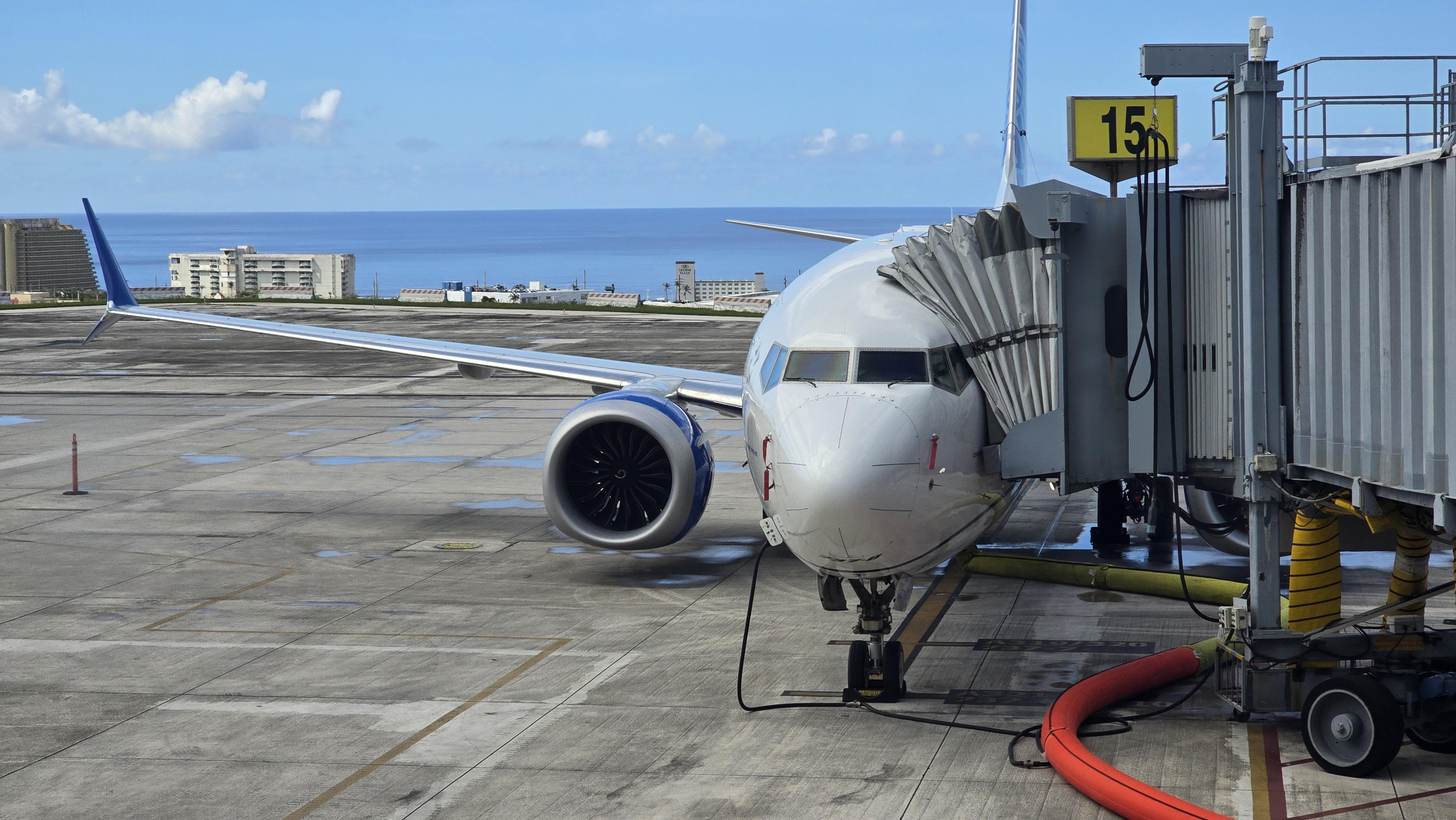
Under the Compact, the U.S. Postal Service has obligations to deliver mail to the three countries. According to Journal files, mail was previously carried by Asia Pacific Airlines, which had a contract with United Airlines to fly mail to the islands of those countries. But mail is now being sent by the U.S. Postal Service overland to Oakland, Calif. and then carried by sea by Matson Navigation Co., resulting in delays. Almost all mail and packages for the Northern Mariana Islands is are routed through the main USPS hub in Guam before reaching the NMI.
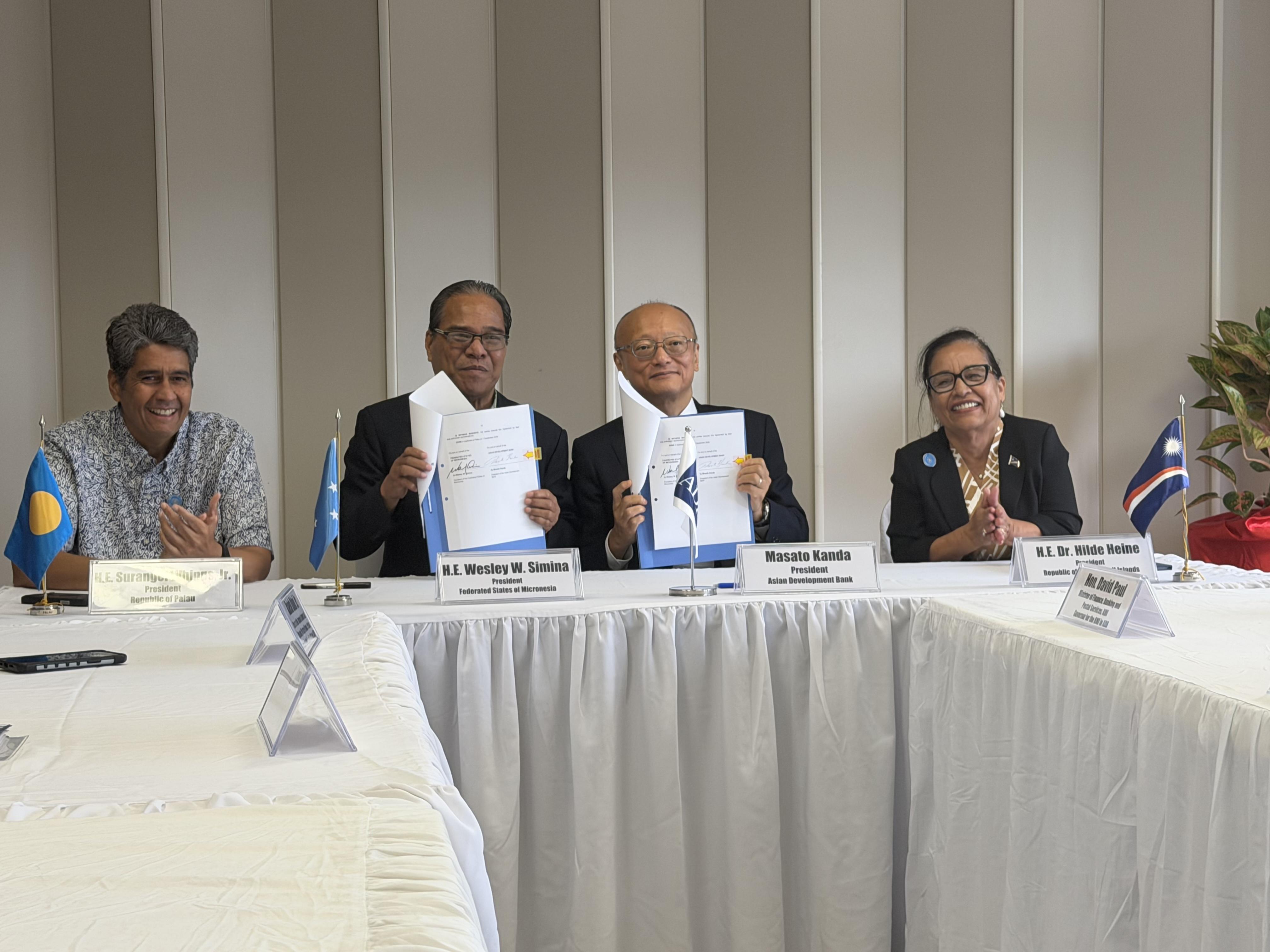
According to Journal files, FSM President Wesley W. Simina raised the issue of timely mail delivery with Deputy Secretary of State Christopher T. Landau in September last year. The meeting was also attended by Adm. Samuel J. Paparo Jr., commander of U.S. Indo-Pacific Command and senior U.S. officials.
The Compact of Free Association Amendments Act of 2024 included a provision for GAO to review U.S. assistance provided under the amended 2023 compacts. GAO also observed projects funded by compact assistance and interviewed FAS and U.S. government officials in the three countries in 2025.
The last Joint Committee Meeting with the Marshalls was held in Guam on April 21. The Marshalls delegation was led by the Minister of Foreign Affairs and Trade Kalani Kaneko and the U.S. was represented by Rear Adm. Joshua Lasky, commander of Joint Task Force-Micronesia who is the Indo-Pacific Command’s senior military official to the countries. The U.S. Charge d’affaires Gregory D’Alesandro also attended.
According to an April 24 release, “Representatives briefed the committee about ongoing efforts and opportunities to provide enhanced ship rider agreements, bolster maritime domain awareness and security, improve climate resilience, as well as initiatives that would help transport crucial supplies and medicine among remote islands of the RMI.” No mention was made of the matters the GAO raised.
The Guam National Guard was due to enter a State Partnership Program with the Marshall Islands (together with Nebraska) and sign an MOU to dovetail with the Joint Committee Meeting, but that was postponed.
The last Joint Committee meeting with Palau was in March and the last with the FSM was in April.
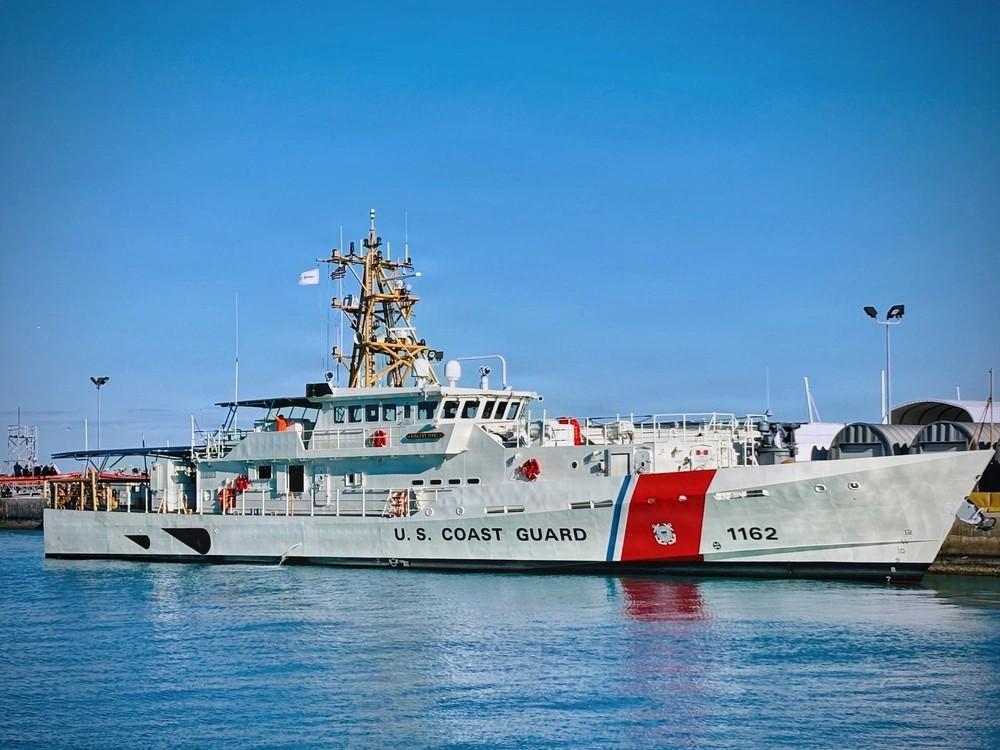
For Guam, the National Guard relationship is a progression from the inclusion of the Marshall Islands in direct relationships through Joint Task Force-Micronesia and the U.S. Coast Guard Forces Micronesia Sector Guam’s partnership and dovetails with U.S. geopolitical aims in the region.
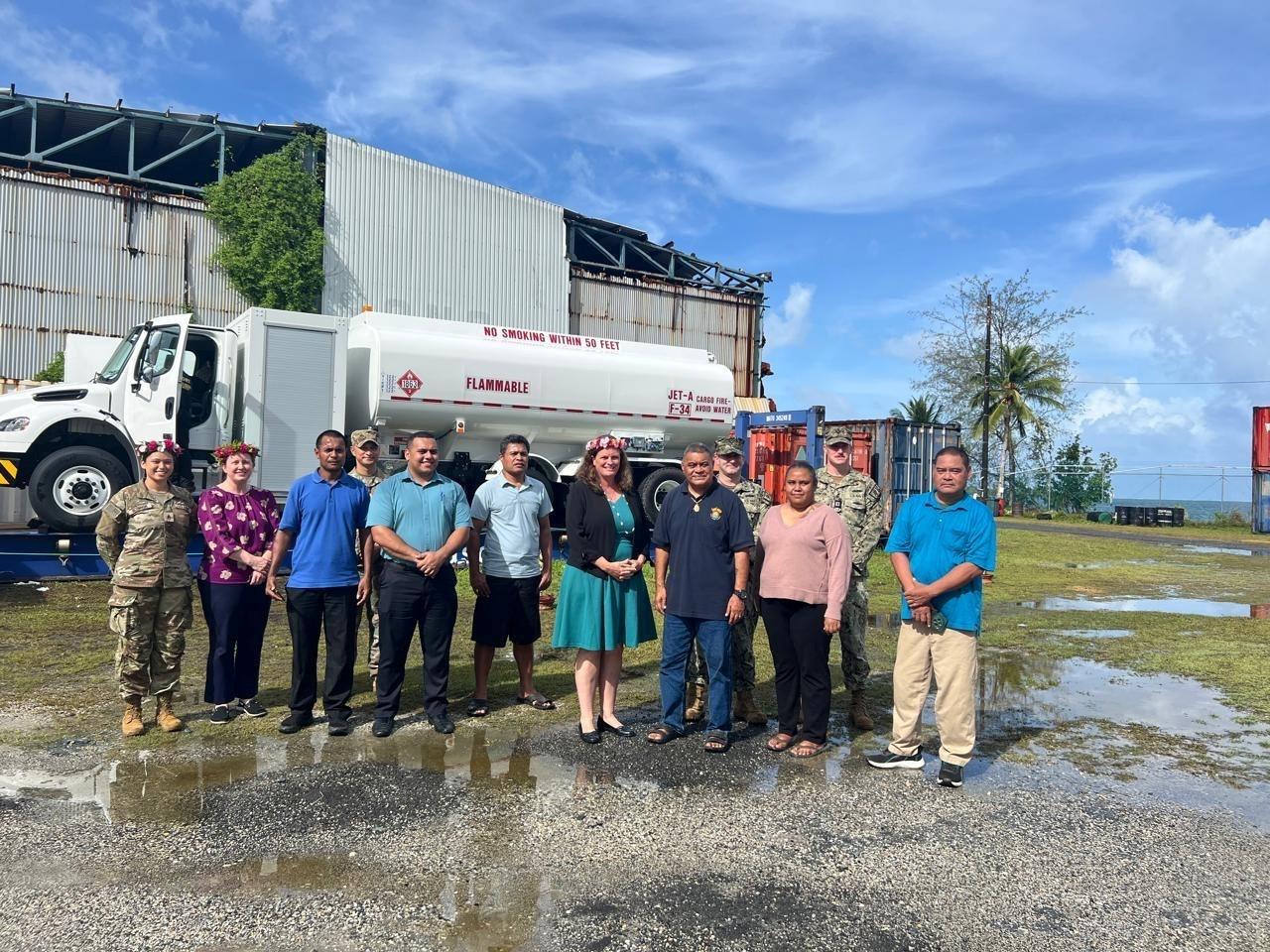
In related news, on April 28 a Handover Ceremony of the R-11 Refueler was held at the Yap Seaport, according to the Yap Department of Youth and Civic Affairs. The truck improves Yap International Airport’s refueling capabilities and boosts safety and efficiency. Along with the fuel truck, the U.S. provided Yap with various equipment, including floodlights, sustainment packs, cargo pallets, a weighing system, and other chains and devices.
Aside from Compact funding, the three countries variously get support for specific projects from other countries and regional organizations. These include the People’s Republic of China, Taiwan, Japan, Australia and the European Union. mbj
Most documents that the three countries are required to submit were not submitted on time, and some remain outstanding, the GAO said. Since fiscal 2019, the required single audit reports of all three countries have been late, the GAO said. FAS officials said they are taking steps to improve the timeliness of reports, by increasing financial accounting capacity. U.S. agencies have begun to implement oversight efforts.
The GAO recognized delayed U.S. appointments to these committees affected member ability to discuss all planned issues and the Interagency Group on the Freely Associated States submitted its fiscal 2024 report on its activities and recommendations for compact implementation to Congress 10 months late. The GAO said State Department officials told the GAO plans to establish and staff a unit to support FAS relations and compact implementation by March 2029 had been paused due to the federal government’s hiring freeze and operational constraints.
GAO recognized that the U.S. has provided economic assistance through compacts of free association to the FSM and the Marshalls since 1986 and to Palau since 1994. This assistance — including grants overseen by the U.S. Department of the Interior as well as programs and services provided by various U.S. agencies — is intended to promote the economic advancement and self-sufficiency of the FAS, the GAO said. The compacts also provide the U.S. with military access in these strategically located countries in the Pacific.
The three countries plan to use compact funding to prioritize education and health, an agreed priority with the U.S. Their allocations of compact grants for fiscal 2025 largely supported personnel salaries in the education and health sectors, the GAO said.
However, FAS officials told GAO that project implementation has encountered obstacles such as delayed compact funds disbursement, rising construction costs, and labor shortages.
The report discussed economic conditions in the Federated States of Micronesia, the Marshall Islands and Palau — including population loss and economic decline.
The report noted that FSM’s population decreased by 26% between the 2010 and 2023 censuses, and the Marshalls lost 20% of its population from 2011 to 2021. U.S. and FAS officials said high levels of out-migration have exacerbated skilled labor shortages and rising costs for government services. Though Palau’s population has remained relatively stable, a sharp drop in tourism during the COVID-19 pandemic drove a decline in its gross domestic product from 2019 through 2022.
According to Journal files, in 2023, the U.S. signed amended compacts with the FSM, the Marshalls and Palau, extending economic assistance for another 20 years. The compacts provide for grant assistance and trust fund contributions for the three countries that total more than $6 billion collectively through 2043. Palau received about $890 million in grants and trust fund contributions, the Marshalls $2.3 billion, and the FSM $3.3 billion.
The compact agreements were not ratified by Congress until 2024, which the GAO does not mention. Each of the three countries supplied comments to the GAO.
The FSM noted that the 2024 Amendments Act authorized the U.S. Department of Veterans Affairs to provide hospital care and medical services in the FAS to eligible veterans. The FSM further noted that in April 2025 “the Department of Veterans Affairs unexpectedly suspended the discussions.”
The FSM has “enhancement of post-secondary opportunities as one of its strategic goals for the amended compact’s term, 2023 through 2045. One of the projects was a newly constructed technical education facility at the College of Micronesia’s campus in Pohnpei. Palau said its priorities are to support healthcare and education. The Marshalls National Strategic Plan identified health care infrastructure and services to outer island residents as high priorities. Planned expenditures with grant funds include construction of schools in the outer islands, capital improvement repairs to the national hospital in Majuro, and dock repairs and additional public housing in Ebeye.
Under the Compact, the U.S. Postal Service has obligations to deliver mail to the three countries. According to Journal files, mail was previously carried by Asia Pacific Airlines, which had a contract with United Airlines to fly mail to the islands of those countries. But mail is now being sent by the U.S. Postal Service overland to Oakland, Calif. and then carried by sea by Matson Navigation Co., resulting in delays. Almost all mail and packages for the Northern Mariana Islands is are routed through the main USPS hub in Guam before reaching the NMI.
According to Journal files, FSM President Wesley W. Simina raised the issue of timely mail delivery with Deputy Secretary of State Christopher T. Landau in September last year. The meeting was also attended by Adm. Samuel J. Paparo Jr., commander of U.S. Indo-Pacific Command and senior U.S. officials.
The Compact of Free Association Amendments Act of 2024 included a provision for GAO to review U.S. assistance provided under the amended 2023 compacts. GAO also observed projects funded by compact assistance and interviewed FAS and U.S. government officials in the three countries in 2025.
The last Joint Committee Meeting with the Marshalls was held in Guam on April 21. The Marshalls delegation was led by the Minister of Foreign Affairs and Trade Kalani Kaneko and the U.S. was represented by Rear Adm. Joshua Lasky, commander of Joint Task Force-Micronesia who is the Indo-Pacific Command’s senior military official to the countries. The U.S. Charge d’affaires Gregory D’Alesandro also attended.
According to an April 24 release, “Representatives briefed the committee about ongoing efforts and opportunities to provide enhanced ship rider agreements, bolster maritime domain awareness and security, improve climate resilience, as well as initiatives that would help transport crucial supplies and medicine among remote islands of the RMI.” No mention was made of the matters the GAO raised.
The Guam National Guard was due to enter a State Partnership Program with the Marshall Islands (together with Nebraska) and sign an MOU to dovetail with the Joint Committee Meeting, but that was postponed.
The last Joint Committee meeting with Palau was in March and the last with the FSM was in April.
For Guam, the National Guard relationship is a progression from the inclusion of the Marshall Islands in direct relationships through Joint Task Force-Micronesia and the U.S. Coast Guard Forces Micronesia Sector Guam’s partnership and dovetails with U.S. geopolitical aims in the region.
In related news, on April 28 a Handover Ceremony of the R-11 Refueler was held at the Yap Seaport, according to the Yap Department of Youth and Civic Affairs. The truck improves Yap International Airport’s refueling capabilities and boosts safety and efficiency. Along with the fuel truck, the U.S. provided Yap with various equipment, including floodlights, sustainment packs, cargo pallets, a weighing system, and other chains and devices.
Aside from Compact funding, the three countries variously get support for specific projects from other countries and regional organizations. These include the People’s Republic of China, Taiwan, Japan, Australia and the European Union. mbj