Red Cross Micronesia chapter conducts World First Aid Day 2025
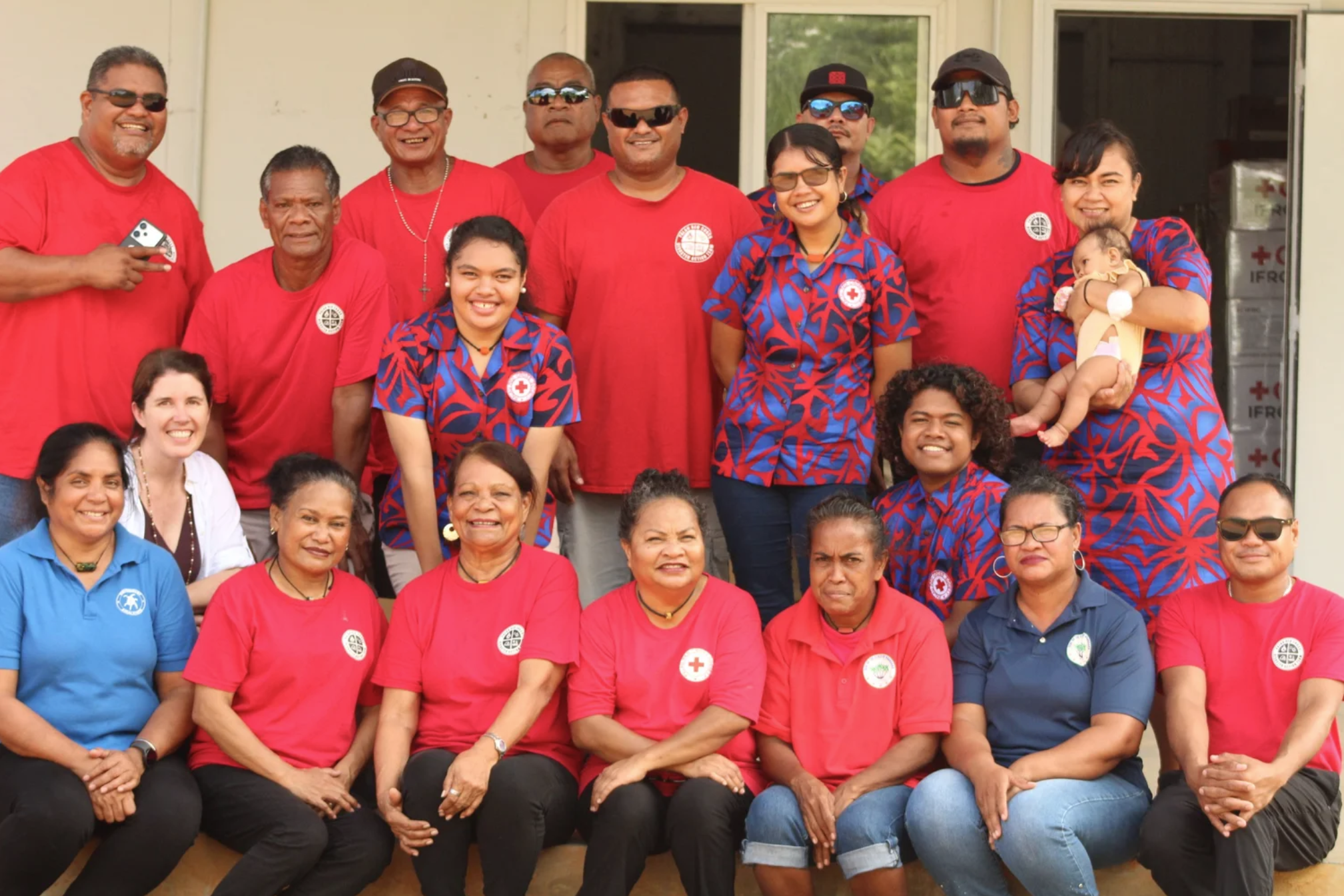
The Red Cross has active groups in the island chains.
The Micronesia Red Cross Society, which has headquarters in Pohnpei, was founded in 1998.
It successfully conducted World First Aid Day 2025 on Sept. 13, beginning in Kosrae and concluding in Pohnpei, with a series of awareness and educational activities.
The society has a board of directors and an executive director, with fund-raising strategies in the Federated States of Micronesia that include collection boxes at major hotels and restaurants, a membership drive, fund-raising dinners and direct appeals to local and international companies based in Micronesia and individuals who have lived there.
The Micronesia Red Cross Society's drought response efforts in early 2024 included water awareness campaigns and community support initiatives, alongside its ongoing volunteer training and disaster preparedness activities.
As many of the citizens of FSM are enlisted in the U.S. military, in 1999 the society began coordinating with the American Red Cross to forward information to enlisted soldiers about illness of their family members and to help them return to the islands, if necessary, in the event of family death and serious illness.
The Palau Red Cross Society was formed in 1997.
The Palau Red Cross chapter is headquartered in Koror, Palau. Photo courtesy Palau Red Cross
It strengthens disaster preparedness and response across the nation’s 16 states, ensuring training of local volunteers and readiness of resources. It has a governing board, an executive director and a youth board member. It also publishes an annual report.
The Palau Red Cross supports the National Emergency Management Office and partners with government agencies, international organizations, and community organizations.
The Marshall Islands Red Cross Society was established in 2013.
It offers First Aid and CPR training for the public, with the goal that at least one person per household is certified in First Aid and CPR, recruits blood donors and provides services to the U.S. Armed Forces, as well as fundraising.
It supports the Marshall Islands government through its Disaster Risk Reduction Program, and training neighboring island communities in Emergency Response Training. The Marshall Islands Red Cross has a board, and a secretary general.
The Palau Red Cross, the Micronesia Red Cross and the Marshall Islands Red Cross are members of the International Committee of the Red Cross and the International Federation of Red Cross and Red Crescent Societies.
The Guam Chapter of the American Red Cross was established in October 1916, and the NMI Chapter in 1978. The two chapters both have boards of directors. In Guam the Chapter has a CEO and in Saipan an executive director.
Both chapters are part of the American Red Cross Pacific Islands Region, as are Hawaii and American Samoa.
The two chapters in the Mariana Islands have raised funds through signature events and donations. Aside from ongoing disaster assistance and training, both chapters support the U.S. military and its veterans, and have led initiatives to distribute smoke alarms in their islands. mbj
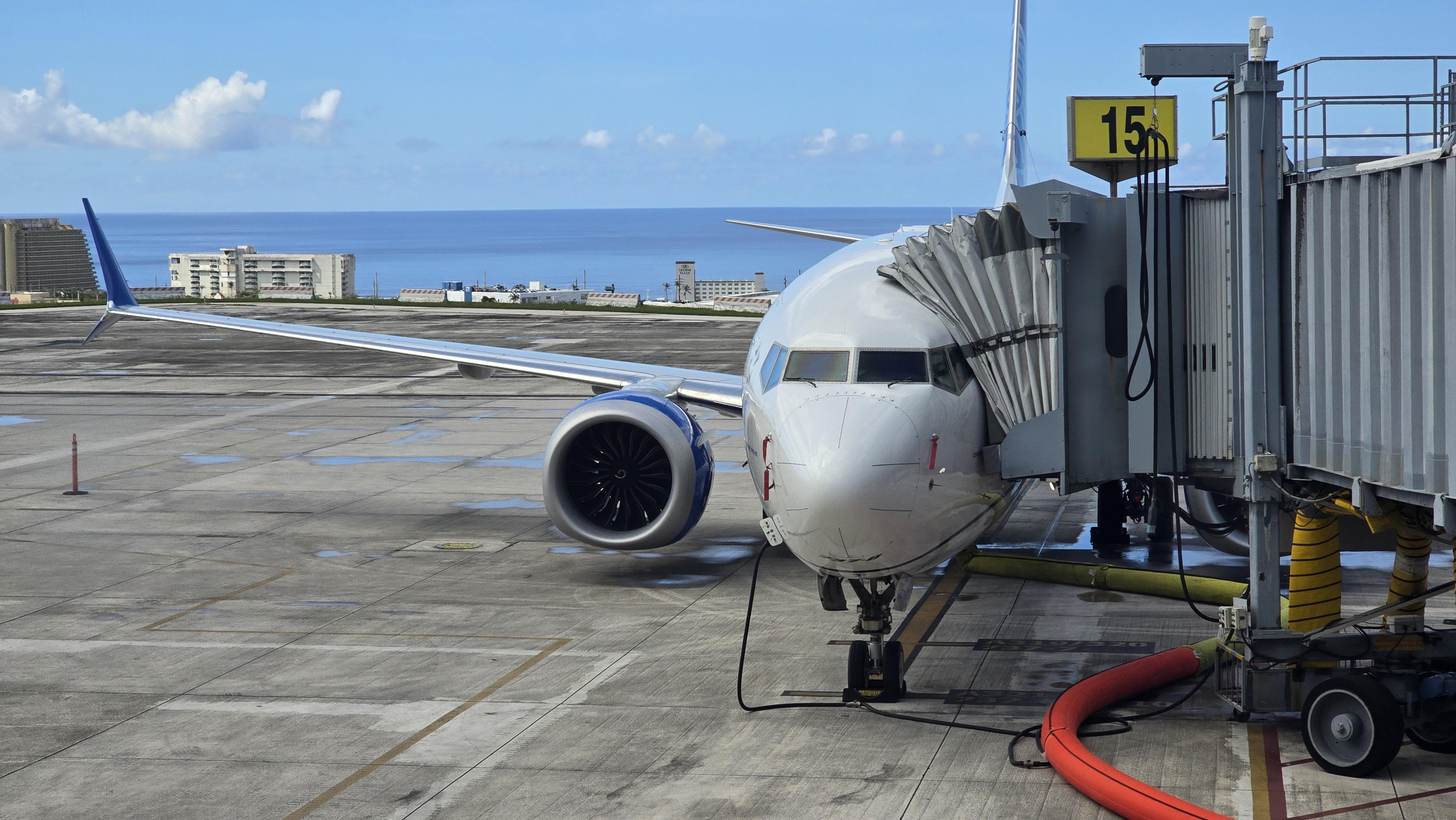
If there was an overarching message from David Kinzelman, chief customer officer and senior vice president for airport operations, during his visit, it was that the region is not only important to the airline, but that its customers receive the same attention as anywhere else in the United network.
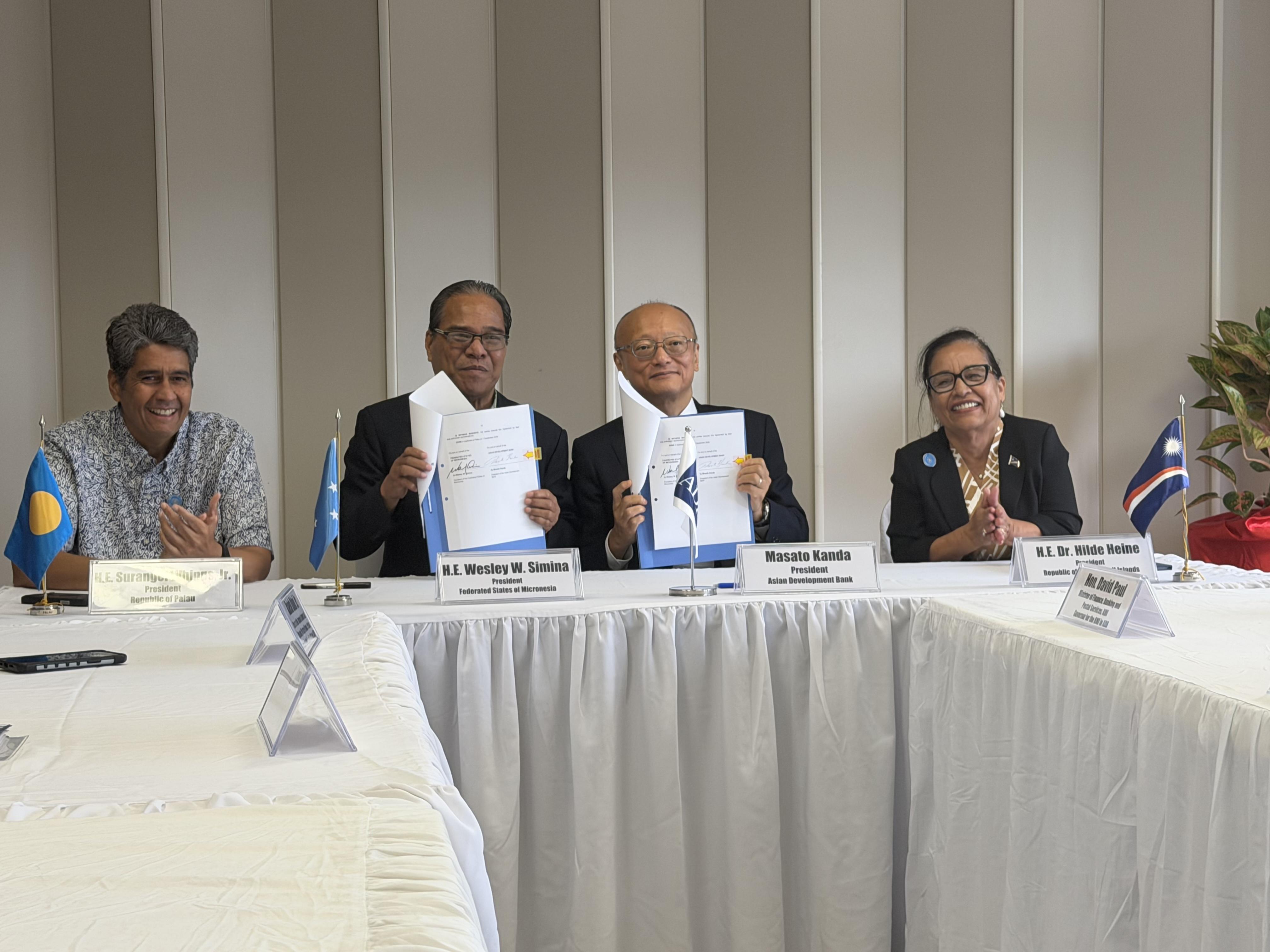
Leaders and officials converged here this week on the margins of the 55th Pacific Islands Forum Leaders Meeting, announcing a series of financial commitments aimed at bolstering the region’s fiscal stability, energy security and border security.