Risky business: Military construction has ups and downs
BY OYAOL NGRIAIRIKL and MAUREEN N. MARATITA
Journal Staff
While military construction is a lucrative field, unforeseen circumstances can cause painful delays and additional complications.
At the Guam Post of the Society of American Military Engineers Guam Industry Forum on July 29 and 30 at the Dusit Guam Resort, the message during multiple presentations was simple: while economies of scale and efficiencies are sought for example through bundling, projects should facilitate speedy readiness for any geopolitical situation that threatens the islands. Collaboration between local leadership, the contracting community and the military was noted many times as essential.
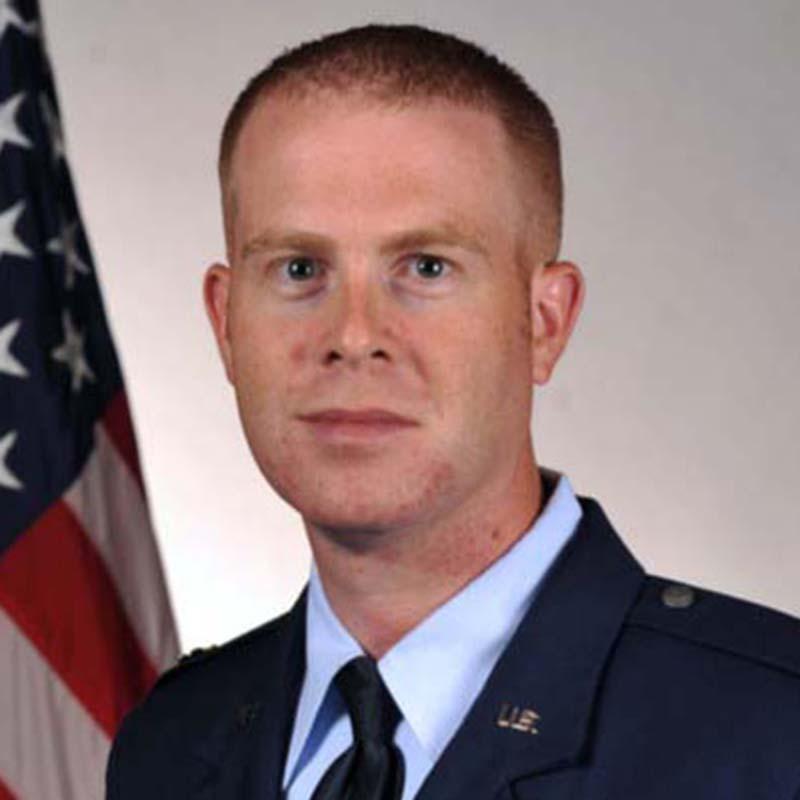
BouffardLt. Col. Robert B. Bouffard, command civil engineer at the Pacific Air Forces headquarters in Hawaii, said, “We just have to get ahead of the threat out here with the timeline.”
Military construction and planning through the years have hardened some facilities throughout Guam and now brings a wider range of U.S. defense options for the island.
For the other islands in the Northern Mariana Islands, Palau, and the Federated States of Micronesia, their importance grew as geopolitical tensions in Asia made their strategic location valuable for military divert airfields and more.
The benefits for the Northern Mariana Islands and the three freely associated states are a welcome improvement of their infrastructure alongside the Pacific Deterrence Initiative, which also now encompasses Australia and other countries in the Indo-Pacific region.
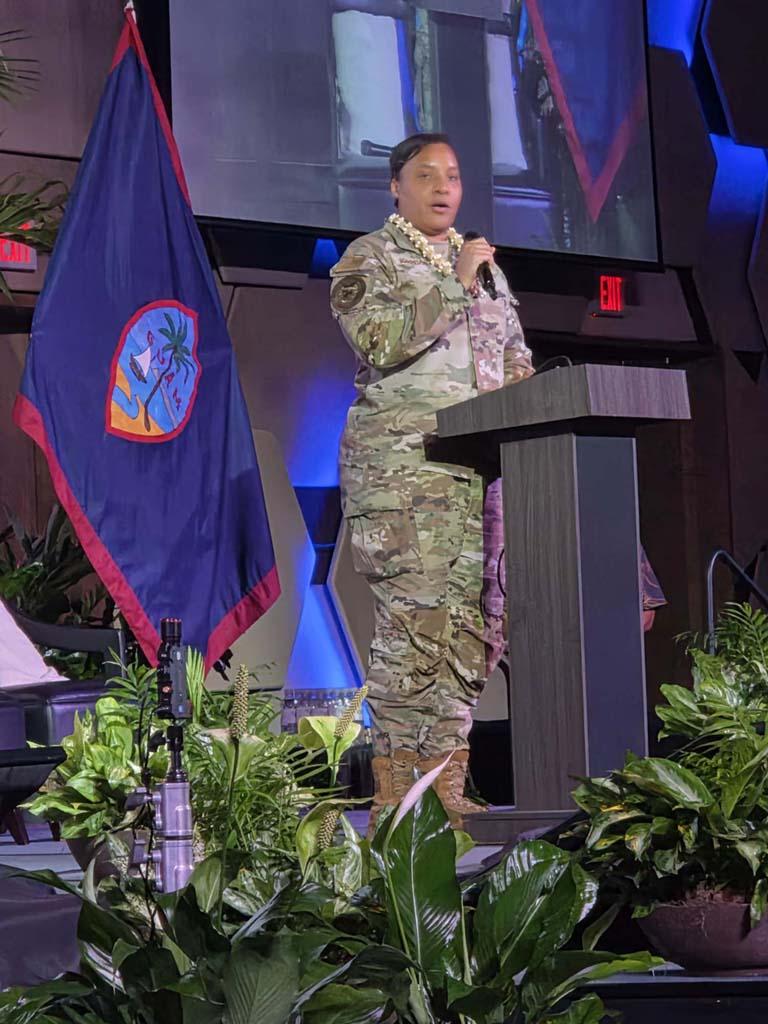
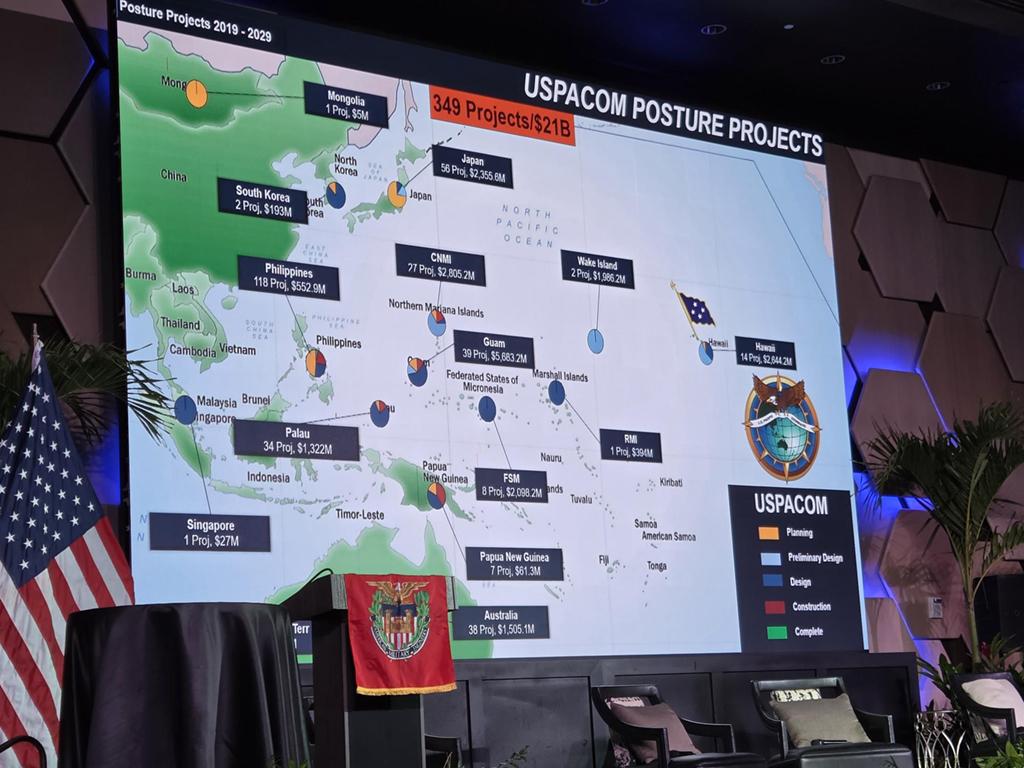
Col. Alexis R. Johnson, chief of posture management and infrastructure at IndoPacom, said that the U.S. was spending $21 billion in the region on 349 “posture projects.”
Palau accounted for 34 projects at $1.322 million of that funding.
“The Pacific remains the decisive theater,” she said. “We have to make sure the posture projects are in place.” Posture is creating the right capability in the right place at the right time, she said.Col. Alex R. Johnson on stage on Day 2 of the SAME Guam Industry Forum. Photos by Maureen N. Maratita
Johnson also said, “The cultural diversity means every logistic operation and every action requires close coordination with allies, partners and local authorities.”
In Palau, for instance, several infrastructure projects tied to the buildup are moving forward on different timelines.
TACMOR, a Tactical Mobile Over-the-Horizon Radar system planned for Choll in Ngaraard State, is part of a broader U.S.–Palau effort to strengthen air and maritime domain awareness across the archipelago. TACMOR facilities in Angaur have already been completed, while the Ngaraard installation is moving forward under a revised environmental impact statement that details potential effects on marine life, wetlands and cultural sites, as well as proposed mitigation measures. Construction in Ngaraard is currently projected to be completed around late 2027, although the timeline remains subject to ongoing environmental reviews and legal challenges at the state level.
Meanwhile, local and U.S. military officials are preparing for an Aug. 5 townhall on the Malakal Port and Harbor Improvements Project. With a price tag of more than $700 million, this project has been described as one of the largest infrastructure investments in Palau’s history.
Upgrading Palau’s port infrastructure, particularly the Malakal Port and Harbor Improvements Project, is framed by officials as delivering both economic and strategic gains for the country. President Surangel S. Whipps Jr., during his June 22 State of the Republic Address, said this multi-generational project is of vast importance to the nation because most of Palau’s imports pass through the 80 year old Malakal Port, which has not had a major overhaul since it was first built and is now showing significant structural deterioration, with several areas of the wharf surface falling apart. Against that backdrop, the project is intended to modernize the facility by extending and reinforcing the wharf, dredging to accommodate larger vessels and adding container storage space and modern stormwater systems to protect Malakal Harbor.
Pacific Command Posture projects in the region total $2.1 billion.
Like the Peleliu South Dock project, the upgraded Malakal facility is being designed as dual use infrastructure that will serve both everyday local commerce and travel and future military logistics once completed. Officials say the goal is to ensure that major infrastructure investments deliver direct benefits to Palau’s economy and communities — through cheaper goods, more reliable trade routes and expanded business and employment opportunities — while at the same time strengthening Palau’s security partnerships and regional stability.
The project, which has been under design for the past two years, aims to expand the current footprint of Malakal Port by extending the northeast face of the wharf by about 181 feet to add roughly 112,000 square feet of additional container storage and operational space, while repairing, strengthening and rehabilitating aging wharf areas, replacing a severely corroded building, improving lighting for night operations and installing a modern stormwater system to prevent runoff into Malakal Harbor. The port, originally built in 1944 by the Japanese government and now Palau’s main entry point for goods and materials, requires extensive repairs after decades of heavy loading, and officials say the upgrades will bring facilities up to modern standards, allow larger vessels to berth and off-load goods and enhance both Palau’s commercial capacity and U.S. military logistical support under the Compact of Free Association.
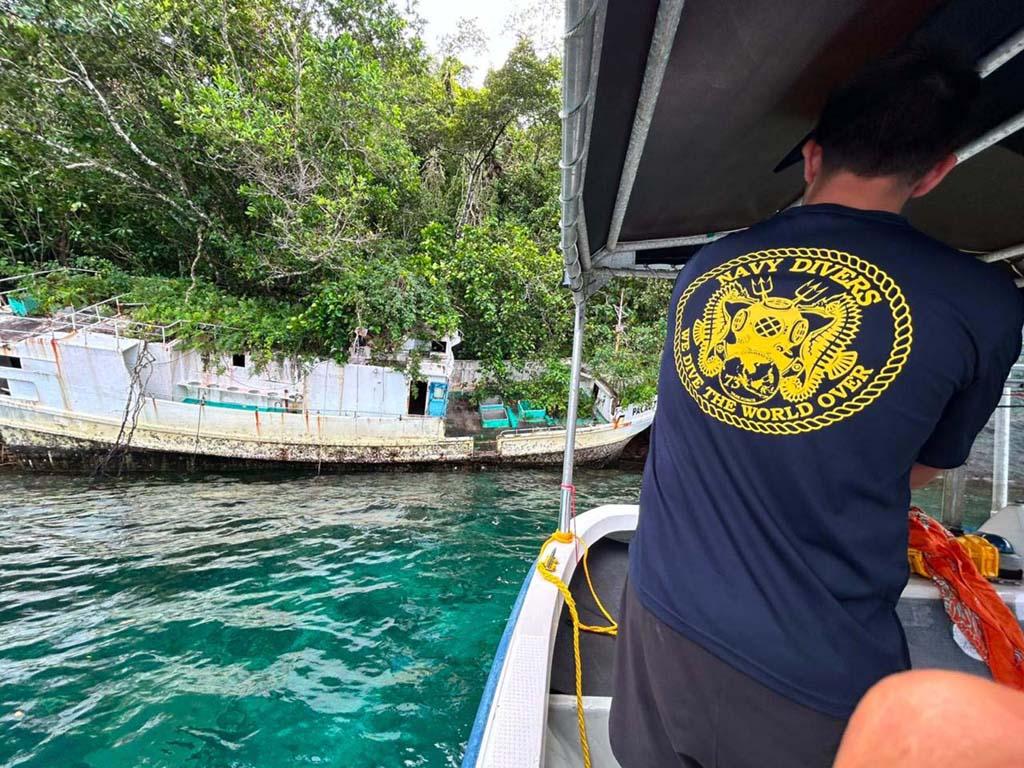
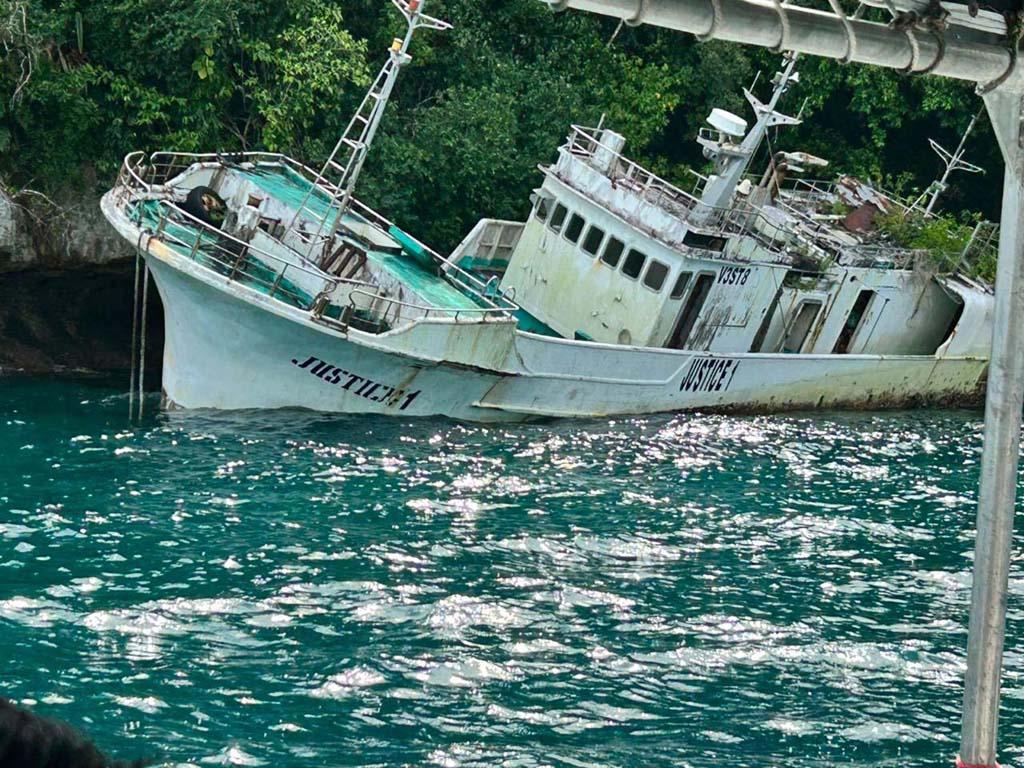
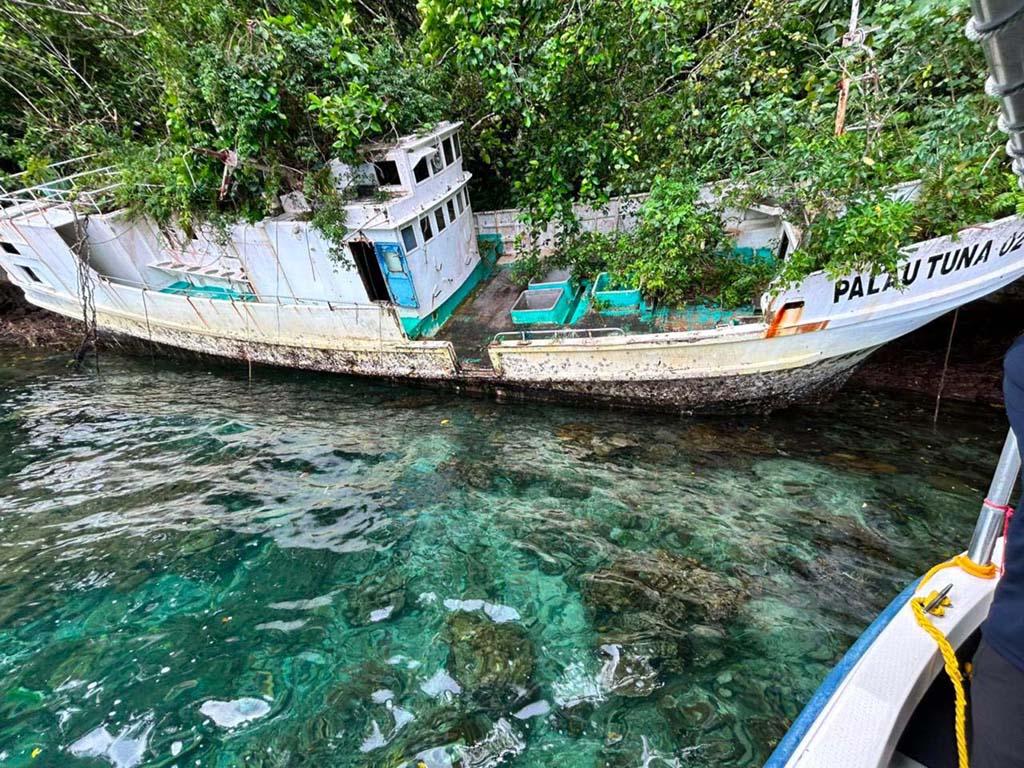
Boats that had been run aground in Palau will be removed by the U.S. Navy salvage ship; the USNS Grasp. Photos by Naval Facilities Engineering Systems Command
U.S. military and Palau government representatives have been publicly outlining these plans through a series of meetings, including an Oct. 29 session at Koror State Constitution Hall focused on the Environmental Impact Statement for the Malakal project, and an industry forum at Palau Community College to connect Palauan businesses with prime contractors. At the public meeting, officials emphasized that the EIS is a required part of project planning under Palau’s national regulations and said community comments on economic opportunities, traffic, coral impacts and mitigation measures are helping shape the environmental analysis. The EIS is being carried out by a Palau-based firm approved by the Environmental Quality Protection Board, with mitigation measures expected to include silt curtains, turbidity monitoring and marine relocation plans for coral and other species.
Koror State’s Ice Box Park Land Reclamation Project has been linked to the port upgrades as a way to reuse dredge material from Malakal Harbor. Under that plan, dredged material would be used to reclaim land adjacent to the harbor and expand public park space, creating an estimated 22,300 square meters, or about 240,000 square feet, of new area — roughly equal to two Asahi baseball fields — for community use. Officials say dredging at the north and eastern edges of the wharves will allow larger commercial ships to call at Malakal, and that combining port improvements with the Ice Box Park expansion is intended to deliver both economic and public-benefit gains.
The Navy salvage ship the USNS Grasp has made its way to Palau to help clean up three abandoned derelict vessels that have run aground in the Rock Islands within Malakal Harbor. The three vessels are among the many derelict and sunken vessels documented within Koror State’s waters, some of which are believed to have grounded in the years following Typhoon Bopha’s passage near Palau in 2012. The formal request for U.S. Navy assistance with these high-risk vessels dates back to 2022, when the National Security Coordinator asked the U.S. military to provide technical support to remove selected grounded hulls that pose navigational and environmental concerns. Once the Navy approved this request, the Navy salvage team began detailed planning, building on initial surveys conducted in 2021 of several derelict vessels in and around Malakal Harbor.
The initial mission to remove three of these vessels began in the summer of 2025, but the salvage ship was subsequently redirected to support another urgent recovery operation elsewhere in the region. In early 2026, the Navy salvage team resumed planning to return to Palau during the summer. On Wednesday, July 23, the Grasp arrived in Malakal Harbor to restart operations and remove three vessels lying just across the harbor from Malakal.
The Grasp is a specialized Military Sealift Command rescue and salvage vessel designed to tow and refloat stranded ships, support complex diving operations, and recover submerged objects, including sunken vessels and aircraft. The current mission includes a team of 17 highly skilled Navy salvage divers and technical specialists, who will work to carefully float these vessels off the reef, make temporary repairs to ensure they can be safely towed without sinking, and prepare them for ultimate disposal at approved deep-water sites within Palau’s sovereign waters, in line with environmental and maritime safety standards.
The U.S. Embassy anticipates that this month-long operation will cost in the multi-million-dollar range, reflecting the complexity of the work, the specialized capabilities of the Grasp, and the importance the United States places on its close partnership with Palau. This commitment underscores the shared priority that Palau and the United States place on maritime safety, environmental protection, and the security of Palau’s harbors and surrounding waters.
Priority within the U.S. military is typically given to what are called “Quality of Life” projects. That includes housing.
In Guam, the need to develop an adequate supply of housing for military personnel and their families was recognized in 2024.
A Request for Information was issued as a Special Notice on Feb. 17 of that year by Naval Facilities Engineering and Systems Command Pacific “seeking innovative housing solutions to accommodate 1,000 to 4,000 additional accompanied and unaccompanied service members on the island of Guam due to increased military presence,” according to Journal files.
The RFI welcomed all manner of solutions for “optimizing land utilization and ensuring high quality of life developments …”
In an unusual move, the U.S. Navy in Guam widely publicized the issuance of a Request for Proposals for housing for accompanied and unaccompanied personnel, more than a year after the RFI appeared.
Phase 1 responses were due Oct. 13, 2025, to Naval Facilities Engineering and Systems Command Pacific. A number of respondents were to be selected from those responding to Phase 1 and were to be invited to submit detailed proposals in November in Phase 2. “Offerors may propose single or multiple sites,” the RFP said.
“The total unaccompanied housing requirement is approximately 800 units and the total family housing requirement is approximately 1,600 units based on the current projected end-states for force flow in the mid-2030s,” the RFP said. “The initial (Phase 1) of this requirement is targeted to be 400 unaccompanied housing units and 917 family housing units. These units should be available for occupancy by June 2028,” the RFP said.
“The balance of unaccompanied and family housing units (Phase 2) will be required in a subsequent phase to be available for occupancy by no later than June 2032,” according to the RFP.
At least 75% of the housing should be in the center of Guam, the RFI had said, and a minimum of 50 units were required. The RFP drew many replies.
Respondents were asked to present “groundbreaking sustainability strategies that embrace energy efficiency, waste reduction and eco-friendly construction practices” as well as include financial projections, and “outline potential partnerships with the Government of Guam, private sector entities, and local communities to ensure successful implementation.”
The RFI had also addressed “transient lodging,” and requested “visionary short-term housing solutions … during relocations, deployments, or temporary assignment” for military personnel.
The idea of a privatized housing development for military personnel is not a new one. In 1996, Congress created the Military Housing Privatization Initiative under the National Defense Authorization Act.
Five large companies agreed to operate and maintain military housing in exchange for the full Basic Allowance of Housing of service members, while structuring their business models on an expected occupancy rate, since the Tenant Waterfall Policy, a risk mitigation tool, gave companies the ability to maintain occupancy and financial stability. Five tiers became eligible to participate in the MHPI in the following order: unaccompanied military personnel, active National Guard and Reserve, military retirees, federal government civilians, and civilians.
The Journal reported in 2024 that Hunt Military Communities owned approximately 52,000 homes spread across more than 40 military installations, according to its website.
Hunt can lease to a mix of military personnel, retirees and civilian personnel. Hunt has different rates for different tenants, charging what it refers to as market rates for retirees, according to its literature for tenants. Liberty Military Housing provides housing on and near military installations across the United States.
If privatized military housing in Guam is off base, bidders will need to offer property, as well as a plan for the development and what it will contain.
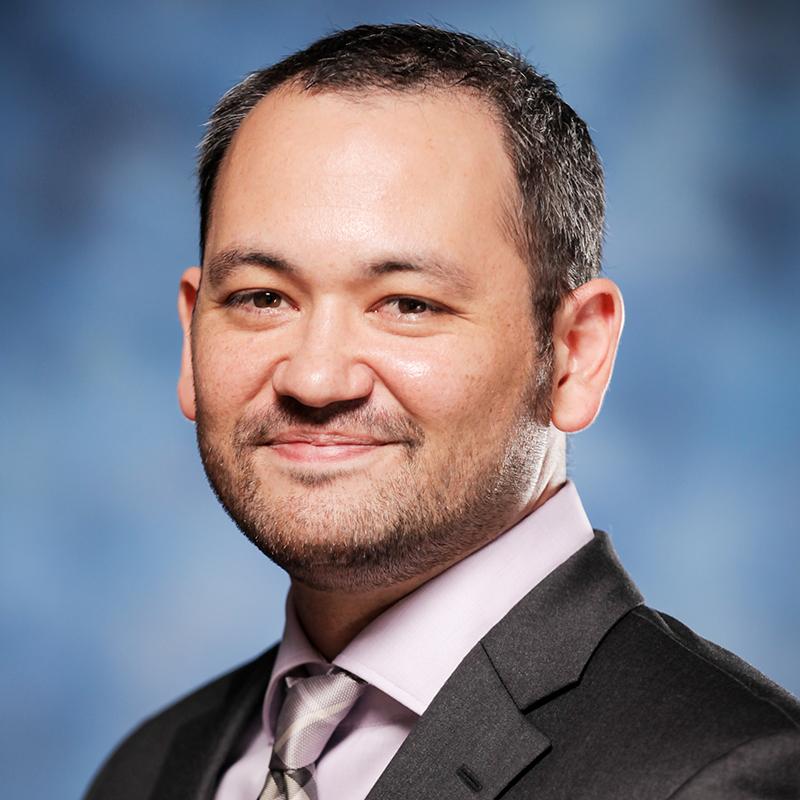
MummertAccording to Ryan Mummert, president of Pinpoint Guam, 38 offerors submitted proposals; 18 advanced to Phase 2. Phase 2 participants are still waiting for the next step – to move the selection forward to the stage where selected offerors could demonstrate expertise, experience and more.
Few of them are expected to deliver proposals for 50 housing units in the current economic climate. The delay increases the prospect that the current plan — which has a deadline of occupancy by June 2028 — will change.
HendersonDonald Henderson, director of Plans, Policy and Strategy at Joint Region Marianas told the audience during the Guam Post’s Society of Military Engineers Guam Industry Forum on July 29, “On of the things we’re trying to do is get the military to do high rises,” he said, rather than single family units.
This is not a new idea at JRM, according to Journal files.
Rear Adm. Benjamin R. Nicholson told the paper in 2022, “There’s actually a very well-defined process for determining how many houses you are supposed to have on the base.”
He said, “It doesn’t equate to 100% of the people have to live on the base,” he said and includes availability of rental properties and the local economy.
One completed part of that, he said at the time has studied the rental market in Guam for internal billing between service branches. Yet to come is a broader study that will cover personnel, their status, and availability of rentals on island versus military inventory and size of properties on base. While there is space to build, Nicholson said, “We’re looking at some smarter ways to build as well. … There’s a lot of goodness in building up; you disturb less footprint as you build up. There’s a lot of benefits to doing that; you can get more units with less piping and these sorts of things.” “Do we have to build a whole bunch of three-bedroom duplexes, or could we build a multi-story or apartment type living that could hold a number of families here?”
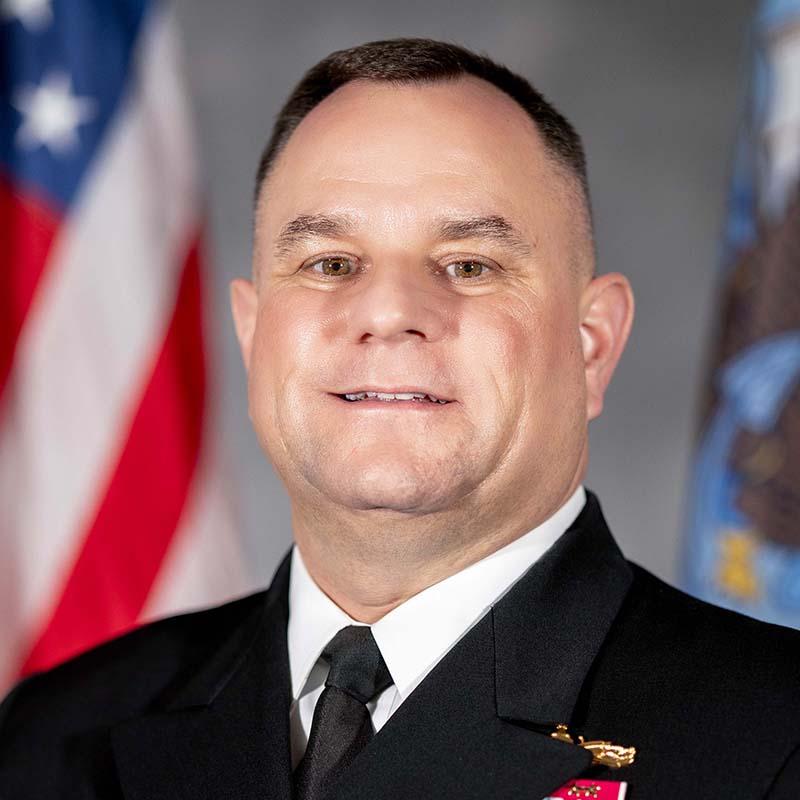
NicholsonThe need for military housing of adequate standard around the nation is well-known. And while Marine Corps Base Camp Blaz has brand new barracks for Bachelor Enlisted Quarters, Guam’s barracks at Andersen Air Force Base were deemed unacceptable. See Air Force awards dorm repairs after Navy secretary visit.
An RFI for “temporary unaccompanied housing/swing space solutions” for Navy installations was issued July 24, listing potential acceptable solutions for need in Great Lakes, Ill. of about 1,000 beds, surging to 1,500 from fiscal 2026 to fiscal 2008, for two locations in Pensacola, Fla. for about 600 beds, surging to 1,000, and for about 2,000 beds, surging to 2,500 for the same period, and other locations in Panama City, Virgina, San Diego, Hawaii, California and the Northwest. Potential accommodation solutions included containerized housing, trailer-based or RV-based housing, turnkey workforce housing, leased commercial apartments, leased commercial hotel/extended stay units, and houseboats. mbj
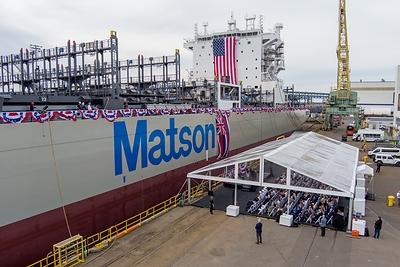
Matson Inc. and Hanwha Philly Shipyard Inc. held a christening ceremony for the Aloha Class Vessel Makua, set to serve Guam in the first quarter of 2027, at the Hanwha Philly Shipyard, Philadelphia on Oct. 12.
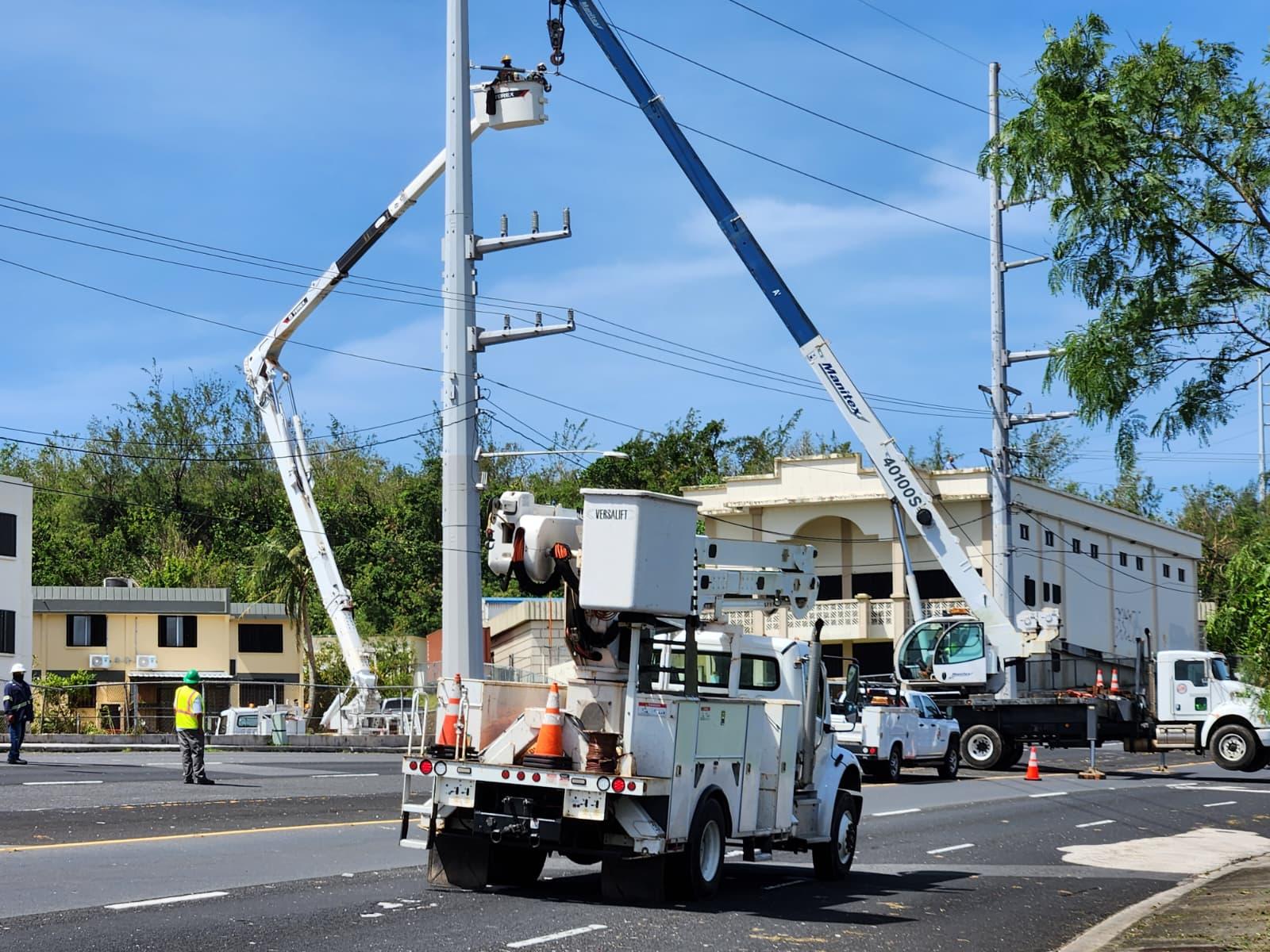
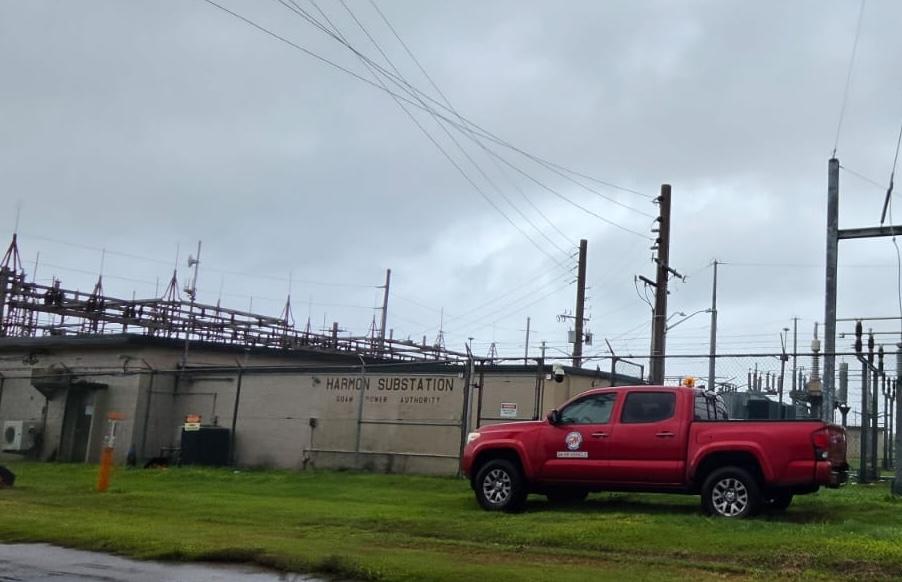
Essential infrastructure, commercial fuel stations, and private health facilities across Guam are swiftly reopening following the passage of Super Typhoon Champi, with key transportation hubs and utility providers moving into full recovery status.
Just hours after Super Typhoon Champi passed south of Guam, President Donald Trump approved Gov. Lourdes A. Leon Guerrero's request for an emergency declaration, which authorizes the Department of Homeland Security's Federal Emergency Management Agency to coordinate emergency assistance.
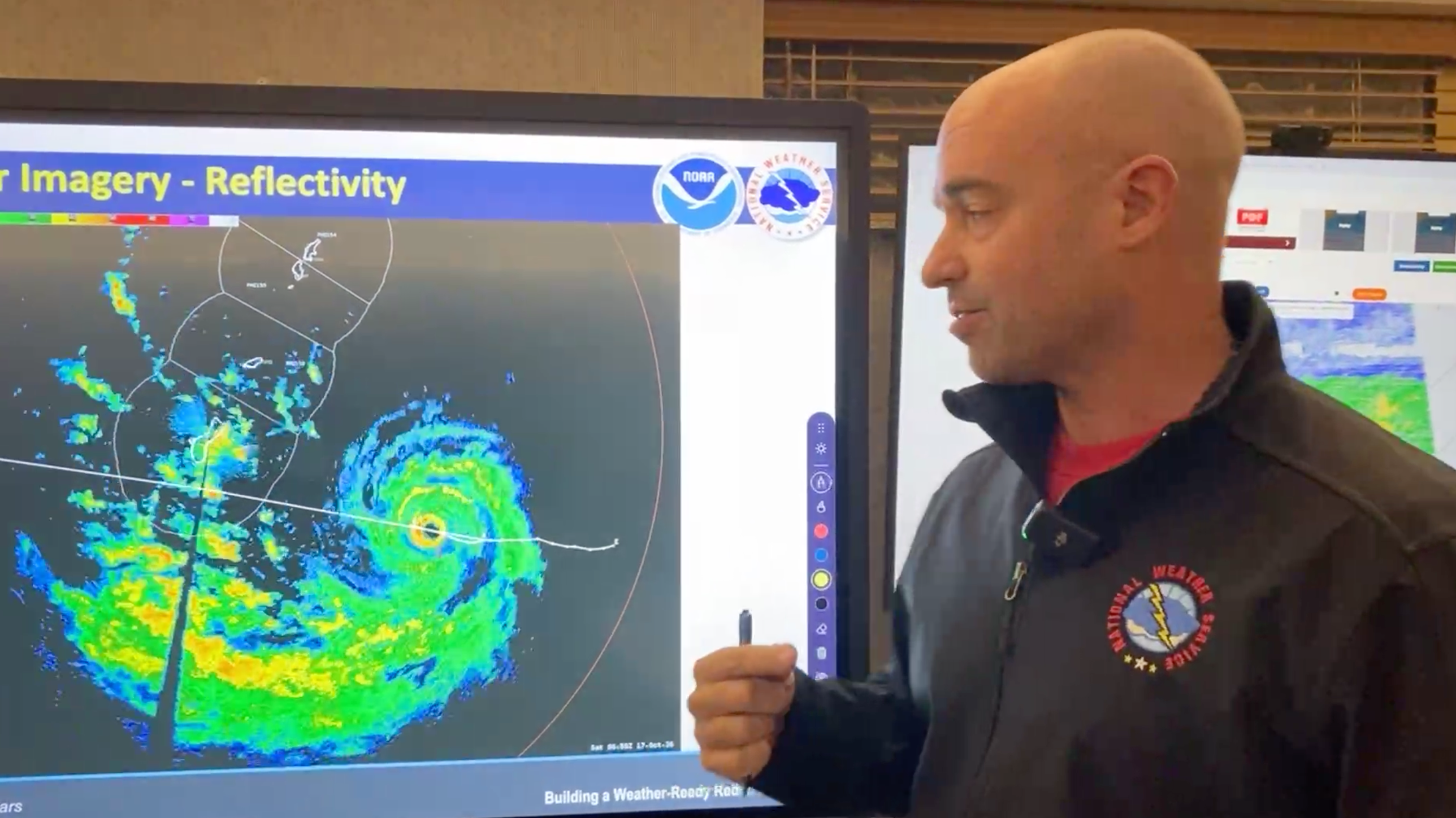
Typhoon Champi is now expected to be a Category 4 storm, with winds of 130 to 156 mph and gusts of more than 180 mph, when it makes its closest approach to Guam.