Small businesses reel from long slump, brace for further strain after Sinlaku
BY MARK RABAGO
Saipan Correspondent
Even before Saipan was struck by Super Typhoon Sinlaku — its third 150 mph storm in just over a decade — small businesses were already grappling with a prolonged economic downturn marked by declining revenues, shrinking customer bases, and persistent operational challenges.
JonesYears after super typhoons Soudelor in 2015 and Yutu in 2018, and the devastating impact of the COVID-19 pandemic in 2020, the CNMI’s tourism-driven economy has yet to fully recover. Business owners say the resulting outmigration of residents and foreign workers has eroded consumer spending, leaving establishments reliant almost entirely on a diminished local market.
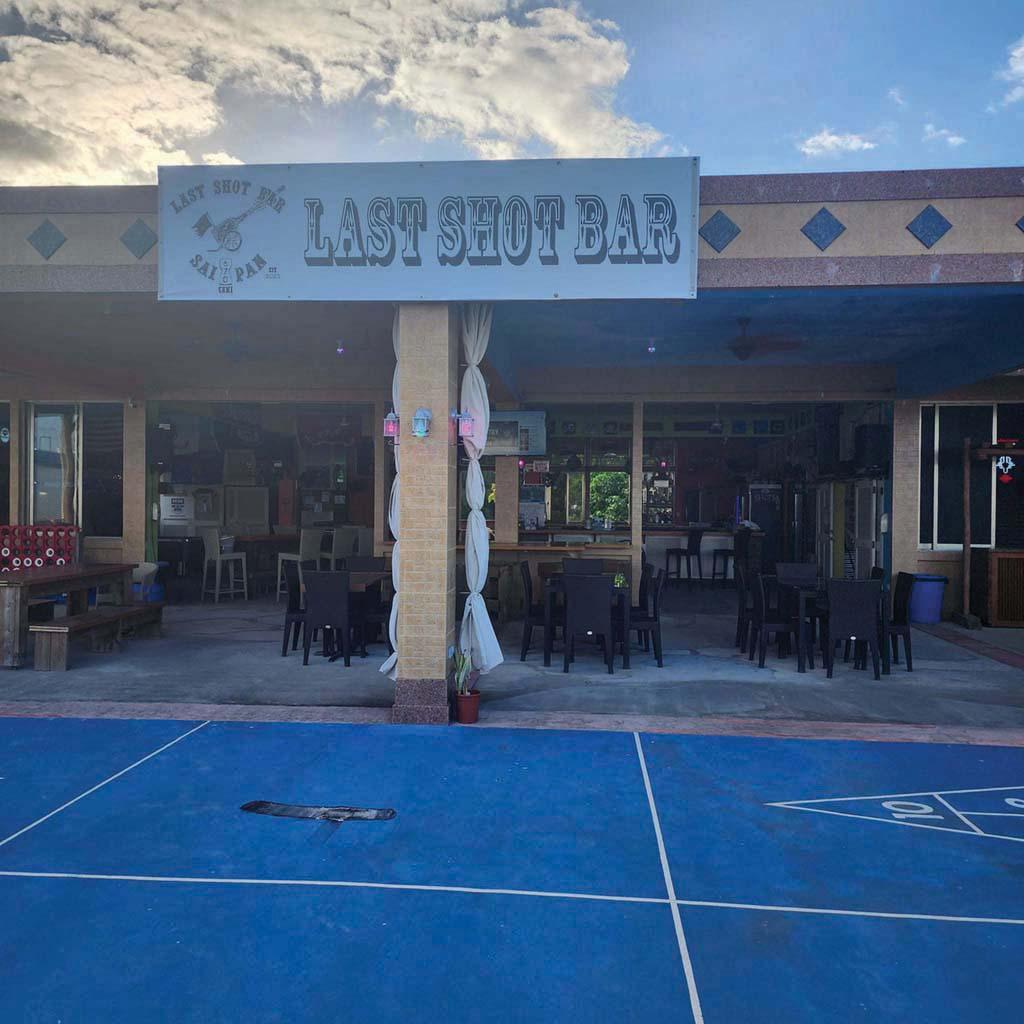
For Travis Jones, owner of Last Shot Bar on Beach Road in Chalan Kanoa, the drop in income has been stark.
“Our earnings at times dropped 60% to 70% from two years ago,” he said, noting that monthly revenues fell from about $18,000 to $20,000 down to just $5,000 to $6,000. “We have bottomed out our fixed overhead, which is now around $5,500 per month, which does not include the cost of alcohol,” he said.
Jones said the decline in gatherings — a key revenue driver — has compounded the problem.
“The parties seem to have dropped off in the last six months to one or maybe two per month due to economy,” he said.
Last Shot Bar on Beach Road in Chalan Kanoa saw a decline in gatherings. Photos by Mark Rabago
While operations have resumed on a limited basis, challenges persist, including limited ice supply, damaged equipment, and reliance on generators. “We try to only use our generator during open hours as it costs about $30-plus to run for six hours,” he said.
Despite the setbacks, Jones remains optimistic. “We are not closing and plan to come back stronger than before,” he said, adding that disaster recovery periods historically bring a temporary economic boost. “Last Shot Bar needs to be open and running to serve all of these guests,” he said, citing first respondents from off-island who also need a break from the grueling task of recovery.
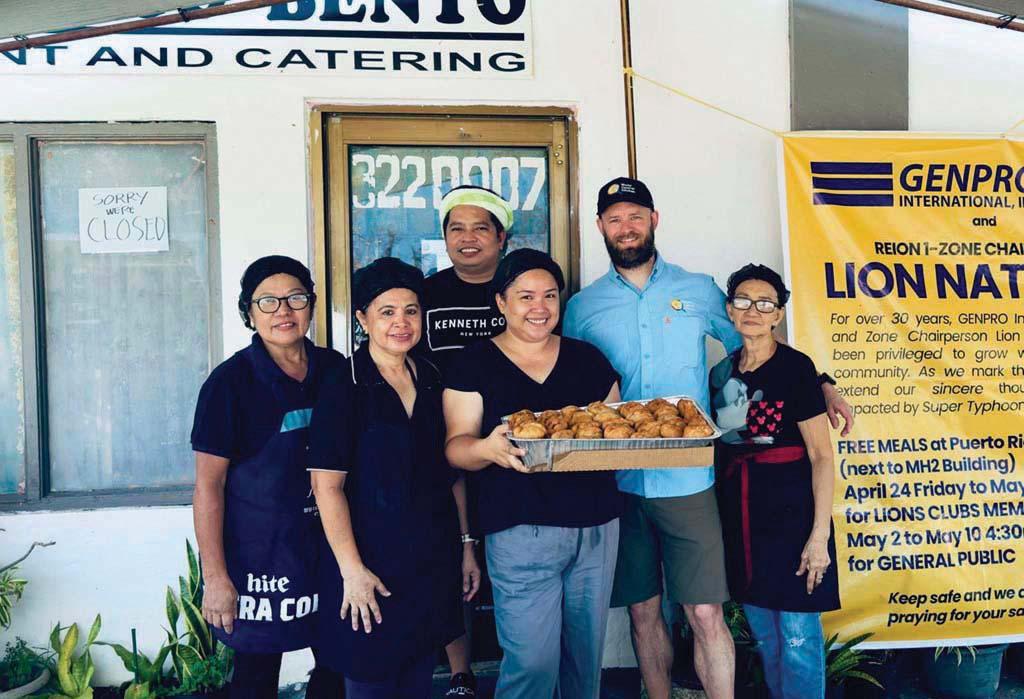
LastimadoFood businesses have faced similar volatility. Angel Lastimado, owner of Puerto Rico Bento on Pale Arnold Road, described pre-typhoon conditions as already difficult. “Because of the economy that we have right now, it's a bit challenging. We're just in the middle,” she said.
Lastimado said monthly revenues had dropped by more than half compared to pre-pandemic levels. “Let’s say around $25,000 to $30,000,” she said of past gross earnings, compared to about $12,000 to $14,000 more recently. “Maybe around $8,000,” she added when referring to net income.
The exodus of foreign workers — once her main customers — has taken a toll. “Those are our customers here; the construction workers,” she said.
In the immediate aftermath of Sinlaku, however, demand surged due to relief efforts.
Lastimado partnered with nonprofit groups and the World Central Kitchen to provide meals to the community. “From that, we're serving 200 meals a day,” she said, noting additional support from private sector donors.
For Puerto Rico Bento conditions were difficult before the typhoon.
Still, she acknowledged ongoing uncertainty. “Challenges, maybe… No power,” she said. Limited resources among customers could dampen future business. “If they spend their savings… it will be a bit challenging opening our doors again.”
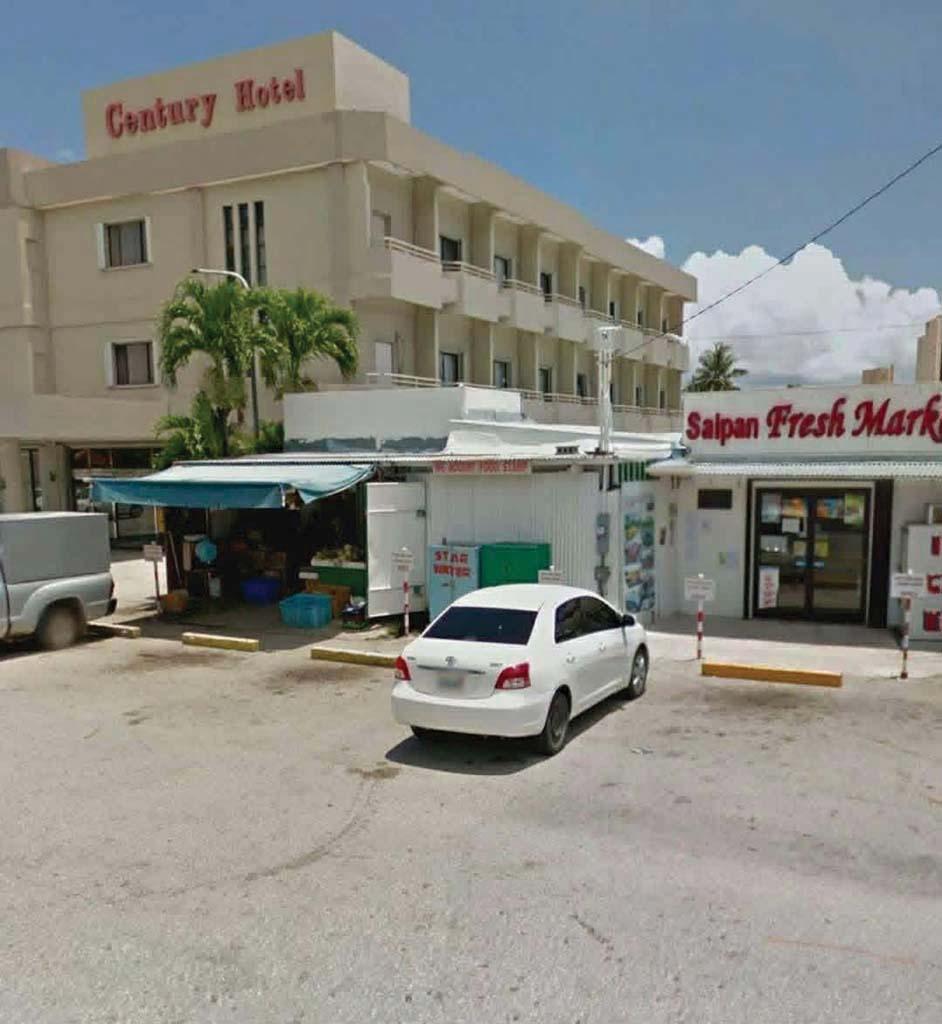
At Saipan Fresh Market in Middle Road, manager Li Li said the business had been stable before the storm. “Before the typhoon, business was steady and growing.” But conditions deteriorated quickly afterward. “Since the typhoon, revenue has dropped significantly,” Li said, citing power and water outages, disrupted supply chains, and reduced foot traffic.
Saipan Fresh Market saw revenue drop before Sinlaku struck Saipan.
“The biggest challenge has been maintaining inventory, especially fresh produce, without consistent utilities,” she said. While acknowledging some government assistance, Li said, “We are still navigating the process and hope for more timely and accessible support.”
HongChangming Market owner Li Gui Hong echoed similar concerns, saying floodwaters damaged equipment and inventory, including freezers and warehouse stock. Operating hours have been reduced, and fuel costs have surged due to generator use.
Still, the store in Garapan has stepped up to assist the community by allowing residents to charge devices free of charge.
Like many others, Hong said revenues have fallen sharply since the pandemic and population decline. “More than 50%,” he said when asked about the drop in income. Hong said Changming Market’s customers are the everyday man made up of all nationalities — locals, Filipinos, Korean, Chinese, and Bangladeshis. mbj
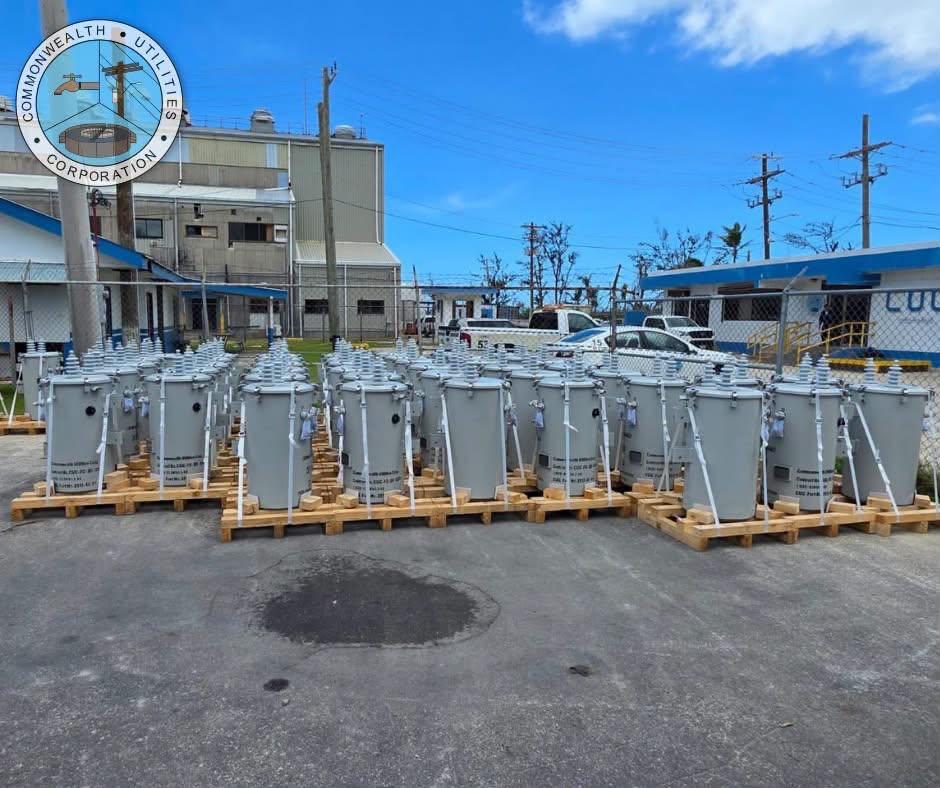
As some residents throughout the Northern Mariana Islands three months post Super Typhoon Sinlaku and two weeks post Super Typhoon Bavi remain without power, the Commonwealth Utilities Corp. shared that new materials have been received to aid in restoration throughout the NMI.
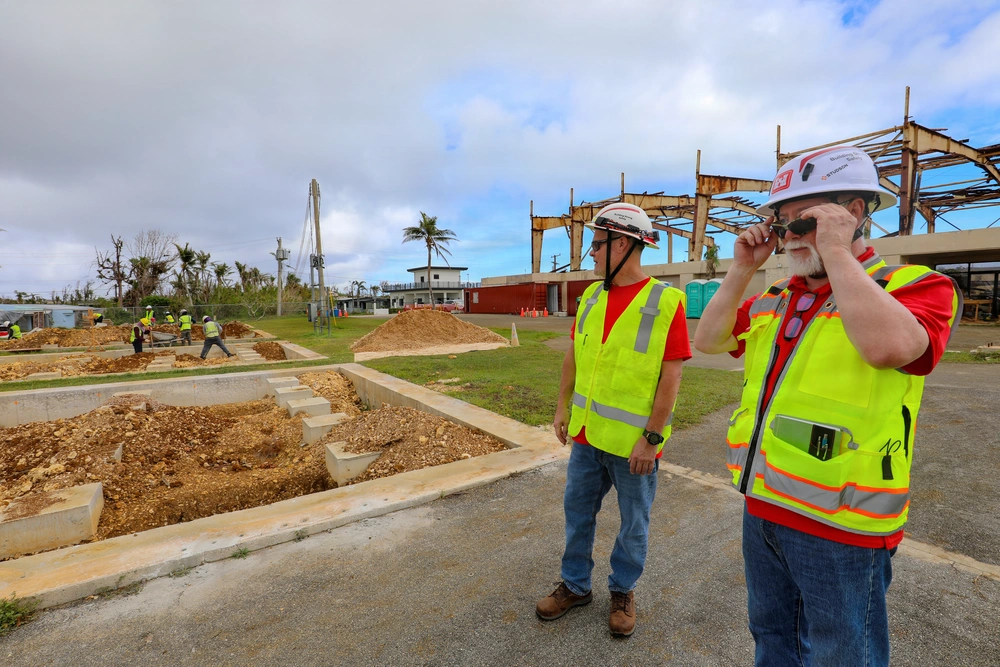
As part of ongoing Super Typhoon Sinlaku and Super Typhoon Bavi relief efforts, the U.S. Army Corps of Engineers is constructing 18 modular classrooms and two restrooms at the Northern Marianas College.
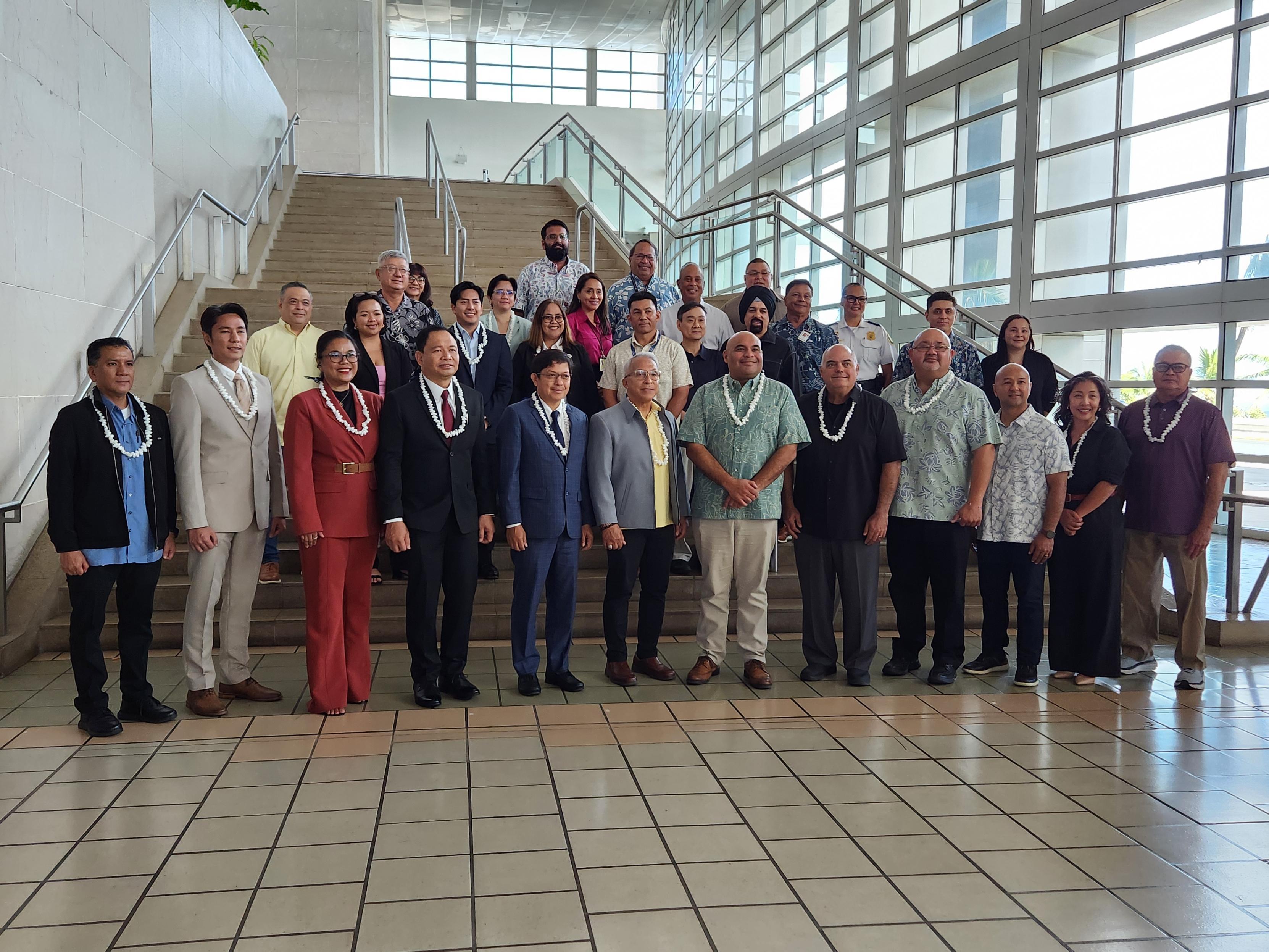
Regional leaders, government officials, and industry executives gathered at the Guam International Airport Authority on Wednesday, July 22 for the inaugural session of the Guam-CNMI Visa Waiver Working Group, driving a unified regional effort to expand the Guam-CNMI Visa Waiver Program to include the Philippines.
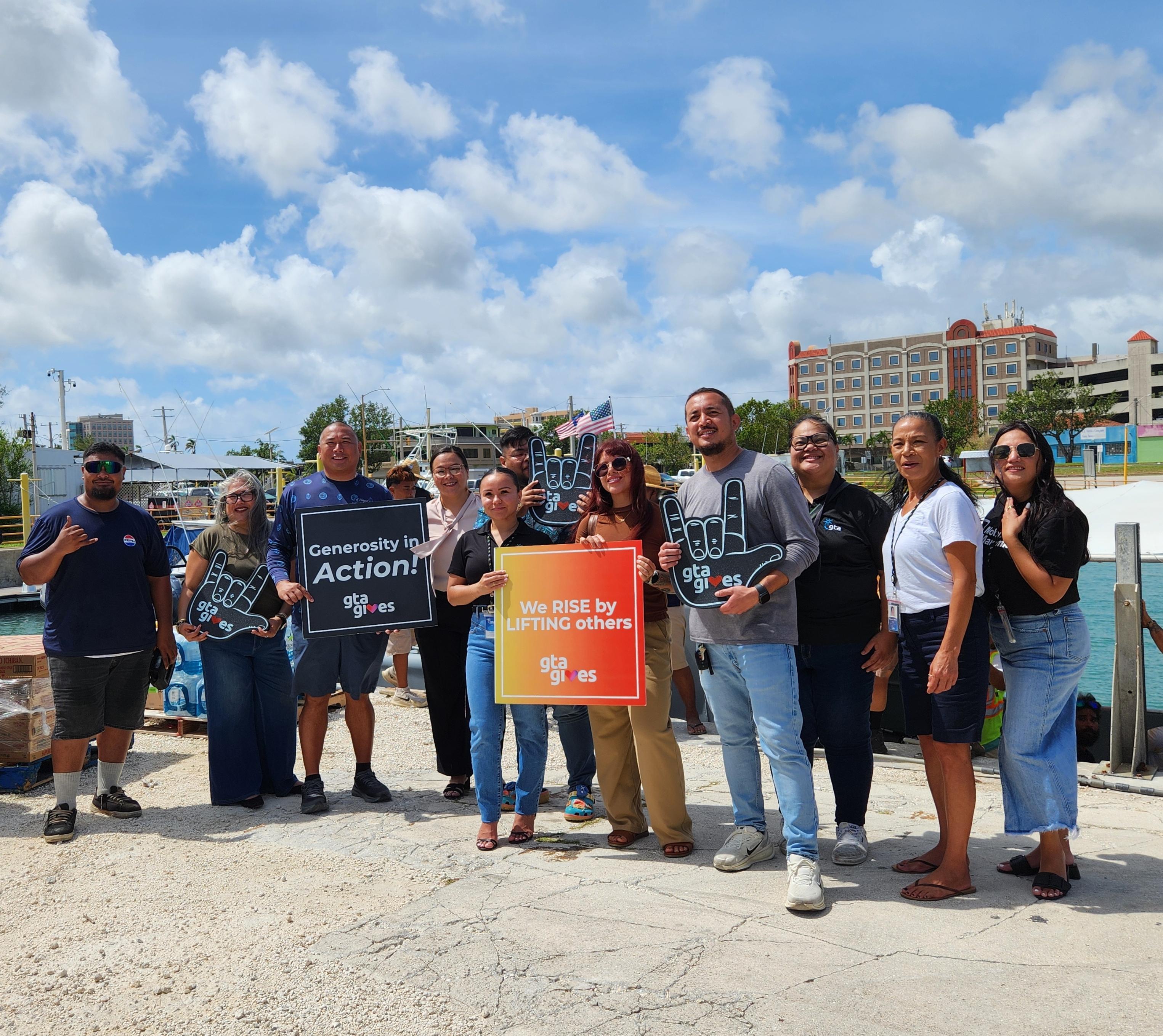
GTA contributed to relief efforts in support of the Mayor’s Council of Guam, donating 60 cases of water and gas cards for fuel to aid Rota’s ongoing recovery.