In the wake of Super Typhoon Sinlaku, small business owners across Guam are navigating a complex recovery process defined by significant inventory losses, operational hurdles, and a deep reliance on community support. While structural damage across the island remained relatively minor, the financial toll of utility failures and economic stagnation continues to pressure the local private sector.
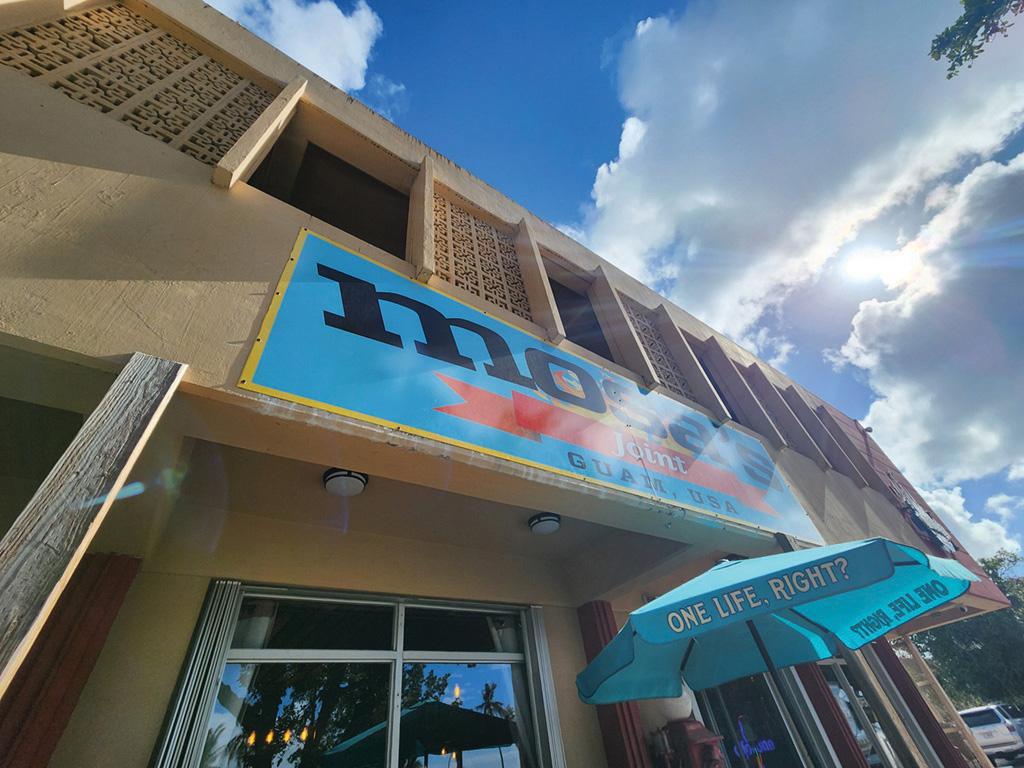
GenereuxMonique Genereux and Sara Pleadwell-Doctor, co-owners of Mosa's Joint in Hagåtña, reported a substantial financial blow after their restaurant’s generator failed. A snapped fan belt during the height of the storm led to the spoilage of nearly $10,000 in refrigerated inventory. Pleadwell-Doctor estimated the total impact, combining food costs and lost revenue, to be between $20,000 and $25,000.
Despite the setback, the pair benefited from the strength of their network. “I reached out to all my friends that own diesel engines ... and everyone came together and were helping out,” Genereux said.
Mosa’s Joint in Hagåtña saw its generator fail during Typhoon Sinlaku. Photos by Daniel M. Perez
Mosa’s Joint, which celebrates 15 years of operation this June, transitioned from a food truck to a brick-and-mortar establishment that now employs 55 people. For the owners, the resilience of the business is tied to a decade of community building. “The greatest thing about owning our own business is definitely the pride we get from it,” Genereux said, noting that they have never laid off an employee, even through the height of the COVID-19 pandemic.
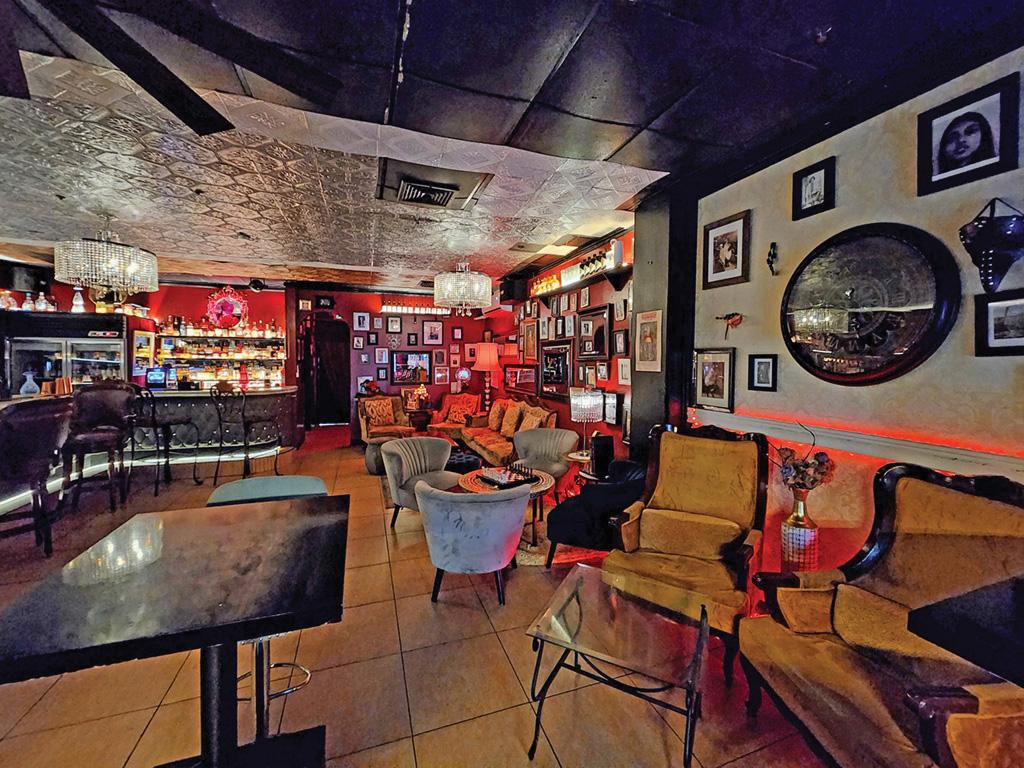
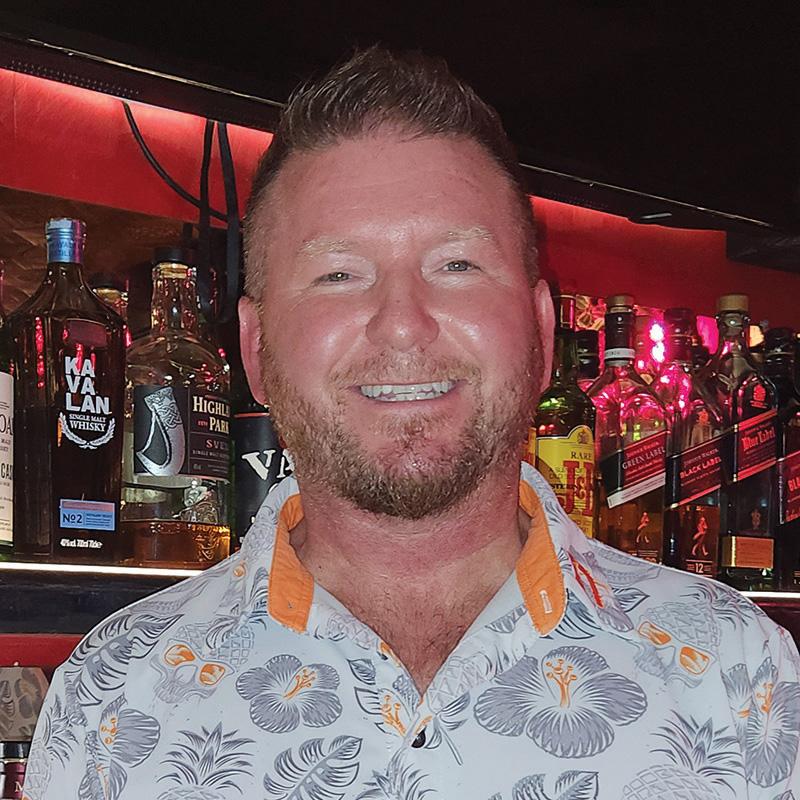
At The Shady Lady in Harmon Loop Road, owner Todd Joseph Reagan, president of Tron Ventures LLC, faced a full week of closure due to power outages. Reagan — who took over operations just one week before the typhoon — was unable to utilize the building’s backup generator for full operations. “The storm did hurt. Being shut down a week is not good for anybody,” Reagan said, noting the loss of initial momentum under new management. To recover, Reagan plans to expand service hours from 5 p.m. to 2 a.m. daily to capture late-night industry traffic.
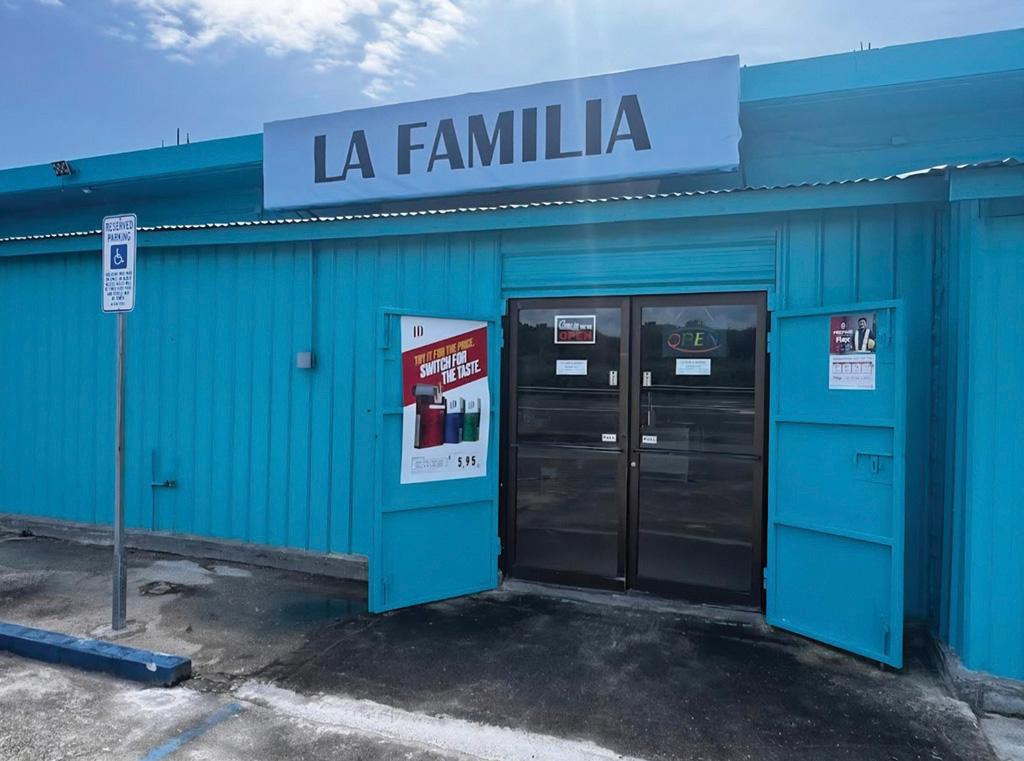
The Shady Lady in Harmon Loop was shut for a week after the typhoon. ReaganIn Barrigada, Raymond Lee, owner of La Familia Market, faced a different set of challenges. While the building suffered only minor damage, Lee noted that post-typhoon foot traffic was uncharacteristically quiet compared to previous storms. Lee — who relocated his business from Ysengsong Road in Dededo after the pandemic — attributed his current stability to a loyal customer base of government employees.
Lee’s experience reflects broader economic concerns for Guam’s small businesses, which represent over 90% of the island’s commercial landscape, according to the Guam Department of Revenue & Taxation. He noted that the local economy is “not really good at this moment," and said a continued lack of tourist arrivals is a primary factor for the regional slowdown. This vulnerability is underscored by the fact that many small businesses in Guam operate with limited cash reserves, making the loss of several days of revenue, or $10,000 in spoiled goods, a potential threat to long-term viability.
However, these establishments reported that customer outreach and social media have been a primary driver of their reopening success. Genereux noted that every single customer who walked through the doors after the storm checked on the staff’s well-being.
La Familia Mart in Barrigada relies on loyal Government of Guam employees.
Similarly, Lee utilized social media platforms like TikTok, Instagram, and Facebook to maintain connection with his patrons during the recovery.
As the island moves forward, these owners remain focused. “This is our vision, and everything about Mosa’s is our vision,” Genereux said. mbj
Guam Business Magazine appreciates the fact that Sen. William A. Parkinson reads the magazine, as do other senators, and no doubt he reads the Marianas Business Journal also.
One week after Super Typhoon Bavi, Guam’s public utility infrastructure has approached near-total recovery, with the island-wide power system restoring 96% of customer demand and the water utility bringing 95 wells back online.
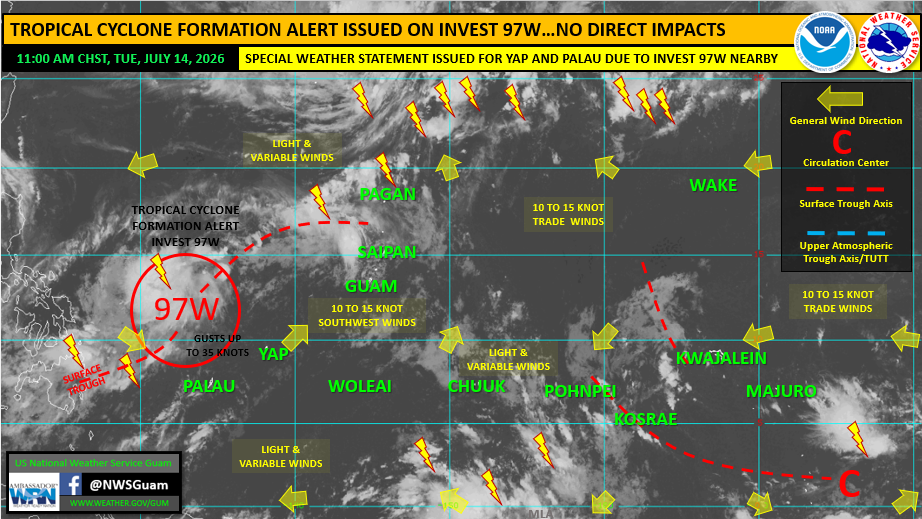
A regional tropical cyclone formation alert has been issued as a developing weather disturbance northwest of Yap threatens to strengthen the seasonal monsoon across western Micronesia and the Mariana Islands.
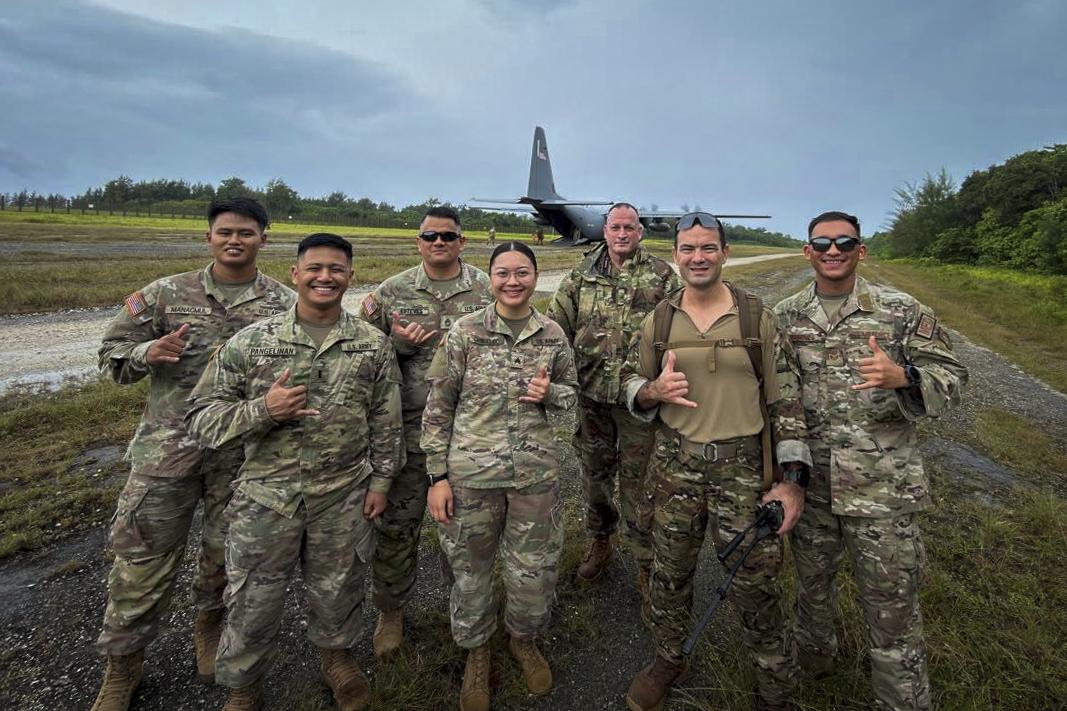
Contributing to Valiant Shield 2026, the Guam National Guard joined the Washington National Guard in Palau to demonstrate expeditionary sustainment exercises providing logistics, medical, and communication support.