














BY MARK RABAGO
Saipan Correspondent
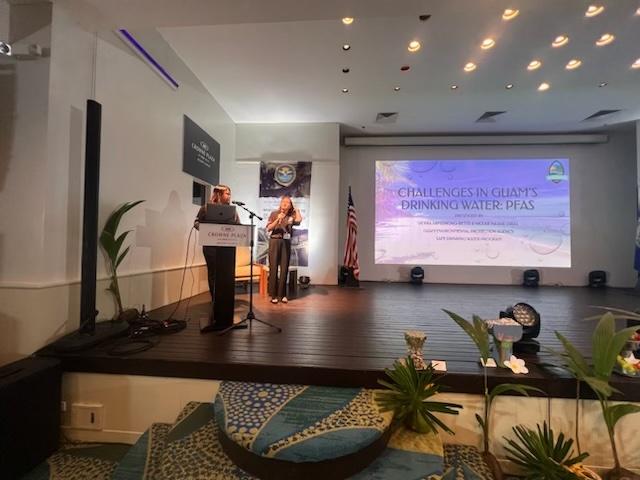
GARAPAN, Saipan — During a detailed presentation at the 32nd Pacific Islands Environmental Training Symposium on June 10 at the Crowne Plaza Resort Saipan, Guam presenters raised alarm bells at the widespread presence of toxic “forever chemicals” during a presentation on Guam’s Safe Drinking Water Program.
Sierra Armstrong-Bettis and Nicole Ha’ane Diras of the Guam Environmental Protection Agency presented comprehensive data showing multiple PFAS hotspots across Guam, citing military installations, the island’s airport, and areas with firefighting activity as primary sources of contamination.
Their findings revealed high-risk exposure in central villages, where PFAS levels often exceed federal health advisory limits, and vulnerable populations — like children and low-income families — face the greatest health threats.
PFAS (per- and polyfluoroalkyl substances) are synthetic chemicals used in firefighting foam, non-stick products, and industrial processes. They persist in the environment and are linked to cancer, hormone disruption, and other serious health risks. The U.S. EPA recently set enforceable Maximum Contaminant Levels at 4 parts per trillion for PFOS and PFOA.
Guam faces outsized contamination relative to its size of 212 square miles, according to the presentation. The U.S. military accounts for about 25% of the island’s landmass, and multiple U.S. Department of Defense properties have been flagged as PFAS hotspots. Other risk areas include landfills, aborted takeoff zones, and firefighting training grounds.
From 2023 to 2024, data collected by the Guam EPA, U.S. EPA Region 9, and the Guam Waterworks Authority showed that PFOS are the most prevalent PFAS compound detected in public water systems. Several public wells — anonymized as A through F — showed PFAS levels four times higher than the federal limit.
Particularly affected areas include the villages of Hagåtña, Sinajana, Agana Heights, and Mongmong-Toto-Maite. Hagåtña, where many government and business offices are located, registered the highest PFAS risk index, with more than 127% based on likelihood and impact calculations.
To assess PFAS exposure vulnerability, Armstrong-Bettis and Diras developed a risk model that factored in not only contaminant levels but also the presence of daycare centers, pre-K to elementary schools, public housing, and hospitals in each village. They found that the most at-risk populations —children and low-income families — often live in areas with both high PFAS readings and limited access to alternative water sources.
While many Guam residents obtain water from more advanced refill stations with reverse osmosis and UV treatment, the most vulnerable residents often rely on untreated tap water.
Guam’s primary PFAS treatment technology is granular activated carbon, or GAC, which removes PFAS from well water. But the process is costly and logistically complex. Used GAC must be exported off-island for safe disposal, and the replacement schedule is resource-intensive.
At one public utility, four separate GAC vessels operate in a lead-lag system — common across Guam — but disposal of spent GAC remains a growing problem.
The presenters also warned that PFAS contamination is not limited to drinking water. Leaching from illegal dumping, septic system overflows, and wastewater mishandling can all lead to PFAS entering Guam’s aquifers. Construction tied to the military buildup, particularly soil disturbance, may also release previously buried PFAS into the environment.
Diras and Armstrong-Bettis concluded their presentation by urging greater investment in PFAS testing, treatment, and community outreach. They also noted that increased federal support is needed to help Guam meet EPA’s new compliance deadlines, and to fund expanded water infrastructure and blood testing programs.
With PFAS emerging as one of the most pressing environmental health issues in the Pacific, the Guam EPA team emphasized collaboration between territorial governments, military agencies, and U.S. federal entities as essential for long-term protection of island water resources. mbj
Guam EPA raises alarm on PFAS contamination
Guam EPA raises alarm on PFAS contamination
- Date Posted: Jun 12, 2025
- News: Guam, Northern Mariana Islands
-
Share this News
Guam EPA raises alarm on PFAS contamination
Recommended Articles...
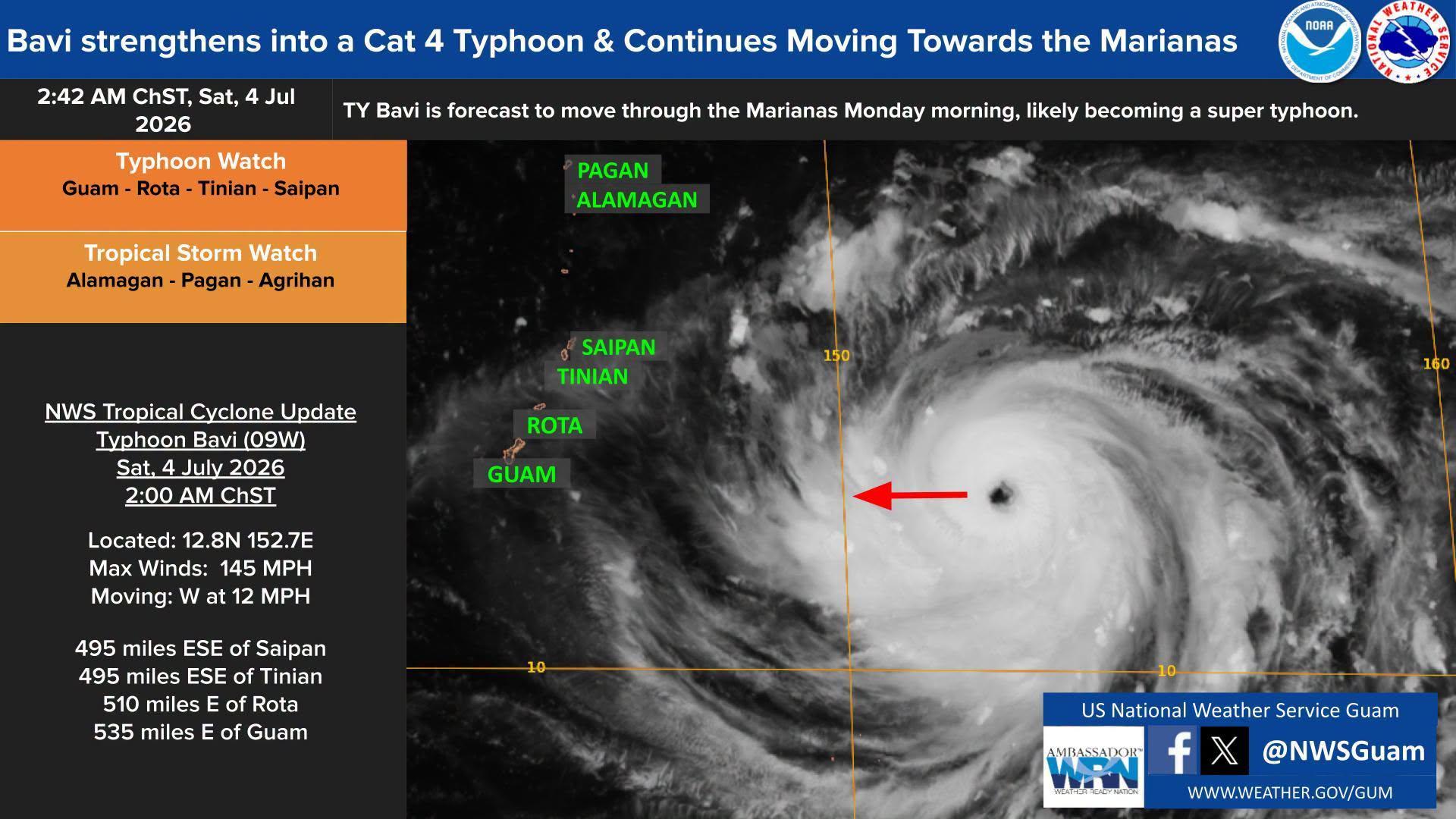
Super Typhoon Bavi’s wind field puts all Marianas at risk; residents urged to use weekend window to prepare
With Super Typhoon Bavi now packing maximum sustained winds of 160 mph and forecast to strengthen further as it moves toward the Marianas, emergency officials are urging businesses and residents to treat this weekend as their critical window to prepare for potentially damaging winds.
Read More 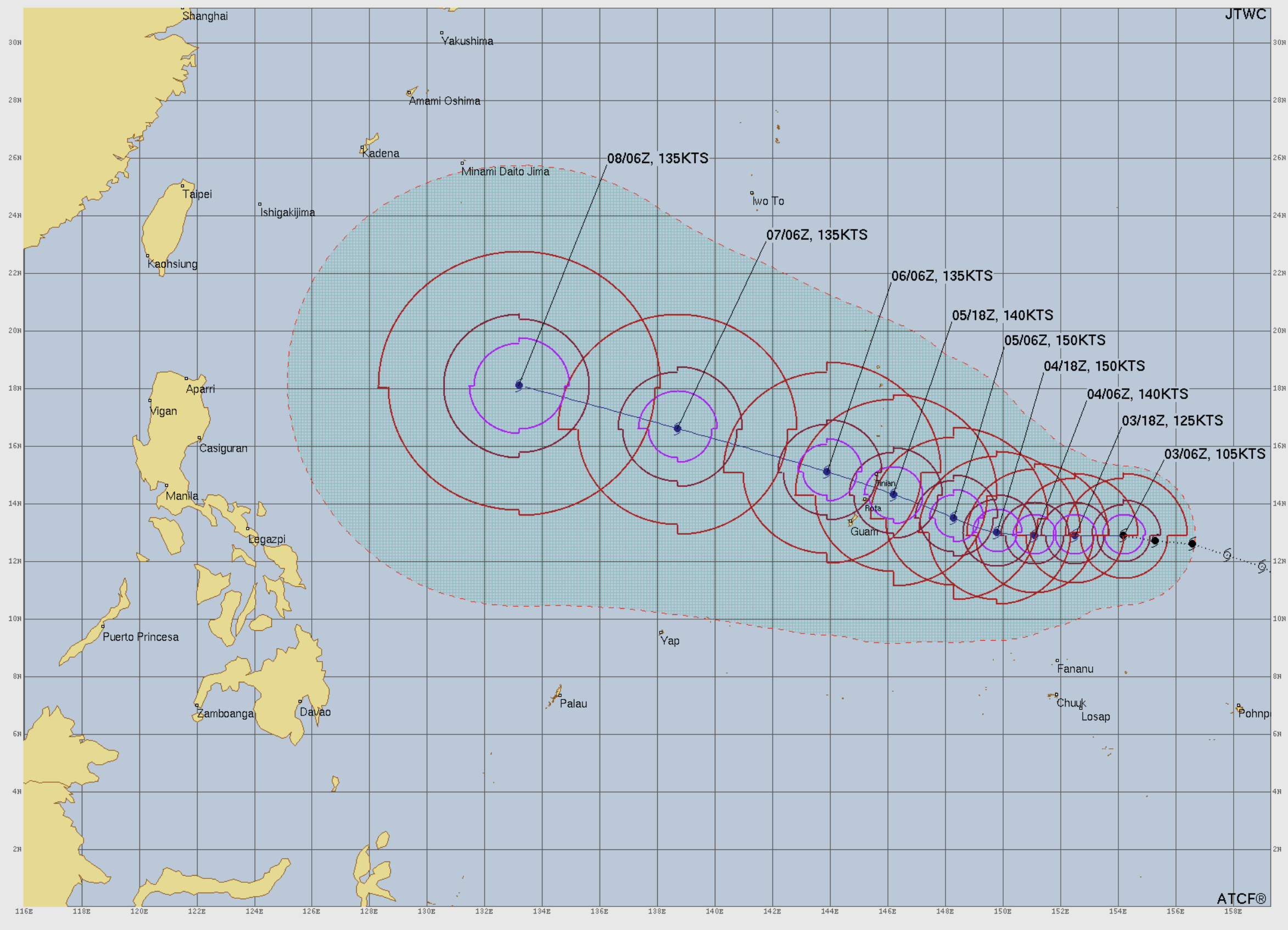
Guam, NMI enter COR 3; leaders urge residents to prepare as Typhoon Bavi approaches Marianas
Guam and the Northern Mariana Islands are now in Condition of Readiness 3 as Typhoon Bavi approaches, with both governors urging residents and businesses to use the remaining hours of fair weather to prepare.
Read More 
New missile defense capabilities on island as 3rd Battalion, 43rd Air Defense Artillery Regiment assumes THAAD
Task Force Talon relinquished command to the 3rd Battalion, 43rd Air Defense Artillery Regiment (3-43 ADA), ushering in a new battalion to take over Guam’s air missile defense systems.
Read More 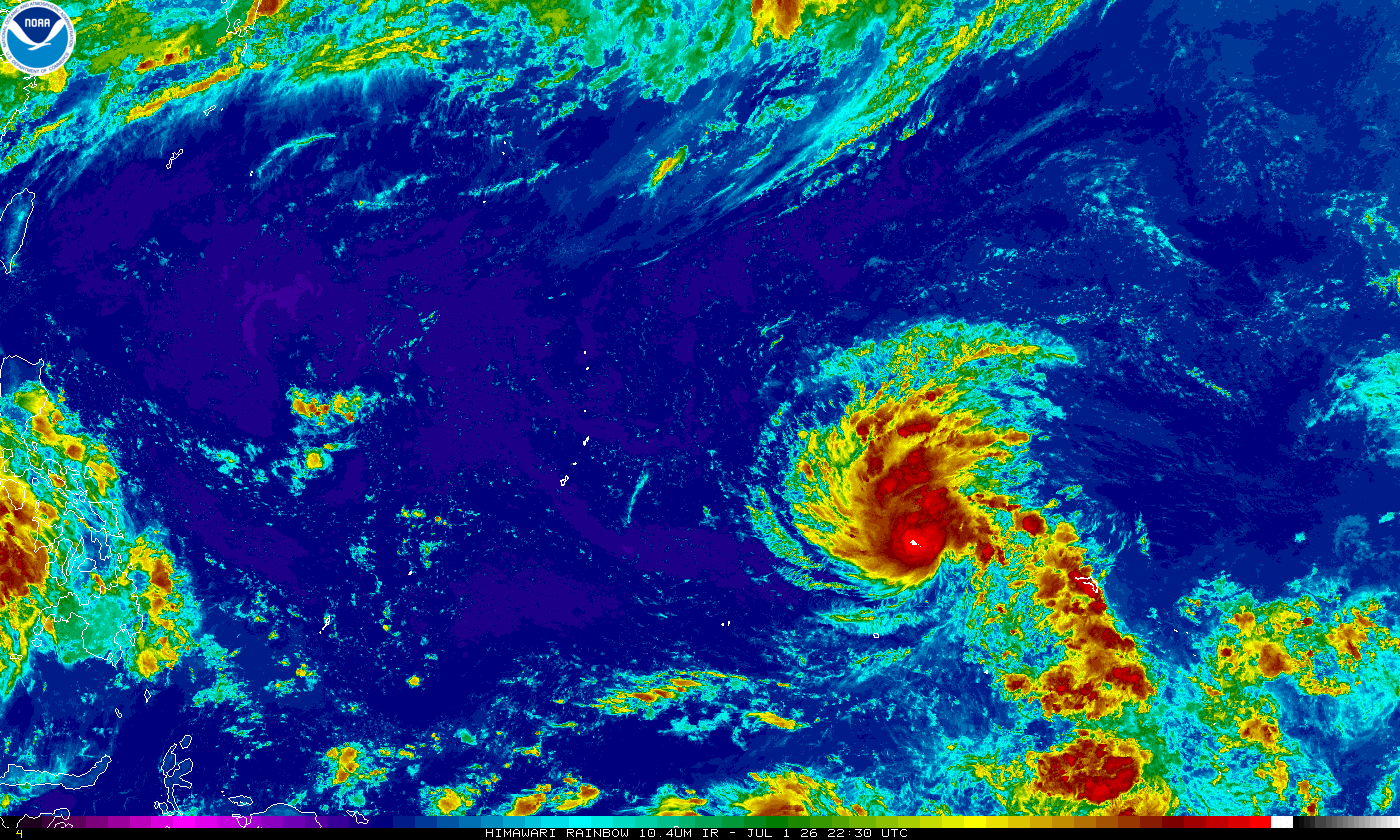
Marianas brace for potential category four super typhoon as Tropical Storm 09W intensifies
Emergency management agencies across the region are urging residents and businesses to execute disaster preparedness plans as Tropical Storm 09W is forecast to rapidly intensify and potentially strike Guam and the Northern Mariana Islands as a Category four super typhoon.
Read More