According to Artefact Magazine, matcha has transcended its niche status to become a global mainstream staple and lifestyle statement. Driven by its vibrant aesthetic, health benefits, and social-media appeal, the global matcha market reached an estimated value of $4.5 billion in 2024 and is projected to surpass $5.7 billion by 2027.
We’ll see if instagrammable matcha surpasses longtime beverage leader coffee as the drink of choice in the morning or at meetings around town. Will matcha beat the appeal of healthy smoothies for their grab and go ease? Could matcha cause sodas to lose some of their sparkle and market share?
Matcha made in heaven
BY SKYLER OBISPO
Journal Staff
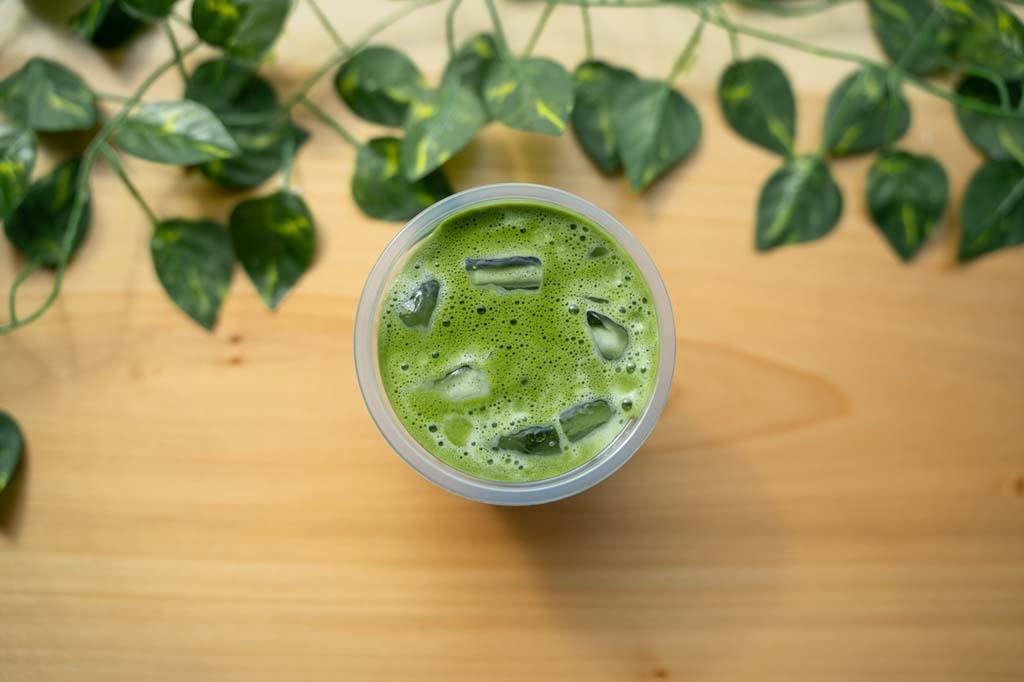
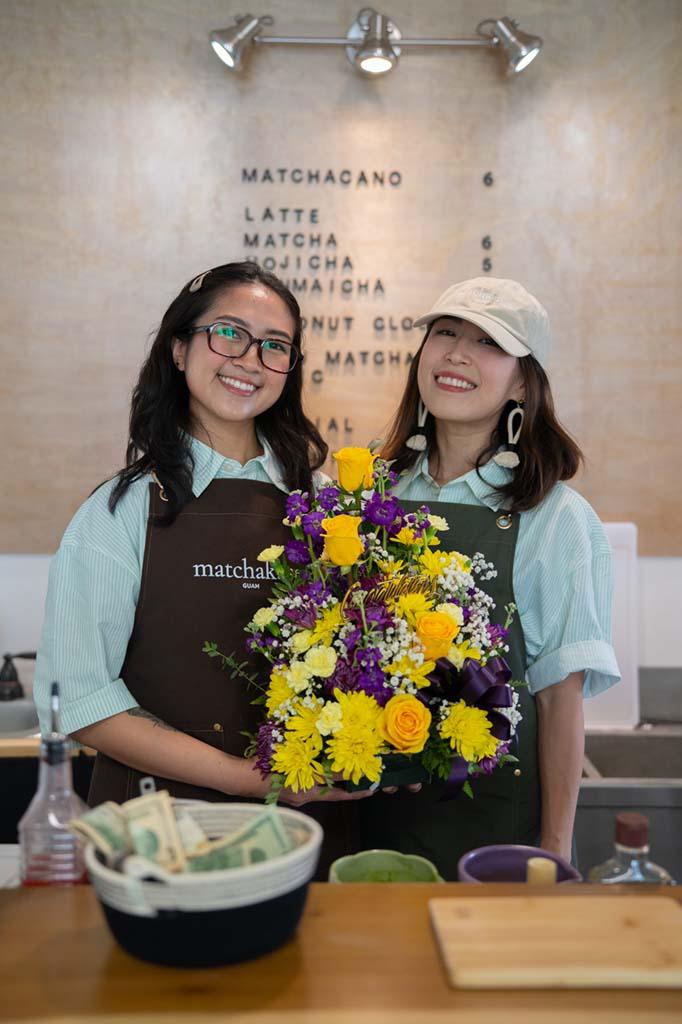
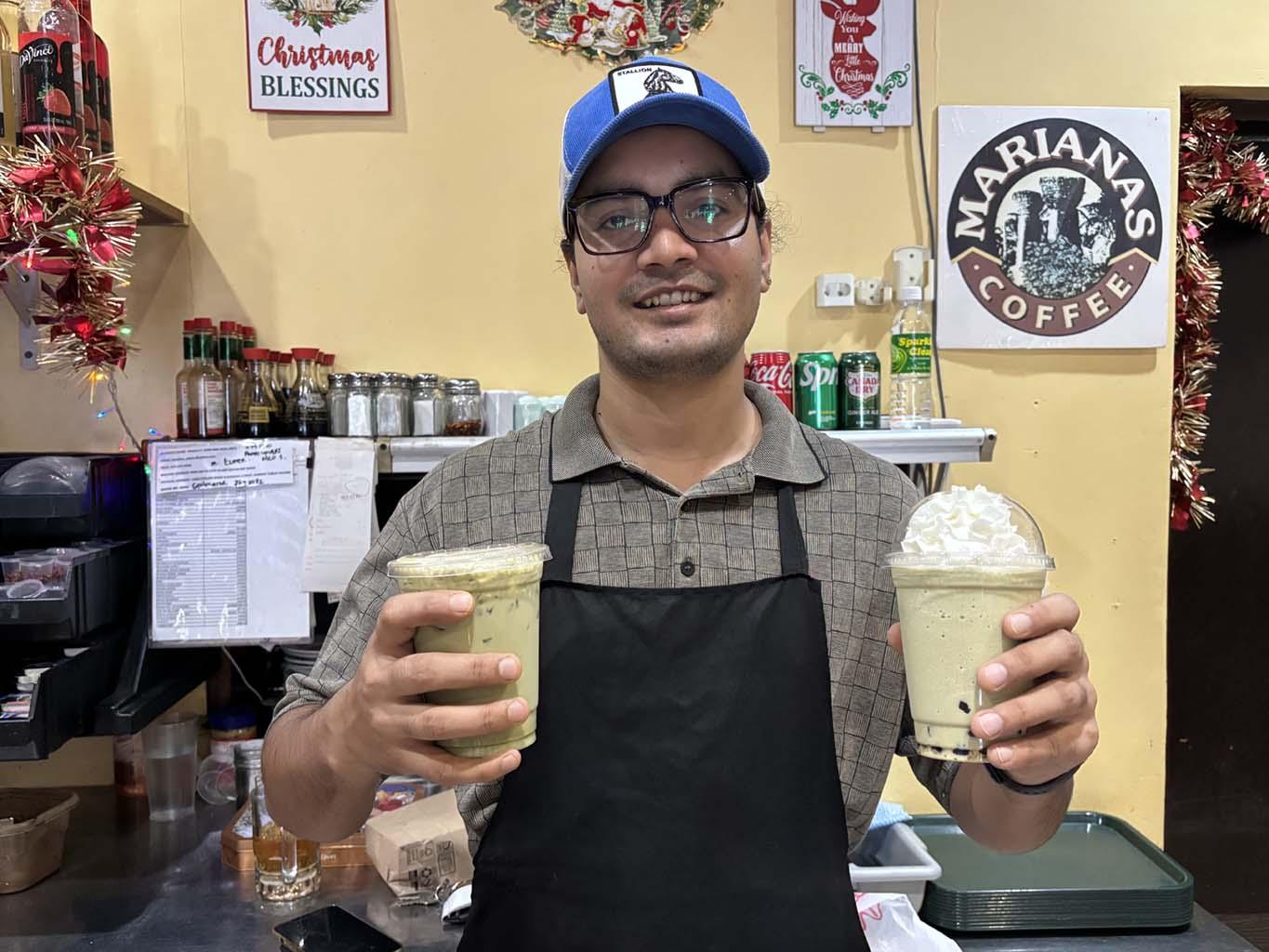
(From left) Alviz and BariBright green, earthy, and unmistakably bold, matcha has become one of the most recognizable beverages of the social media age — photographed almost as often as it is consumed.
As the drink’s virality continues to grow among younger consumers, cafés and dessert shops in Guam are reflecting a broader lifestyle shift that blends tradition, wellness, and modern aesthetics.
Grace Bari, co-owner of Matchakase, said matcha’s appeal is largely visual. Its vibrant green color makes it “Instagrammable,” she said, helping fuel its popularity among social media users ranging from high school students to adults in their early to mid-20s.
The rise of matcha also coincides with increased interest in Japanese culture and wellness-focused activities such as yoga and Pilates. Co-owner Rochelle Alviz said matcha is often viewed as a healthier alternative to coffee.
Matcha is a powdered Japanese green tea rich in antioxidants, which researchers say may help reduce the risk of heart disease, lower cholesterol, and improve cognitive function. Alviz said matcha’s caffeine effect is also more gradual than coffee.
“It’s like a slow rise and a slow fall,” she said. “Coffee gives you a spike and then a drop. Matcha is just more sustainable energy-wise.”
The drink’s ritualistic preparation and calming qualities also align with a growing interest in mindfulness.
Even established brands are leaning into the trend. Cinnabon, best known for its cinnamon rolls, introduced matcha-based beverages in 2025 under its “Månnge’ Matchas” lineup, which includes hot and iced matcha lattes and matcha frappes with strawberry or chocolate swirls.
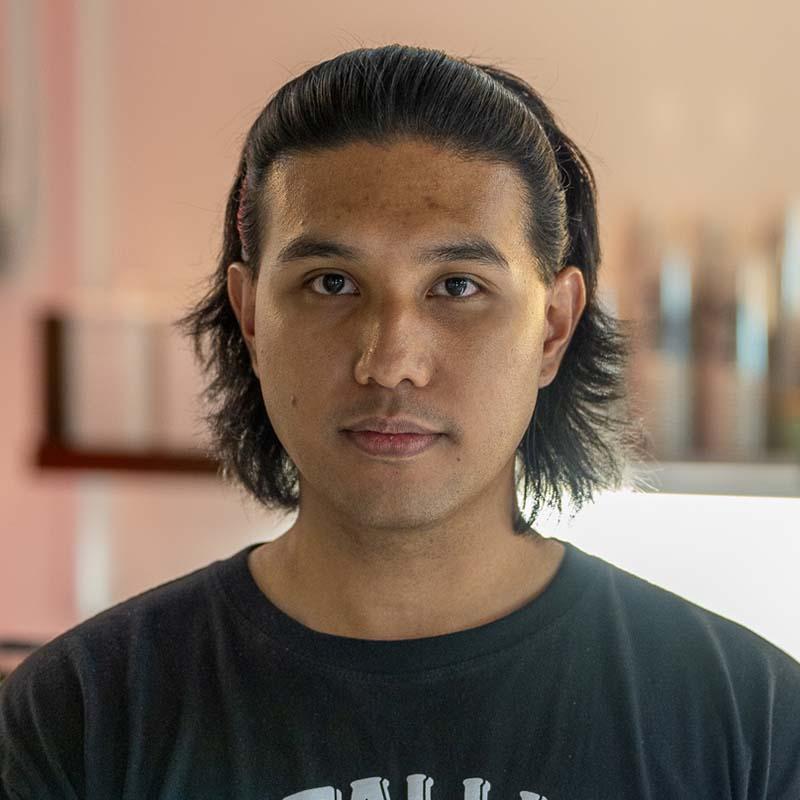
Christopher Eustaquio, general manager of Cinnabon Guam, said matcha had been on the company’s radar since early 2025. He agreed that its vivid green color makes it especially appealing on social media and noted that many coffee drinkers are gradually switching to matcha.
“The demand was undeniable,” he said. “Guam has a strong appetite for what’s new, and we’ve made it a priority to align with trends set by our Cinnabon sister locations across Asia.”
EustaquioWhile customer feedback has been mixed, Eustaquio said the overall response has been positive. Locals tend to favor sweeter, more inventive recipes, while visitors often prefer classic matcha flavors.
Matcha’s popularity has also driven rebranding efforts. Former Mad Bingsu Dessert Café, rebranded as Matcha N Musubi in October to reflect growing demand for its matcha offerings. However, Emilio Perez, general manager, said matcha had long been a staple on the menu — even before the trend peaked.
“We already had matcha drinks and matcha bingsu,” Perez said. “Customers started asking if we could make more drinks using it.”
PerezMatcha N Musubi now offers 29 matcha-based drinks and uses both Japanese and Korean matcha powders. Perez said Korean matcha tends to be sweeter than its Japanese counterpart.
Perez also noted that many local customers prefer sweeter versions of the drink, though a smaller group seeks out traditional matcha’s more umami-forward flavor.
While trends may come and go, matcha appears poised to remain. Eustaquio said Cinnabon plans to continue refining its recipes, while Perez said the café will work to sustain the momentum.
Bari and Alviz said matcha’s role as a coffee alternative could cement its place as a long-term staple in cups across Guam.
Matcha ado about something in Saipan
BY MARK RABAGO
Saipan Correspondent
Matcha drinks are exploding on Saipan’s café scene — so much so that other beverages are turning green with envy.
Kathleen Tolentino, manager of Java Joe’s Saipan, has seen the rise of the trendy drink firsthand, with the Dandan café going to great lengths to accommodate customers’ matcha preferences. “Our customers can always let us know how they want it — hot, iced, cold, or blended. Sweet or not sweet. Some even like their matcha with espresso,” she said. “We initially don’t serve it with espresso, but we have customers who ask to add a fresh shot — the ‘dirty’ style. It’s been a huge hit for those who need a serious energy boost without sacrificing the earthy green tea flavor.”
The dirty matcha, served hot or iced, has become a surprise favorite. “The sweetness helps mellow out the espresso, while the espresso adds a deep, savory complexity,” she said.
Tolentino said matcha pairs exceptionally well with oat, almond, or soy milk, enhancing its natural creaminess — an option popular among lactose-intolerant and health-conscious customers. Meanwhile, Java Joe’s frozen matcha mochaccino has become a summer staple, turning a healthy tea into a refreshing indulgence.
Java Joe’s matcha lineup also includes a matcha green tea latte and frozen matcha.
“The matcha green tea latte is our classic,” Tolentino said. “We steam your choice of milk … with our matcha powder for a smooth, creamy finish. If you want to level it up, we recommend adding vanilla or white chocolate for extra sweetness.”
As for the frozen matcha, it’s exactly what the drink doctor ordered on a hot day. “We blend the matcha with ice and our own milk-base mix into a refreshing, slushy-style treat — with or without tapioca pearls. You can also let us know if you want it with espresso or without,” she said.
Tolentino noted that nearly everything is customizable.“You can always substitute dairy alternatives like oat, almond, or soy milk, or add flavor shots like vanilla, strawberry, peppermint, raspberry — pretty much any flavor,” she said.
Java Joe’s uses high-quality green tea powder sourced off-island directly from its supplier to achieve the right balance of earthy and sweet.
At Hafa Bean in Garapan, owner Kristine Hofschneider said matcha is the café’s most popular non-coffee beverage in 2025, based on point-of-sale data. “We serve a lot of coffee, and matcha is right under that,” she said. “I would definitely say it’s our most popular non-coffee drink.” Matcha started out as an afterthought at Hafa Bean.
“If you look at it on our menu, it was next to the soda, so I see why people kind of forgot about it,” Hofschneider said. “They’d say, ‘Oh, matcha soda — what is that?’ Someone actually ordered it once because it looked like a matcha soda.”
She credits social media for matcha’s rise, as customers post their orders online and keep coming back after tasting it.She said Hafa Bean’s matcha stands out because it lacks the grainy texture common elsewhere.
“Our matcha is higher quality — not ceremonial grade, but high-grade — so it mixes really well,” she said. “You can order it alone or blended, and that blended consistency is what really makes it different.”
Among Hafa Bean’s top sellers are coconut matcha and salted caramel matcha, though experimentation is encouraged.
“We can curate a lot of flavors, and it’s customizable,” Hofschneider said. “If we have it, we can do it. Banana matcha has been super popular — we call it Banana Blast. It’s a toasted marshmallow mocha matcha with banana sweet cream. Trends come and go, and banana was one we hopped on.”
At Coffee Stop near Northern Marianas College, Barista Dina Cabrera said matcha is also among the most popular drinks.
“A lot of customers say our matcha is really good,” she said, estimating that five out of every 10 customers order matcha.
That wasn’t always the case. “Maybe early last year or the year before, that’s when it really started selling well,” she said. “Before that, it wasn’t as popular, but once it became a trend, people kept coming back for it.”
Coffee Stop’s top matcha flavors include matcha strawberry tea, matcha latte, and matcha frappe.
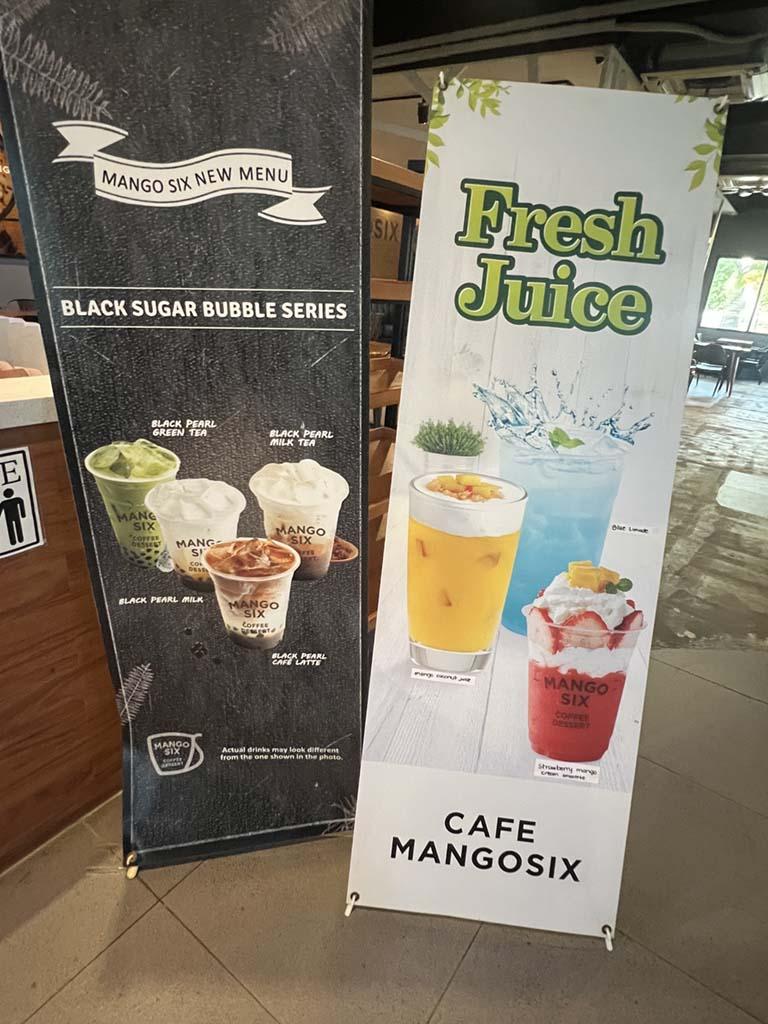
Even CafeMango Six — known primarily for mango smoothies — has taken notice.
“We only sell a regular matcha latte, and it’s usually our best seller,” said Staff Member Mary Salinas. “A lot of people like it with pearls.” CafeMango Six’s matcha latte comes with no added sugar, relying solely on its powder blend.
Still unconvinced about matcha’s popularity? Let’s hear it straight from the horse’s emerald-colored mouth. Marianas High School student Keliv Lumbana said he drank so much matcha during a recent vacation in Manila that he was “sweating bullets of green.” The 15-year-old said, “Aside from its great taste, I like matcha because of the health benefits. It’s also a good source of caffeine. I try to get matcha at least once a week, usually while I’m studying.”
Rachel Villasis, a 23-year-old nursing student at Northern Marianas College, said she got hooked on matcha as a coffee replacement.
“Coffee often upsets my stomach, and after trying matcha, I was instantly hooked,” she said. “I’ve always liked sweet drinks, and matcha has such a distinct, earthy taste that I never get tired of.” Despite her matcha madness, Villasis said her matcha habit didn’t bankrupt her. “These days I make my own, but before that I was buying it two to three times a week,” she said. mbj
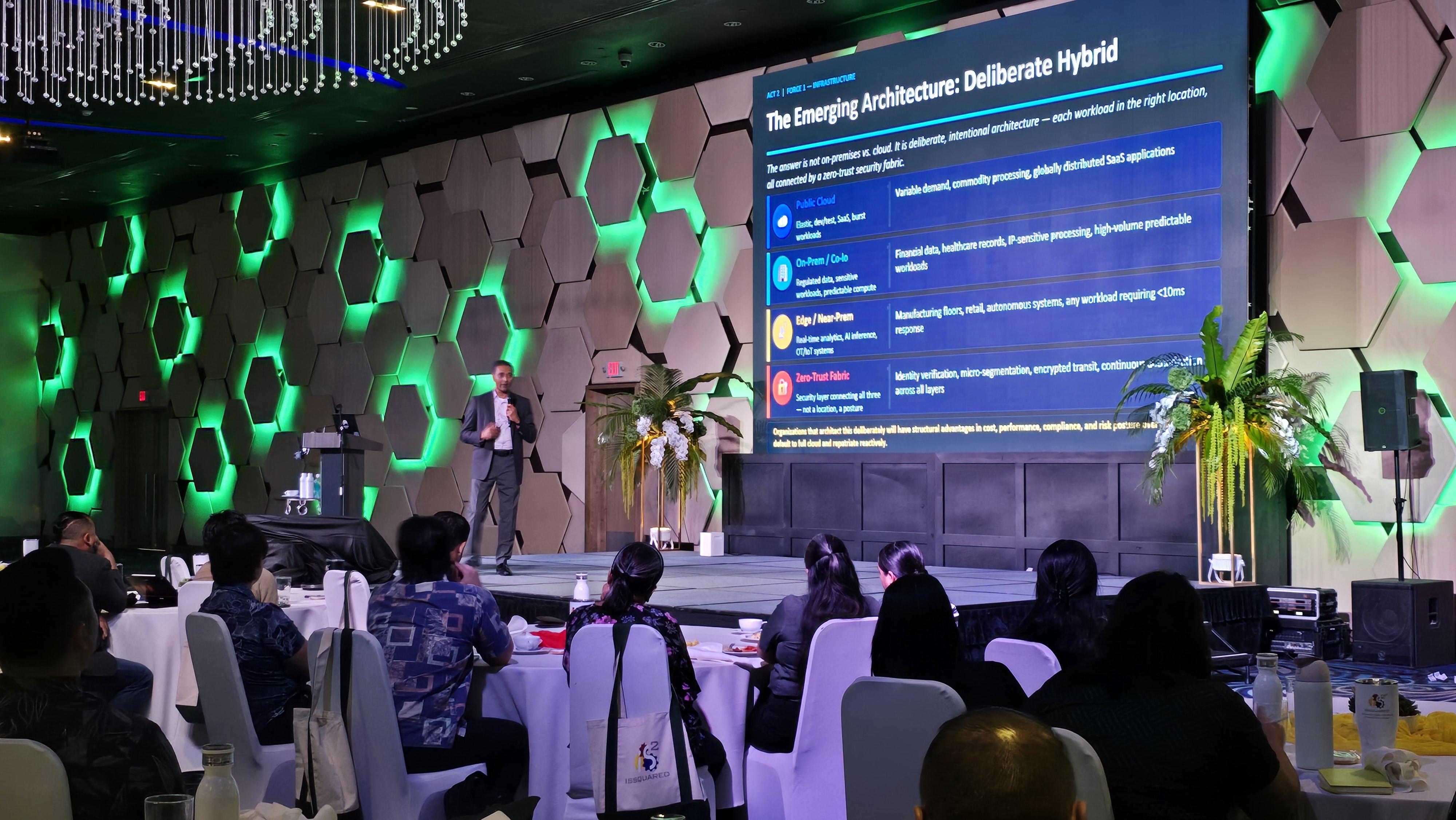
Rapid advancements in artificial intelligence, escalating cybersecurity threats, and mounting physical power grid constraints are forcing regional business leaders to fundamentally overhaul their technology strategies, shared to industry experts during a technology conference held on July 23 at the Dusit Thani Guam Resort.
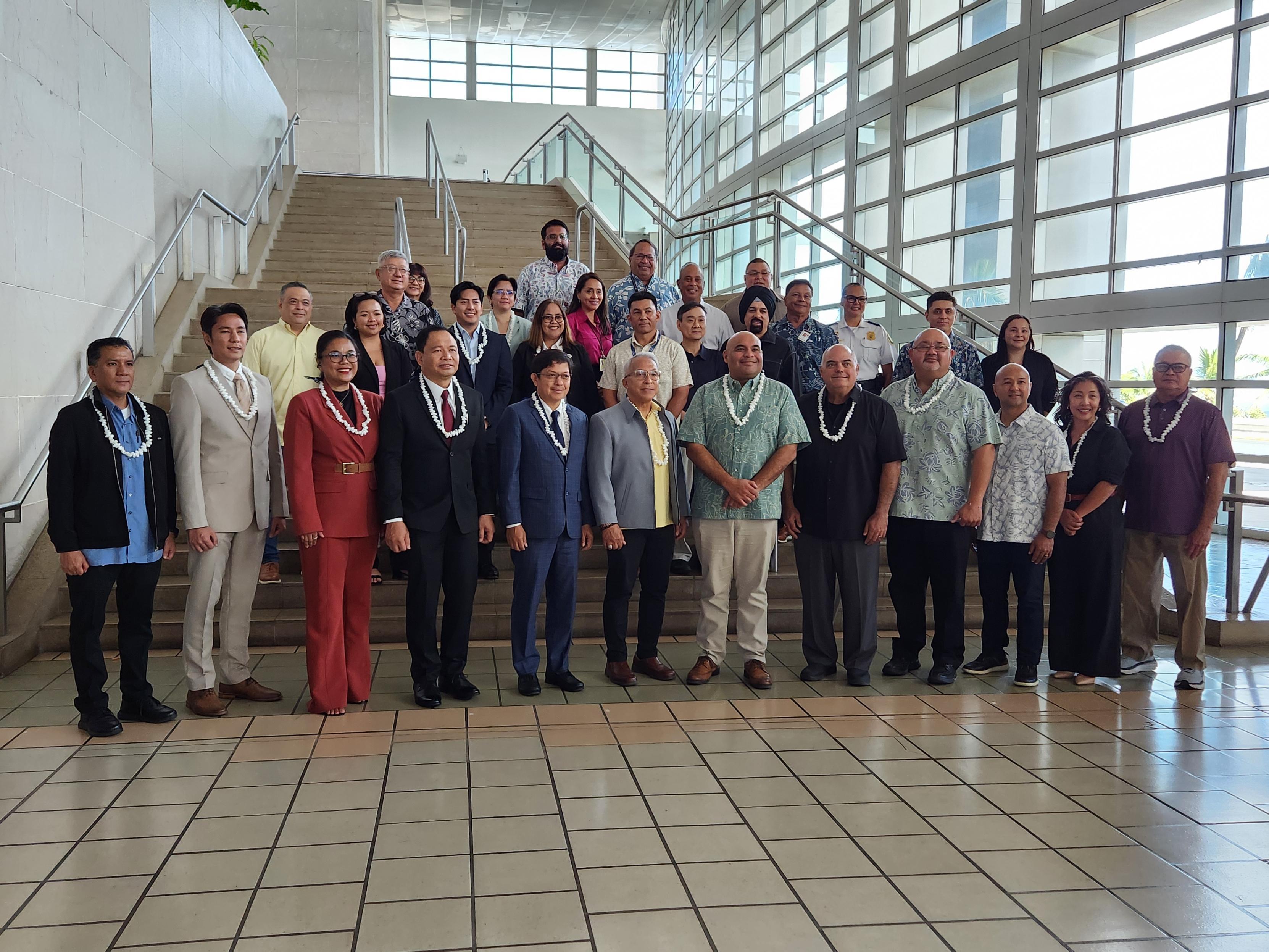
Regional leaders, government officials, and industry executives gathered at the Guam International Airport Authority on Wednesday, July 22 for the inaugural session of the Guam-CNMI Visa Waiver Working Group, driving a unified regional effort to expand the Guam-CNMI Visa Waiver Program to include the Philippines.
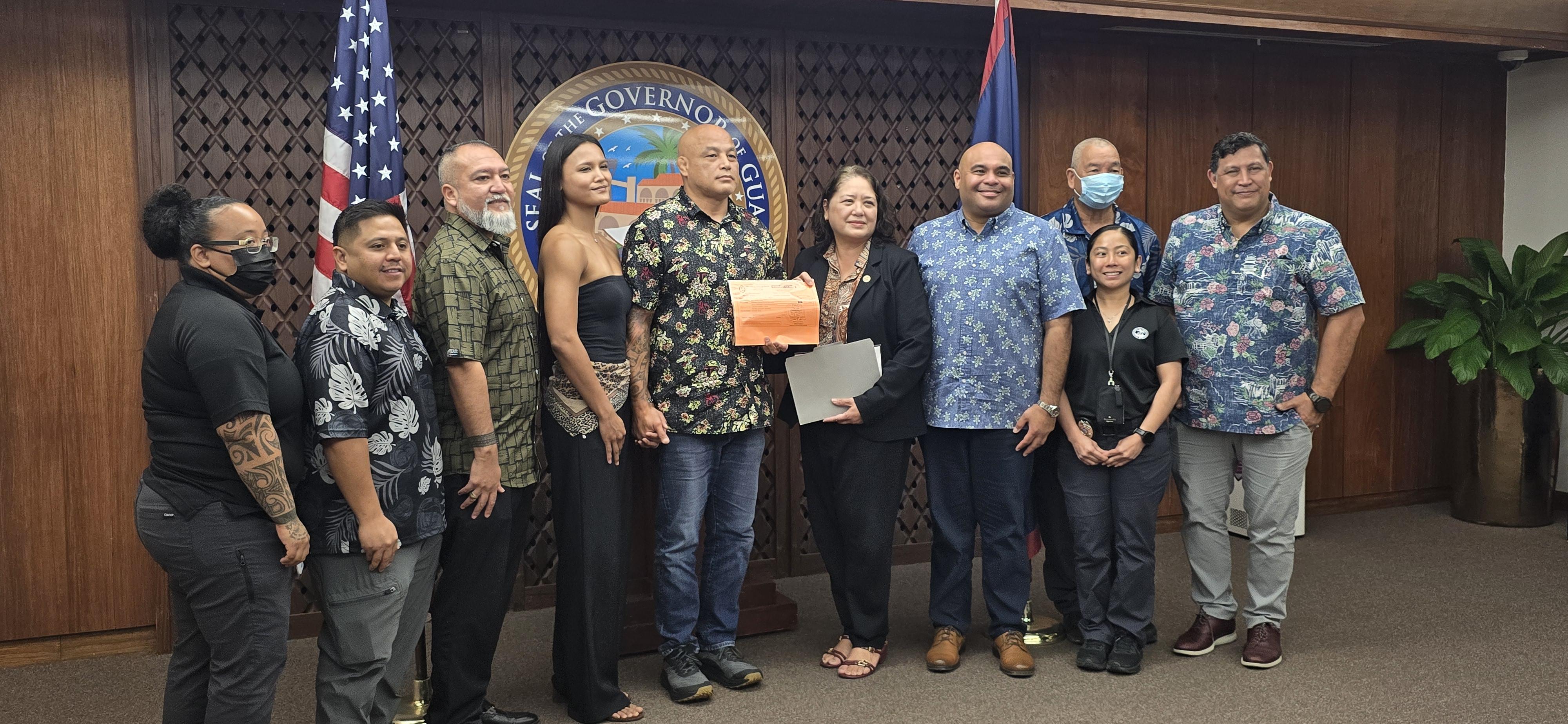
The commercial adult-use cannabis industry on Guam has officially launched following the issuance of the island's first recreational cannabis cultivation license to local grower Stephen Roberto, operator for Deep Green Guam of Guam Real Deal, LLC.













 Java Joe’s uses high-quality green tea powder sourced off-island directly from its supplier to achieve the right balance of earthy and sweet.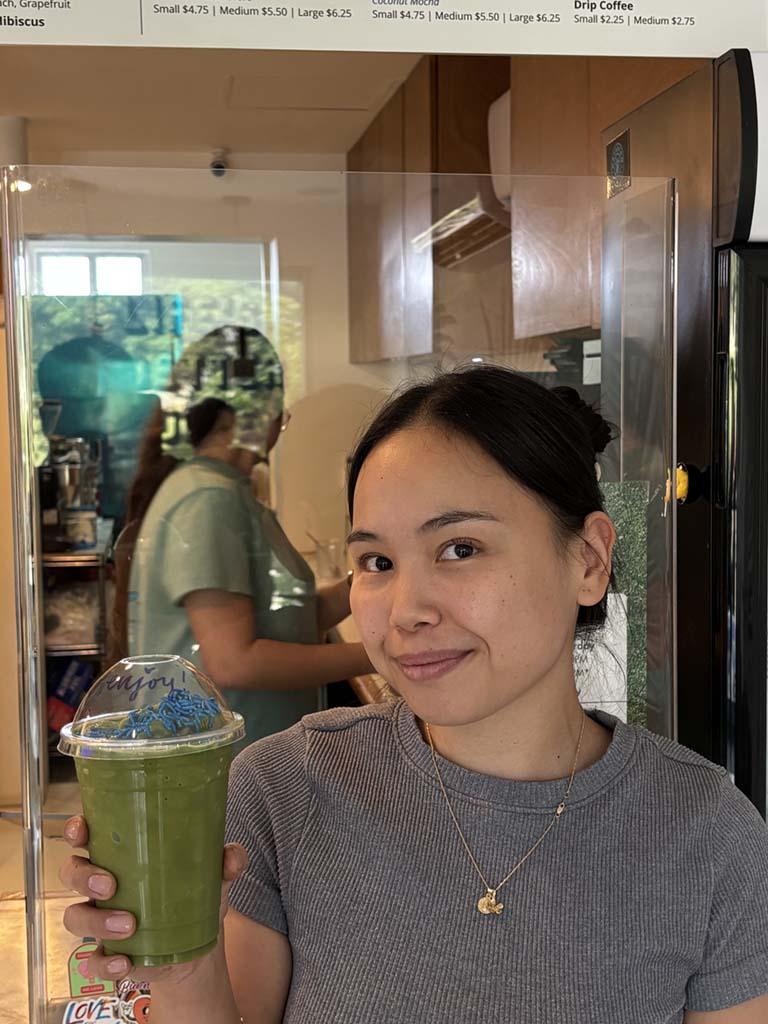
 Among Hafa Bean’s top sellers are coconut matcha and salted caramel matcha, though experimentation is encouraged.
 That wasn’t always the case. “Maybe early last year or the year before, that’s when it really started selling well,” she said. “Before that, it wasn’t as popular, but once it became a trend, people kept coming back for it.”