Carpe diem: Guam restaurateur seizes the opportunity
BY MAUREEN N. MARATITA
Journal Staff
A chance discussion between Casey Castro, chef and owner of Capital Food Group with a fellow chef and owner and chef led to an addition to Castro’s group and an additional jump in assets that he wasn’t expecting.
Waen Trombetta, better known as Mama Lek, was the longtime owner and chef at Ban Thai Restaurant & Lounge in Tumon.
Mama Lek was ready to retire and told Castro so.
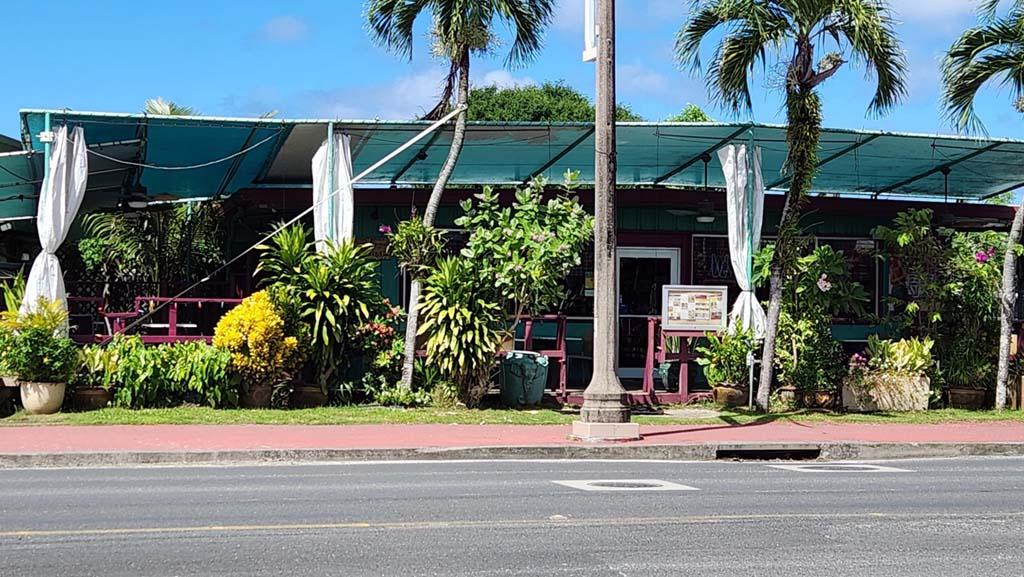
Ban Thai Restaurant has an exterior patio and parking on its property in Tumon. Photo by Maureen N. Maratita
The restaurant is an institution and not only that — the location has a history all of its own.
“It’s one of the landmark restaurants of Tumon,” Castro said. Longtime residents may remember the restaurant as Leo’s, and the VW Beetle that stuck out of the front wall of the building.
Castro has a laundry list of upcoming plans and commitments to keep him busy, and yet opportunity knocked, with Ban Thai.
“It fits our format,” he said, as the restaurant uses the whole property, also offering outside dining and parking as Capitol Kitchen does.
As savvy businesspeople know, sometimes you just trust your professional instinct, and Castro did just that, and discussed purchase.
Castro“We kicked it around,” he said. Eventually a price was agreed, but what added to the attraction, was another plus of Ban Thai’s location. “I live down the street from it,” Castro said.
Also recognizing the restaurant’s longevity, Castro said, “In acquiring Ban Thai, we decided to keep the name.”
The restaurant’s ambiance is also a positive, he said, although Castro does foresee changes.
“It has that homey feel; it’s very cosy. Our group – we have a lot more energy … Our plan is to modernize but not take away the energy of the restaurant.”
The Ban Thai purchase came despite other plans and recognition of what he was adding to his workload. “There were three other projects ahead of Ban Thai; it cut the line. …We have a lot going on in catering, and we got this done in November-December – the busiest time. In mid-November talks intensified and January 1st we were able to take it over.”
Castro also recognized that what is tourism’s prime location has its challenges. “Tumon is not exactly the most attractive place to do business these days.”
The restaurant was formerly managed by International Dining Concepts.
Castro has plenty to keep him busy.
He moved to the Capitol Kitchen on Route 10a, better known as airport road in 2022, hosting the grand opening on July 22 that year. Less than a year later he was dealing with significant damage to the property by Typhoon Mawar in May 2023. The restaurant has a steady local clientele due to its menu and location, and the restaurant and its bar are popular for events. “The local community has supported us. We’re proud and grateful for the local clientele,” he said. Capitol Kitchen has also hosted a slate of events with beneficiaries through the Sentry Hospitality Corp.’s iCare4 series of wine dinners.
In addition, Castro told the Journal, “We’re currently building a couple of restaurants.” Those projects come at a significant cost he said.
Castro has also qualified for the Guam Economic Development Authority’s Destinu Guahan program, which would offer a focus on unwanted produce that is rejected because of cosmetic imperfections. “That’s an entirely different project,” he said.
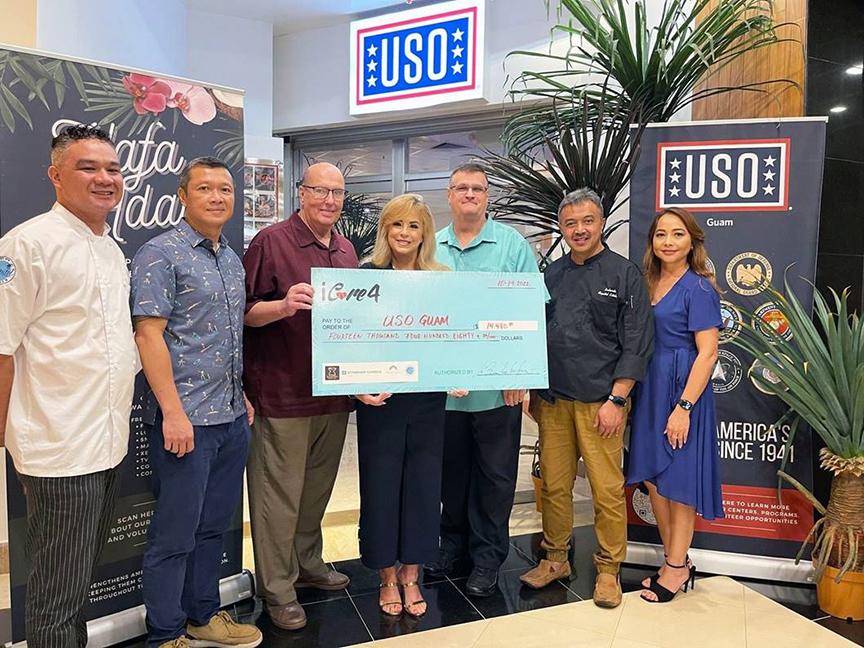
The iCare4 Wine Dinner held at the Capitol Kitchen in aid of the United Service Organizations generated $14,480 for the USO. From left) Casey Castro, chef and owner, Capitol Kitchen; Sunardi Li, president, Sentry Hospitality; Bruce McKenzie, director, Sentry Hospitality; Leigh Leilani Graham, area director, USO Guam; Keith Markowski, director, Sentry Hospitality; Suharto Suharto, executive pastry chef, Capitol Kitchen; and iCare4 event coordinator Valerie Carbullido, director of sales and marketing, Sentry Hospitality. Photo from Journal files
Locations have already been identified, Castro said, with “two in Agana, to include the GEDA project.” And he’s also begun pop-ups.
While the purchase price of Ban Thai was not disclosed, Castro did say that any group investment is self-financed.
He emphasized that his team members come from Guam. “We’re homegrown talent. It’s something for us to go out there, especially in an industry with challenges.”
Those challenges include “the cost of doing business in Guam. Aside from that there’s the staff. We put a lot of our finances into keeping our staff.” Employees have progressed within the food group, he said. “We’ve promoted people that started at a lower level.” The significant wages paid have led to other results, such as enabling employees to purchase homes. His team works hard, Castro said. “In return, the company rewards those staff. So, it’s a career and not a bridge to get to the next level.” mbj
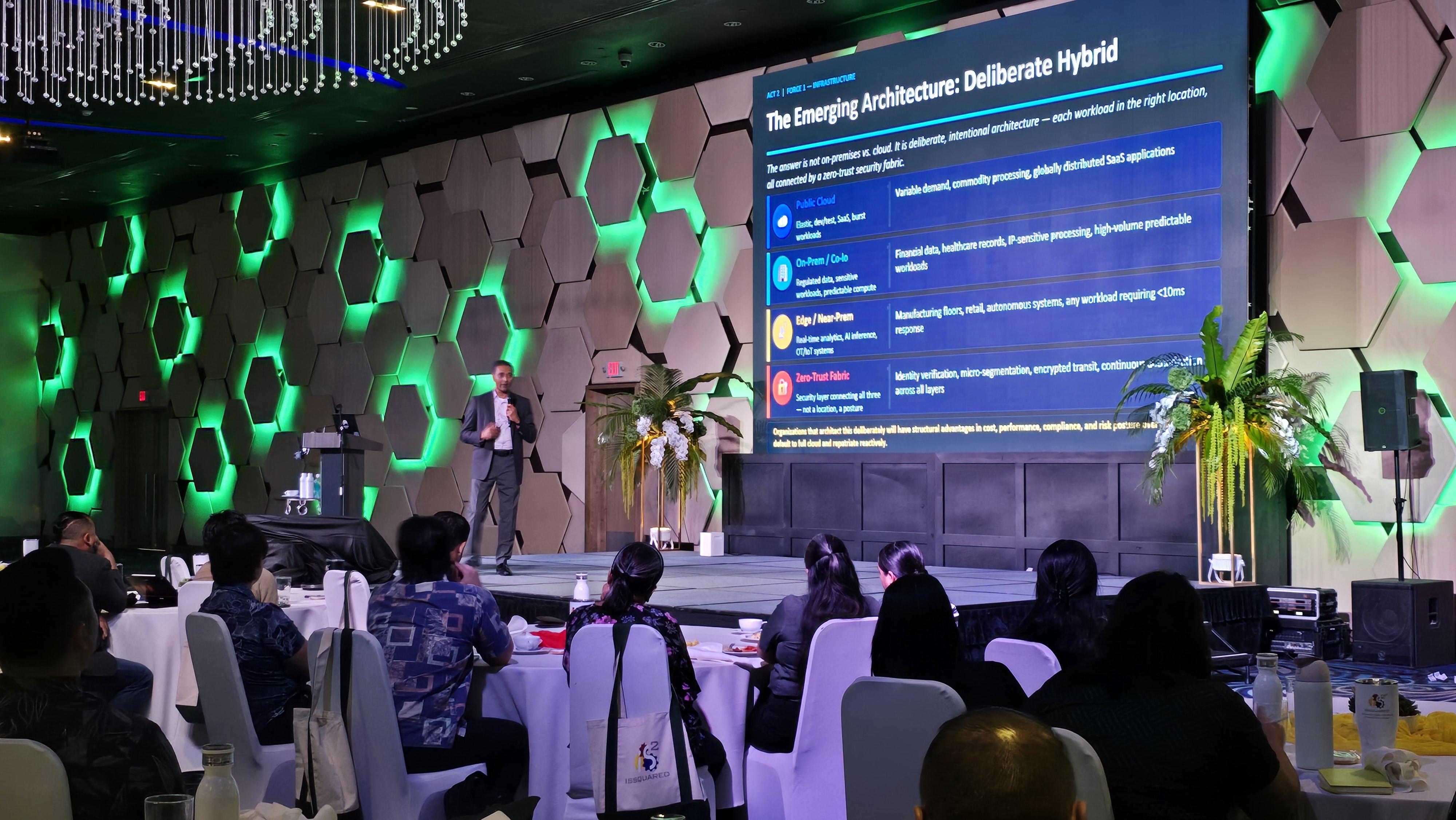
Rapid advancements in artificial intelligence, escalating cybersecurity threats, and mounting physical power grid constraints are forcing regional business leaders to fundamentally overhaul their technology strategies, shared to industry experts during a technology conference held on July 23 at the Dusit Thani Guam Resort.
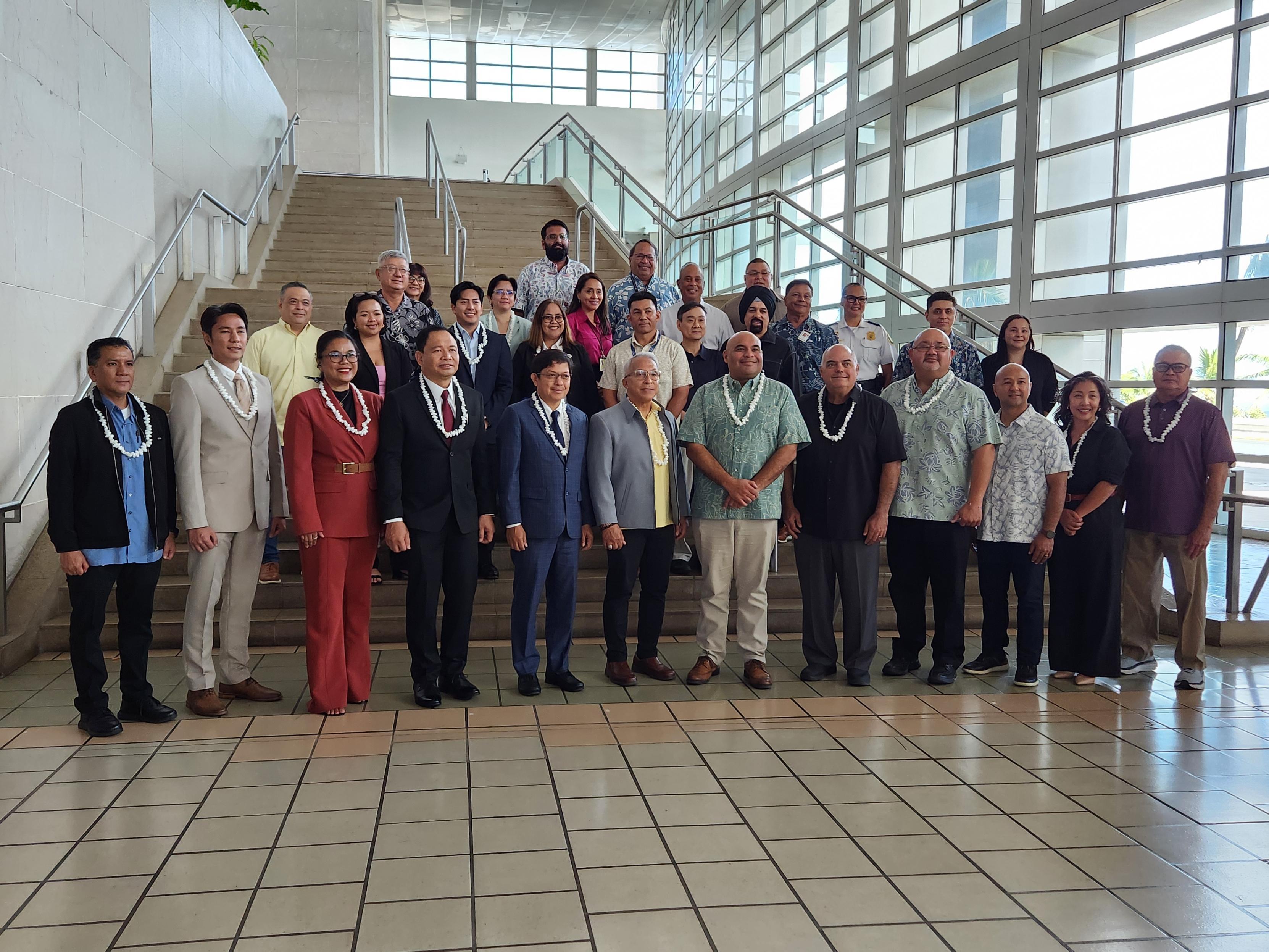
Regional leaders, government officials, and industry executives gathered at the Guam International Airport Authority on Wednesday, July 22 for the inaugural session of the Guam-CNMI Visa Waiver Working Group, driving a unified regional effort to expand the Guam-CNMI Visa Waiver Program to include the Philippines.
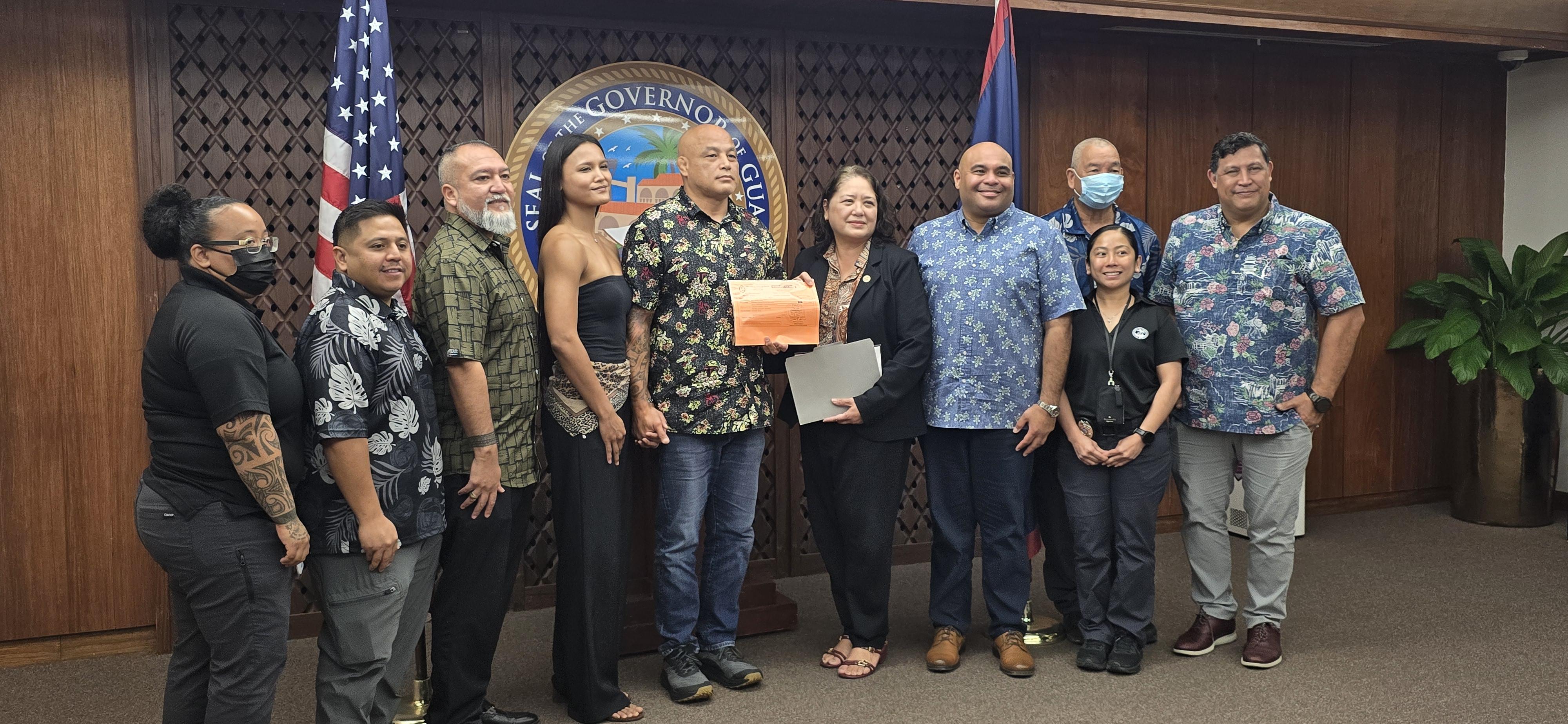
The commercial adult-use cannabis industry on Guam has officially launched following the issuance of the island's first recreational cannabis cultivation license to local grower Stephen Roberto, operator for Deep Green Guam of Guam Real Deal, LLC.