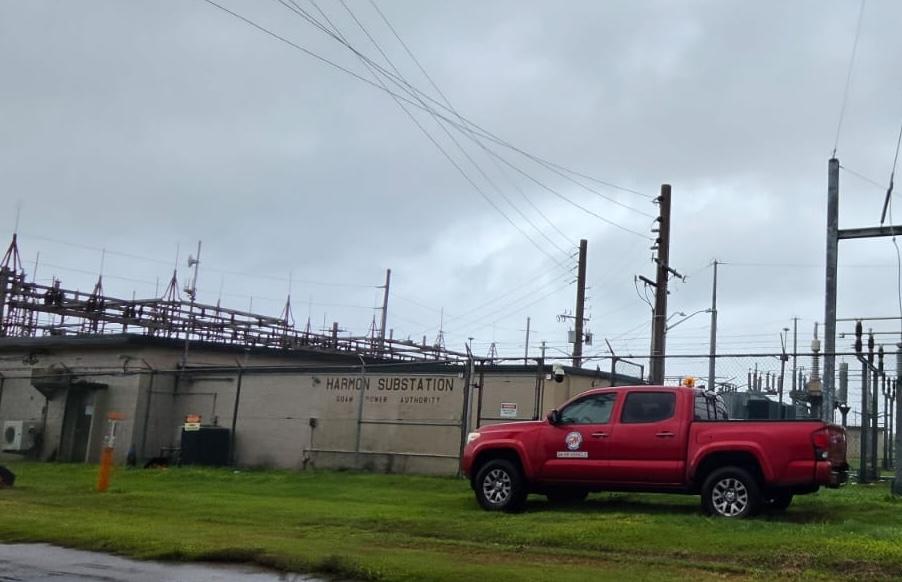










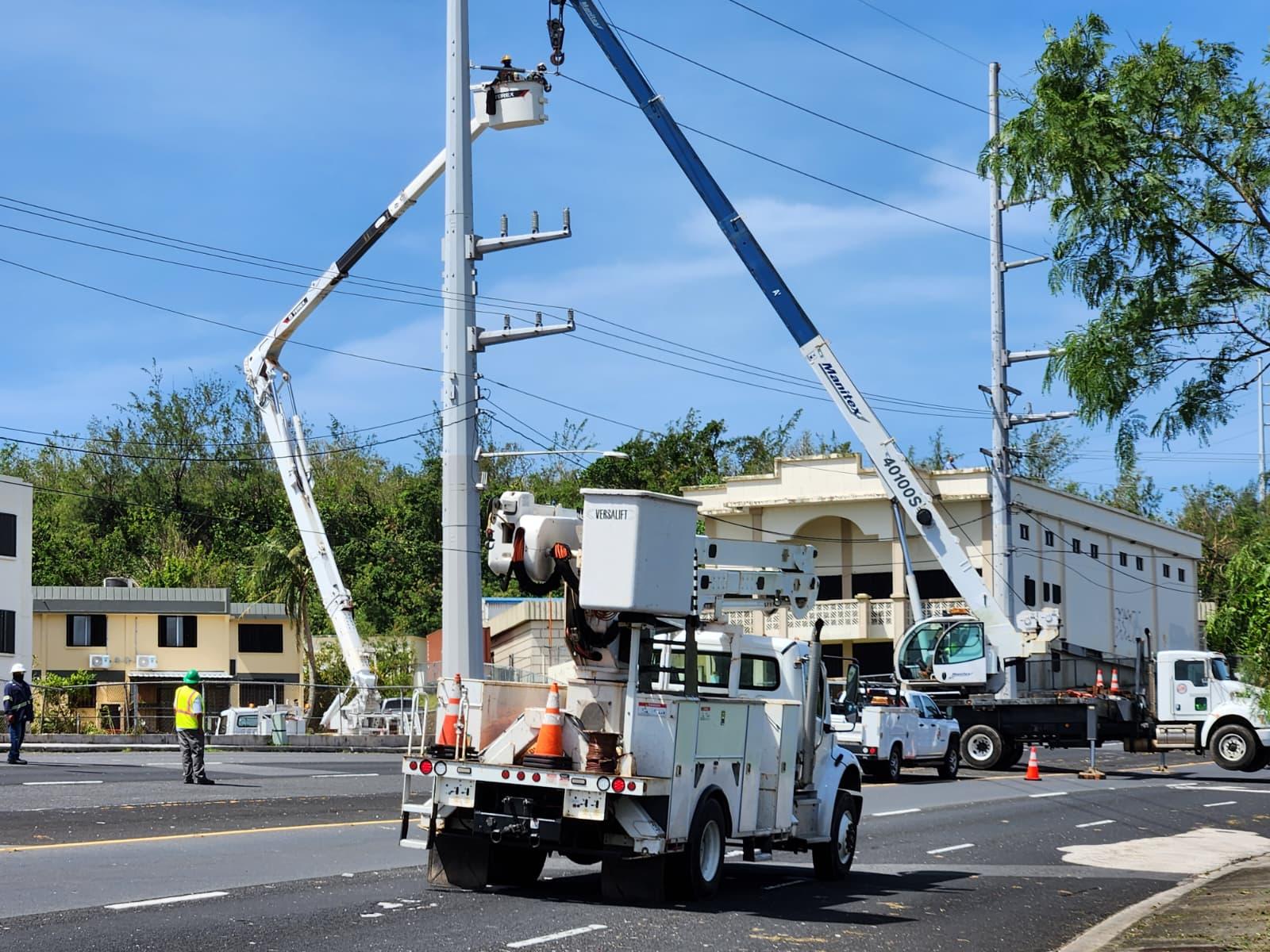
Six days after the island returned to Condition of Readiness Four following Super Typhoon Bavi, the Guam Power Authority has restored 89% of its total system load and energized 99% of its distribution feeders.
According to the latest GPA media release as of July 13, 2026, 10AM, the state of recovery has progressed sufficiently to launch phase three of post-typhoon restoration today, shifting manpower toward repairing localized infrastructure and extensive overhead grid damage.
The ongoing utility stabilization matches a broader resumption of regulatory and public services across the island.
The Department of Public Health and Social Services reopened its Division of Environmental Health Processing Section at 155 Hessler Place in Hagåtña today, enabling commercial entities to apply for health certificates, process sanitary permit renewals, and register controlled substances after an extended post-storm suspension.
As of Monday morning, 66 of the 67 island-wide distribution circuits were either fully or partially operational, backed by a total generation system capacity of 278 megawatts. This current output provides a comfortable buffer above the island's present load of 184 megawatts, with primary baseload power supplied by Piti Units eight and nine alongside Ukudu Power Plant combustion turbines.
Despite widespread transmission stability, utility officials are urging residents to remain patient as crews navigate isolated pockets of severe overhead damage, including defective transformers, broken hardware, and fallen bamboo trees tangled in power lines.
Joyce Sayama, communications manager of the Guam Power Authority, noted that weak points in the grid, such as compromised fuse cutouts and lightning arrestors, become visible as lines heat up during full restoration. Ratepayers experiencing localized outages or extreme voltage fluctuations are instructed to shut off their main electrical breakers to safeguard private equipment and prevent appliance damage.
Concurrently, the Guam Waterworks Authority continues around-the-clock efforts to rebuild water system pressure and fill depleted reservoirs. Data published in the Joint Information Center Recovery Release 21 indicates that approximately 1,947 customer accounts out of 43,643 remain without water service, primarily concentrated in parts of Dededo, Barrigada, Yigo, and several southern villages.
To date, 92 water wells are online, 73 connected to the island-wide power grid and 19 running on backup generator power, while 11 mobile water tankers have been staged in highly impacted neighborhoods to provide emergency residential relief. Strict commercial and residential compliance with emergency water conservation policies is being enforced to safeguard the island's water pressure recovery.
GWA inspectors are conducting field site visits to homes and businesses to eliminate unauthorized usage, such as vehicle washing and high-pressure washing. Over the weekend, inspectors secured immediate, voluntary compliance from two commercial car rental agencies found operating in violation of the emergency mandate.
Public health protection measures also remain active, including a precautionary boil water notice for any consumers who lost service for more than 48 hours.
Although all 104 water samples analyzed between July 07 and July 11 tested negative for total coliform bacteria, compliance technicians continue localized testing as additional distribution lines stabilize. Solid waste management efforts are scaling up in tandem with the utility repairs.
Centralized debris collection points located at Ypao Point in Tamuning and Tiyan in Barrigada are operating daily from 8:00 a.m. to 5:00 p.m. to receive green waste and eligible construction materials.
Jointly managed by the Department of Public Works and the Guam Environmental Protection Agency, these disaster recovery sites are scheduled to remain open until July 25, though monitoring officials are actively turning away unauthorized commercial dump vehicles to protect site capacity. mbj