US State Department bans Palau Senate president and Marshall Islands former mayor
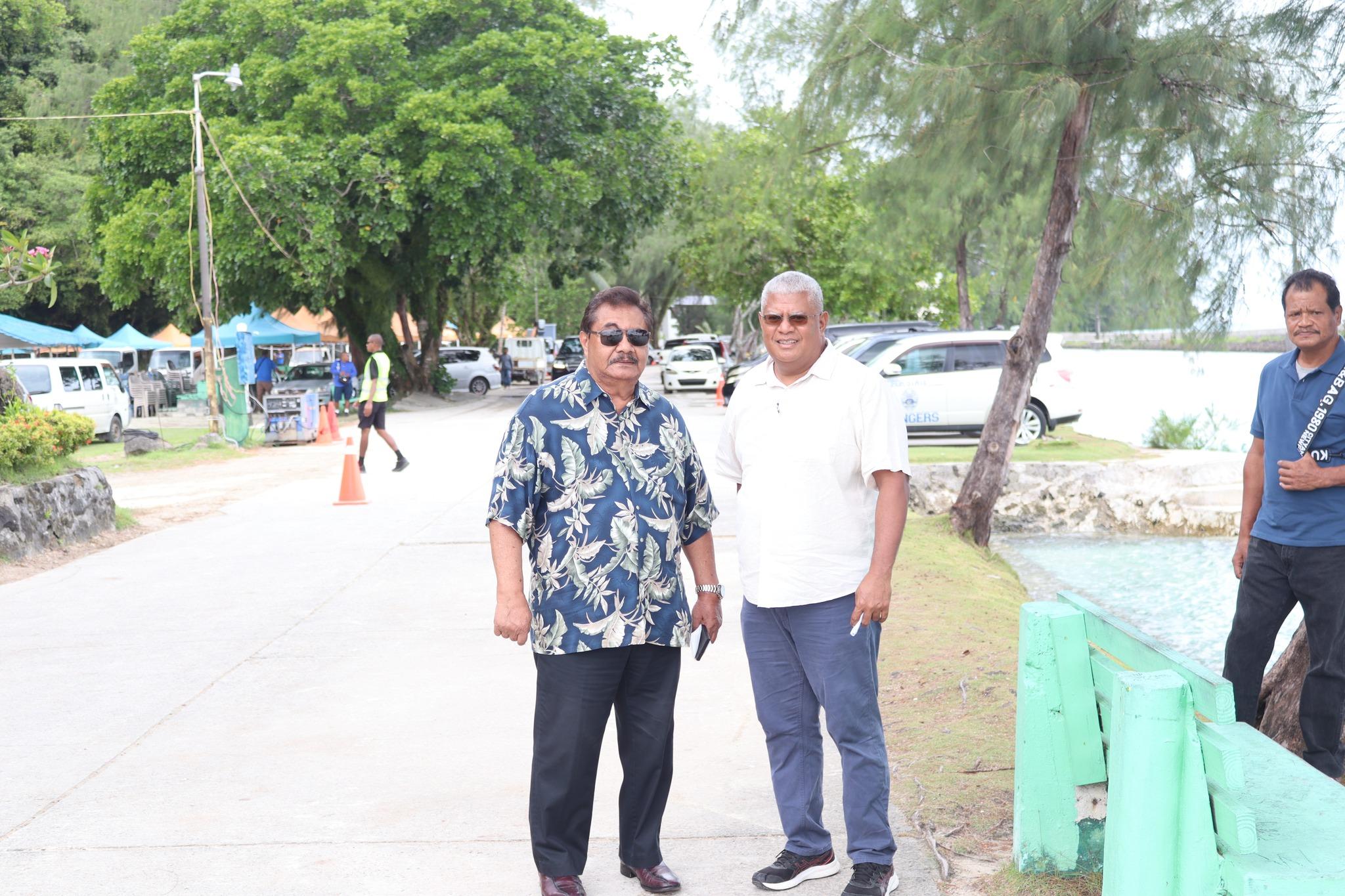
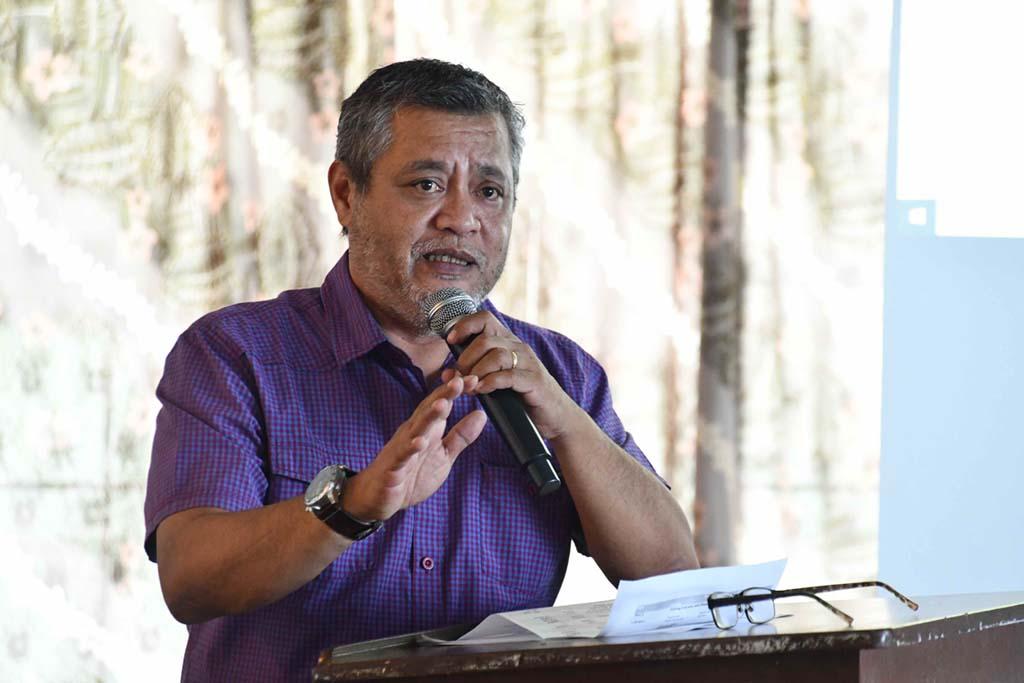
In a Feb 10 statement, the U.S. Department of State said it is “publicly designating Palau Senate President Hokkons Baules for his involvement in significant corruption on behalf of China-based actors.”
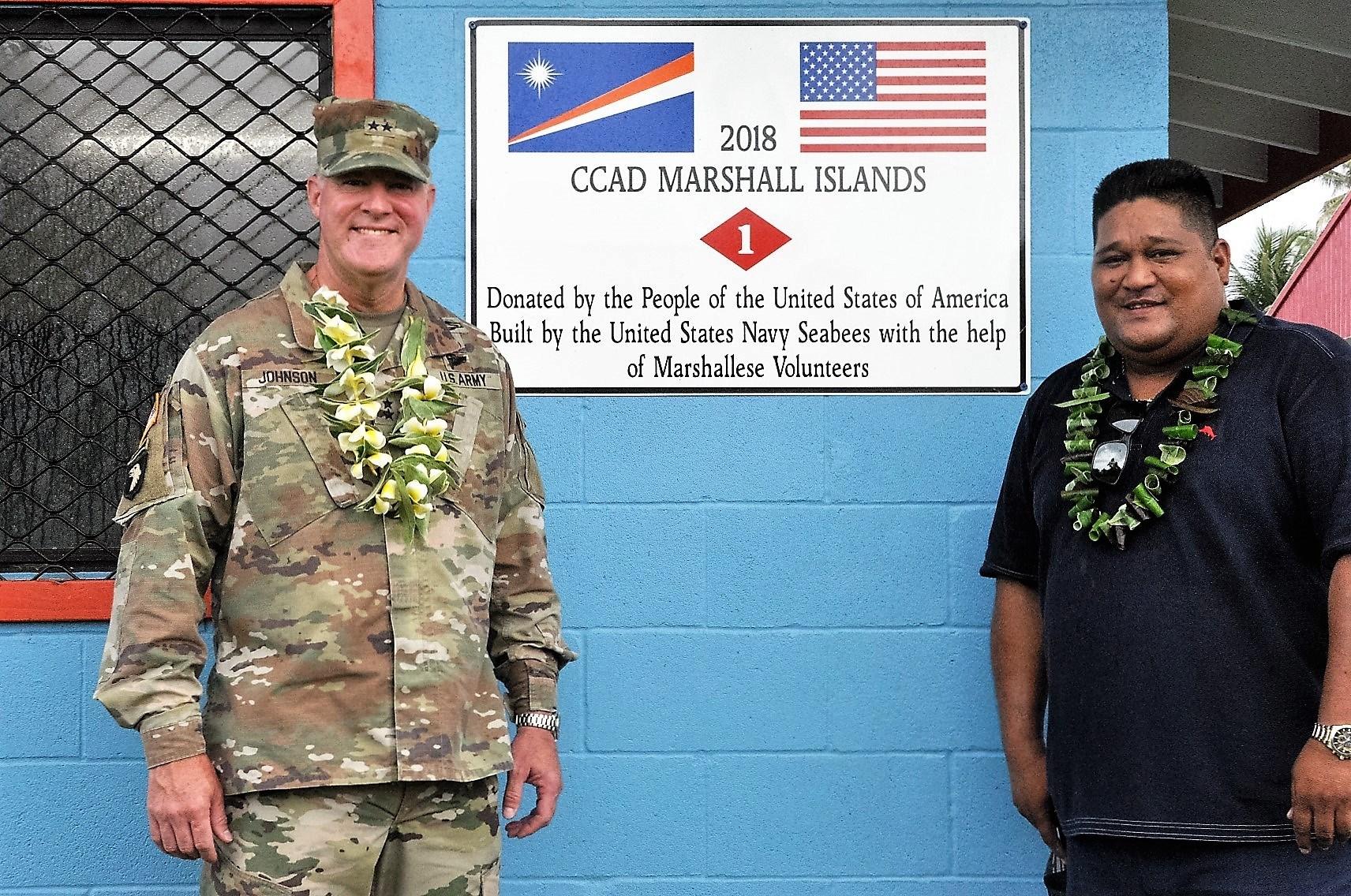
In addition, the department said it is publicly designating Anderson Jibas, former mayor of the Kili/Bikini/Ejit community in the Marshall Islands, “for his involvement in significant corruption and misappropriation of U.S. provided funds during his time in public office.”
In a Feb 10 statement, the U.S. Department of State said it is “publicly designating Palau Senate President Hokkons Baules for his involvement in significant corruption on behalf of China-based actors.”
These actions render Baules, Jibas, and their immediate family members generally ineligible for entry into United States, the statement said.
The statement by a spokesperson of the state department said, “Baules abused his public position by accepting bribes in exchange for providing advocacy and support for government, business, and criminal interests from China. His actions constituted significant corruption and adversely affected U.S. interests in Palau.” Baules is known in Palau as a vocal advocate for closer relations with the People’s Republic of China and was also against a U.S. proposal for Palau to accept third country asylum seekers.
“Jibas abused his public position by orchestrating and financially benefitting from multiple misappropriation schemes involving theft, misuse, and abuse of funds from the U.S.-provided Bikini Resettlement Trust, resulting in most of the funds being stolen from the Kili/Bikini/Ejit people who are survivors and descendants of survivors of nuclear bomb testing in the 1940s and 1950s,” the statement also said.
“The theft, misuse, and abuse of the U.S.-provided money for the fund wasted U.S. taxpayer money and contributed to a loss of jobs, food insecurity, migration to the United States, and lack of reliable electricity for the Kili/Bikini/Ejit people. The lack of accountability for Jibas’ acts of corruption has eroded public trust in the government of the Marshall Islands, creating an opportunity for malign foreign influence from China and others” the department said.
Jibas reportedly lobbied for Bikini Islanders to manage the Bikini Resettlement Trust Fund when he became mayor in 2016. When Douglas W. Domenich, assistant secretary at the U.S. Department of the Interior’s Office of Insular Affairs, agreed, Bikini leaders were authorized to take over the funds. A series of expenditures and investments saw the fund dwindle, and a relied-upon source of income for Bikini Islanders dried up.
“The United States will continue to promote accountability for those who abuse public power for personal gain and steal from our citizens to enrich themselves. These designations reaffirm the United States’ commitment to countering global corruption affecting U.S. interests,” the statement concluded. mbj
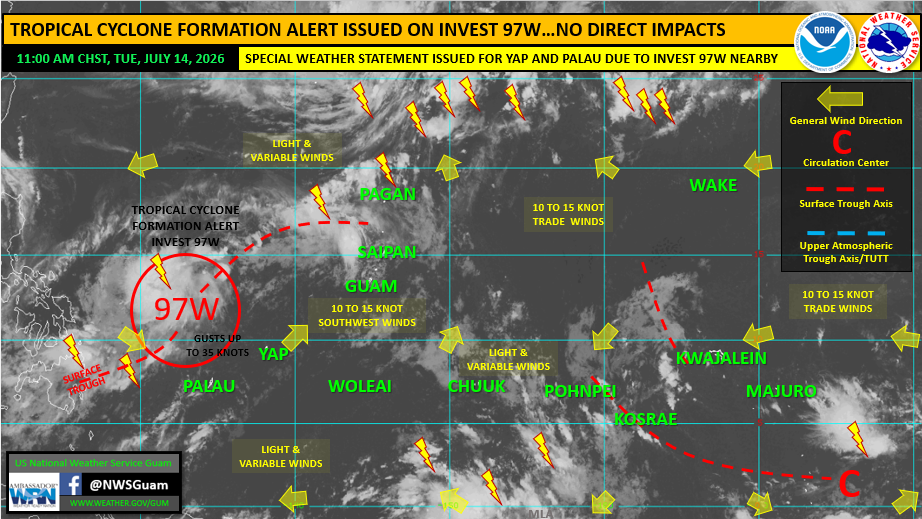
A regional tropical cyclone formation alert has been issued as a developing weather disturbance northwest of Yap threatens to strengthen the seasonal monsoon across western Micronesia and the Mariana Islands.
MAJURO, Marshall Islands — “They could have said you are ‘nowhere near being ready,’ but they didn’t,” Marshall Islands fisheries Director Glen Joseph said in an interview on June 19. “Instead, they gave us five items to respond to.”
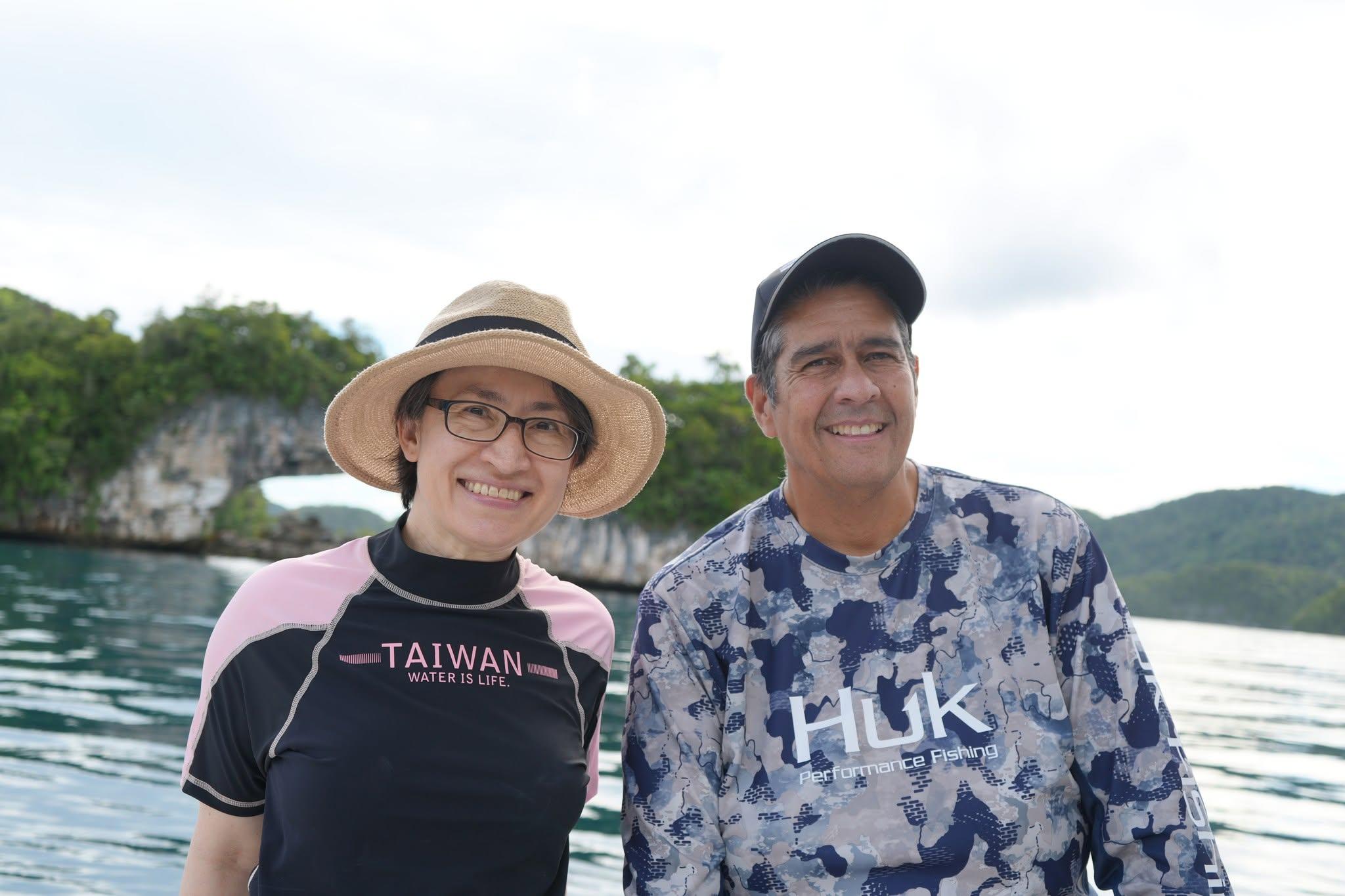
President Surangel S. Whipps Jr. escorted Vice President Hsiao Bi-khim of Taiwan to the Rock Islands, where she kayaked and swam on her first visit to Palau.
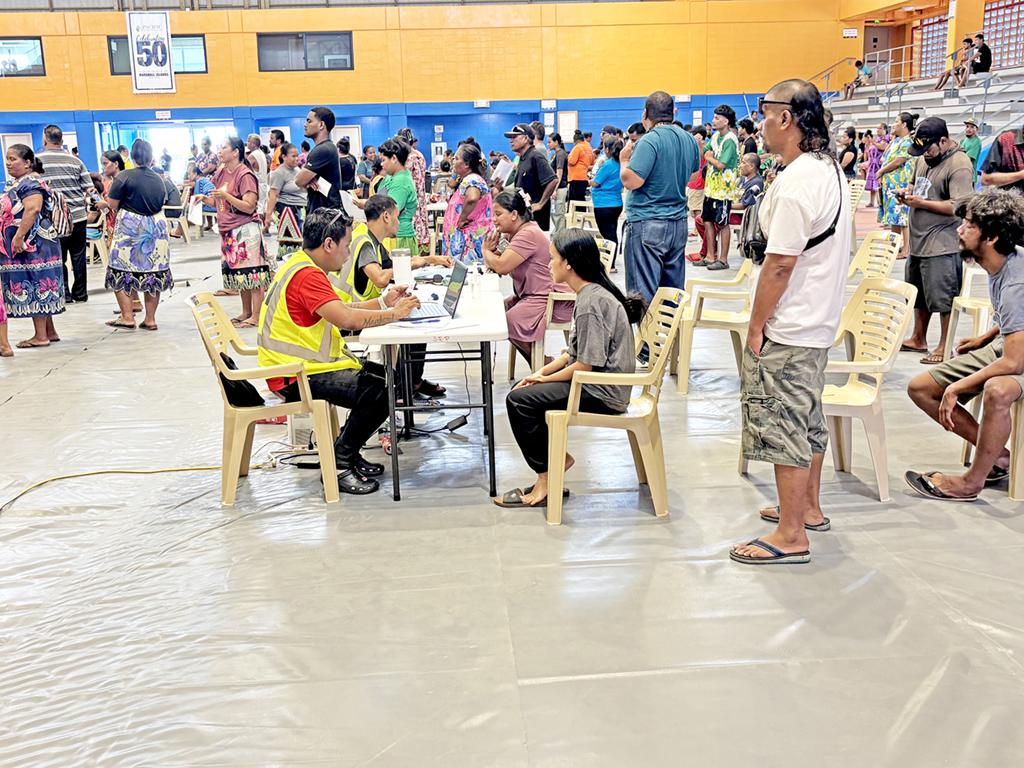
MAJURO, Marshall Islands — The third quarterly distribution of universal basic income to every citizen in the Marshall Islands happened May 28, as tens of thousands received a US $200 payment.