One month after Super Typhoon Sinlaku passed through the region, Guam’s commercial supply chain has rebounded to full operational capacity, though local distributors continue to navigate lingering logistics challenges.
While primary commercial infrastructure escaped major structural devastation, the storm exposed vulnerabilities in highly perishable grocery logistics, localized fuel distribution, and emergency utility dependencies.
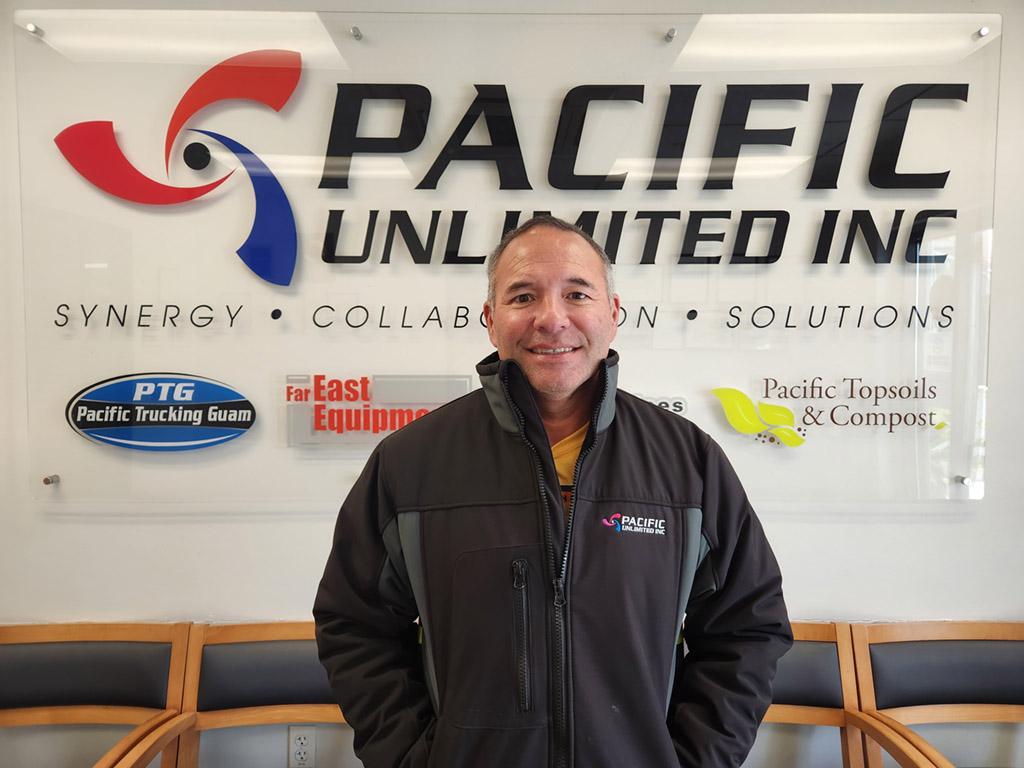
Michael Limtiaco, vice president of Pacific Unlimited, rated the Port Authority of Guam’s post-typhoon response as average. He said that marine operations were initially constrained by mandatory U.S. Coast Guard channel safety assessments and a severe storm surge that deposited impassable debris across the main roadway.
Michael Limtiaco rated the Port of Guam’s post-typhoon response as average. Photos by Daniel M. Perez
Limtiaco said, "The storm surge also washed up a bunch of rocks onto the roadway, which made it inaccessible. He said although he was initially concerned when Condition of Readiness 1 was not lifted immediately after the storm passed, he later understood that officials did not want traffic on dangerous roads. To realign delivery schedules following the harbor closure, Limtiaco said that Matson skipped a scheduled port call, resulting in a one-week delay for incoming ocean freight.
To mitigate these shortfalls, Limtiaco emphasized that Pacific Unlimited utilized its 30-day inventory reserves to maintain non-perishable food distributions.
Conversely, the island's air cargo network suffered far more severe disruptions, with standard commercial shipments experiencing delays of up to four weeks.
Limtiaco said that the backlog was intensified because substantial commercial air cargo space was rerouted to prioritize military logistics. We had a lot of air freight cargo get bumped" to support Epic Fury operations in the Middle East. According to Limtiaco, these logistics bottlenecks directly impacted local retail inventory, triggering a two-to-three-week shortage of fresh produce. He said because arriving shipments were delayed by a week, incoming grocery inventory already had an additional week of deterioration on its shelf life. "What you saw in the stores wasn't the prettiest product, but some is better than none."
Localized fuel logistics also encountered immediate post-storm hurdles. Limtiaco said that the port's fuel gantries did not open immediately after the storm, which directly impacted the company's fleet services division. He said that because the division delivers diesel fuel to maintain client generators, the company quickly ran out of its own fuel storage while rushing to support local businesses.
Despite these obstacles, Limtiaco reported that Pacific Unlimited restored full business operations within seven days of the typhoon, operating out of a typhoon-resilient tilt-up concrete facility completed in 2022 with high redundancy in backup power and refrigeration. He highlighted that once internal operations stabilized, the logistics provider donated all transportation and trucking services to non-profit groups, including the Ayuda Foundation and civic organizations led by Frank "The Crank" Camacho, to transport emergency relief containers filled with food and water to the port for deployment to the Northern Mariana Islands.
Similarly, fellow wholesaler Micronesian Brokers Inc. bypassed major supply disruptions despite managing a heavy volume of chill and frozen goods. Dominic P. Reyes, operations manager at MBI, reported that the firm experienced zero cargo losses or temperature compromises. While the facility encountered minor post-storm power fluctuations and breaker issues, Reyes noted that Fleet Unlimited and J&G Construction responded quickly to resolve the technical glitches, keeping company downtime virtually non-existent. "We're pretty prepared," Reyes said, pointing to MBI's first responders team and extensive backup power and fuel systems.
MBI also avoided the ocean freight bottlenecks that hampered other distributors. Reyes said that more than 90% of MBI’s containers arrive via APL rather than Matson, insulating them from the immediate impacts of Matson's skipped port call, though the typhoon did cause a minor logistical trickle that delayed some incoming APL and Melco shipments.
QuejaTo secure local supply lines, MBI relies on a robust safety inventory. Reyes and Hermie S. Queja, general manager of MBI, said the company maintains a strict two-to-five-month stock level on hand as part of its standard operating procedures. "We make it a point to maintain certain stock levels," Queja said, noting that buffers vary from one to three months depending on shipping lead times, such as longer transits from New Zealand compared to a one-month timeline from the U.S. mainland.
Furthermore, MBI avoids the volatile air cargo market entirely. "We stay away from air freight," Queja said. "We don't do produce, or anything like that."
This operational resilience allowed MBI to quickly pivot toward regional relief efforts in Saipan, where Super Typhoon Sinlaku caused severe utility damage. Queja said while MBI’s Saipan warehouse escaped structural damage, the Commonwealth Utilities Corp. lost hundreds of power poles, crippling the local grid.
Operating out of its own generator-powered facility, MBI partnered with Guam Cancer Care to facilitate emergency distributions of Ensure and Glucerna adult nutritionals for displaced cancer patients in Saipan, collaborating directly with the Commonwealth Cancer Association.
In addition to direct product donations from MBI, Queja utilized his network within the Rotary Club to secure an air freight subsidy through Star Marianas to fly the medical nutritionals to Saipan. MBI also managed supply logistics and deliveries for local entities like Pacific Financial Corp. to expedite community aid.
Like Pacific Unlimited, MBI leadership rated its post-typhoon operational efficiency a perfect 10 out of 10. Reyes said that MBI crews were deployed and delivering cargo even before Condition of Readiness 4 was officially declared, with delays occurring primarily on the retail side when local stores lacked the utility power to receive shipments. Noel Metra, assistant general manager of MBI, credited the rapid recovery to enhanced organizational coordination and strict pre- and post-typhoon checklists implemented after Typhoon Mawar. "After Mawar, we were better prepared," Reyes said. MBI upgraded its technological infrastructure and backup systems specifically to eliminate the prolonged operational hiccups experienced in previous storms.
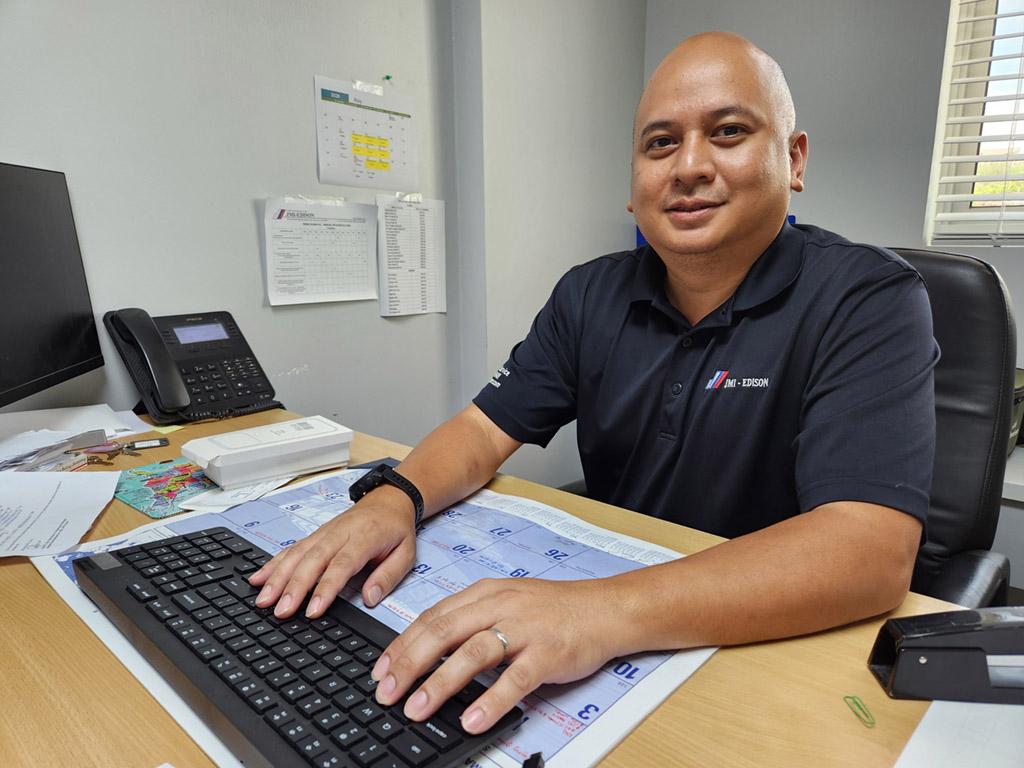
Industrial equipment and infrastructure support sectors experienced a matching surge in emergency demands. Romeo Oriondo, operations manager at JMI Edison, said that the company saw an immediate influx of post-storm orders for generator repairs, emergency maintenance, and component overhauls.
Romeo Oriondo said JMI Edison saw an immediate influx of post-storm orders. Photos by Daniel M. Perez
"All the water and power utility companies were coming to us to get their generators, their motors, and whatever mechanical equipment they wanted checked by us." To handle these critical demands, Oriondo said that JMI utilizes strict pre- and post-typhoon checklists, which include keeping its own diesel containers and generator tanks completely filled.
"You don't want to be that guy who has a generator but come a typhoon, it doesn't work." Oriondo noted that the firm reported zero direct product losses because teams secured the facility 24 to 48 hours before the storm, allowing boots on the ground to conduct structural inspections by Wednesday afternoon.
Unlike the air freight sector, Oriondo confirmed that JMI Edison experienced zero container offloading delays at the local port. He said, "I believe the port of Guam did actually a good job in making sure whatever containers needed to be offloaded."
However, he noted that ongoing ocean freight and air cargo rates have spiked by a minimum of 10% due to international military conflicts rather than localized typhoon disruptions. "Everyone uses diesel, everyone uses fuel logistics-wise."
Regarding localized utility infrastructure, he said that power, water, and telecommunications providers applied lessons learned from Typhoon Mawar to upgrade their networks, which significantly mitigated service failures during the 80-mile-per-hour storm.
JMI Edison has since returned to a maximum operational efficiency score of 10 out of 10, with Oriondo commenting that operations are running "like nothing even happened."
JMI Edison functions as an essential solutions provider on island, managing the airport's baggage handling systems, maintaining medical radiology equipment at local clinics, and supplying transformers and wastewater pumps to public utilities. Oriondo said that immediately following the storm, JMI Edison technical teams deployed to assist the Guam Power Authority and the Guam Waterworks Authority, providing critical services to get pump stations and substations back online in Talo'fo'fo and Hagåtña.mbj
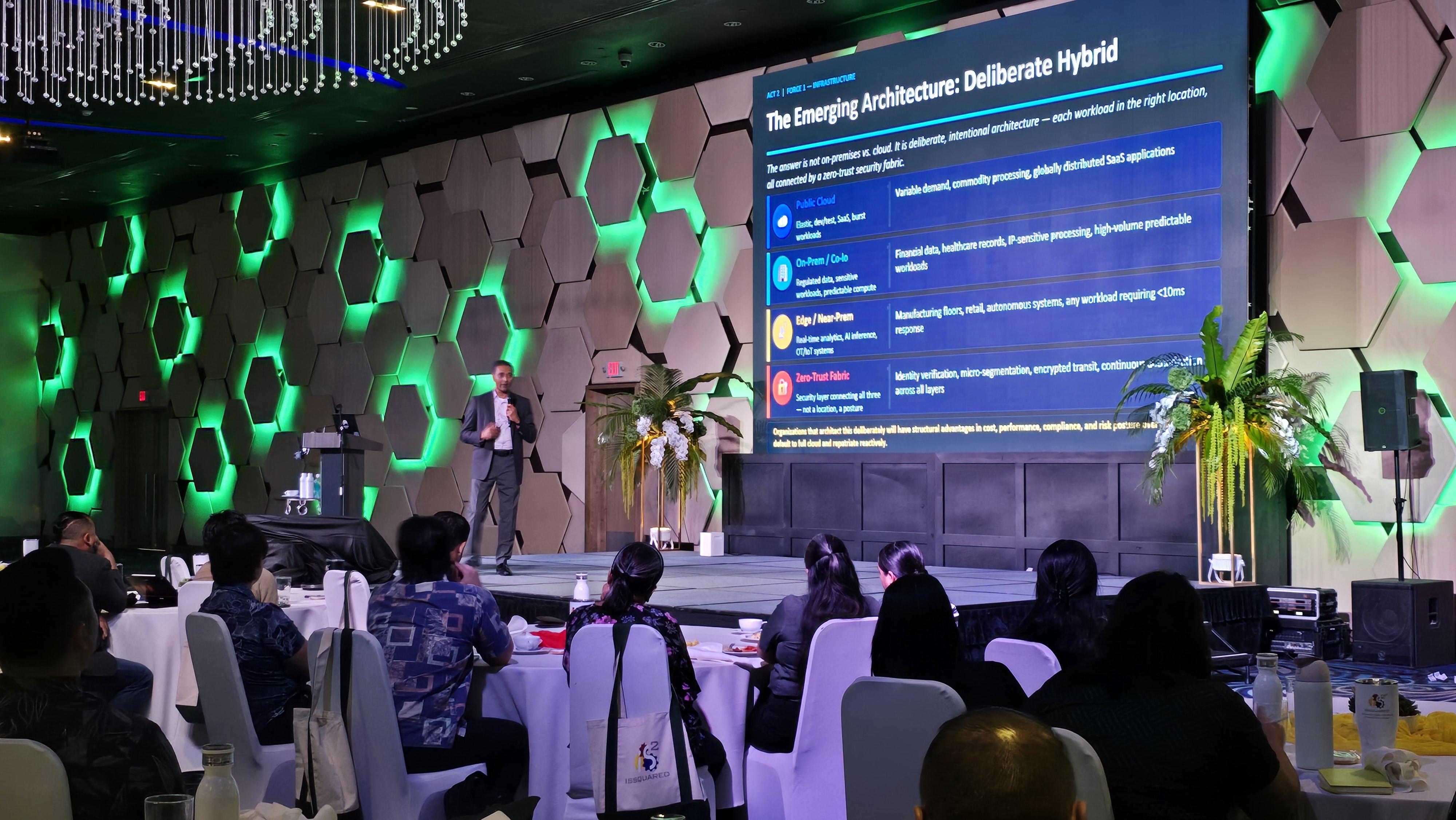
Rapid advancements in artificial intelligence, escalating cybersecurity threats, and mounting physical power grid constraints are forcing regional business leaders to fundamentally overhaul their technology strategies, shared to industry experts during a technology conference held on July 23 at the Dusit Thani Guam Resort.
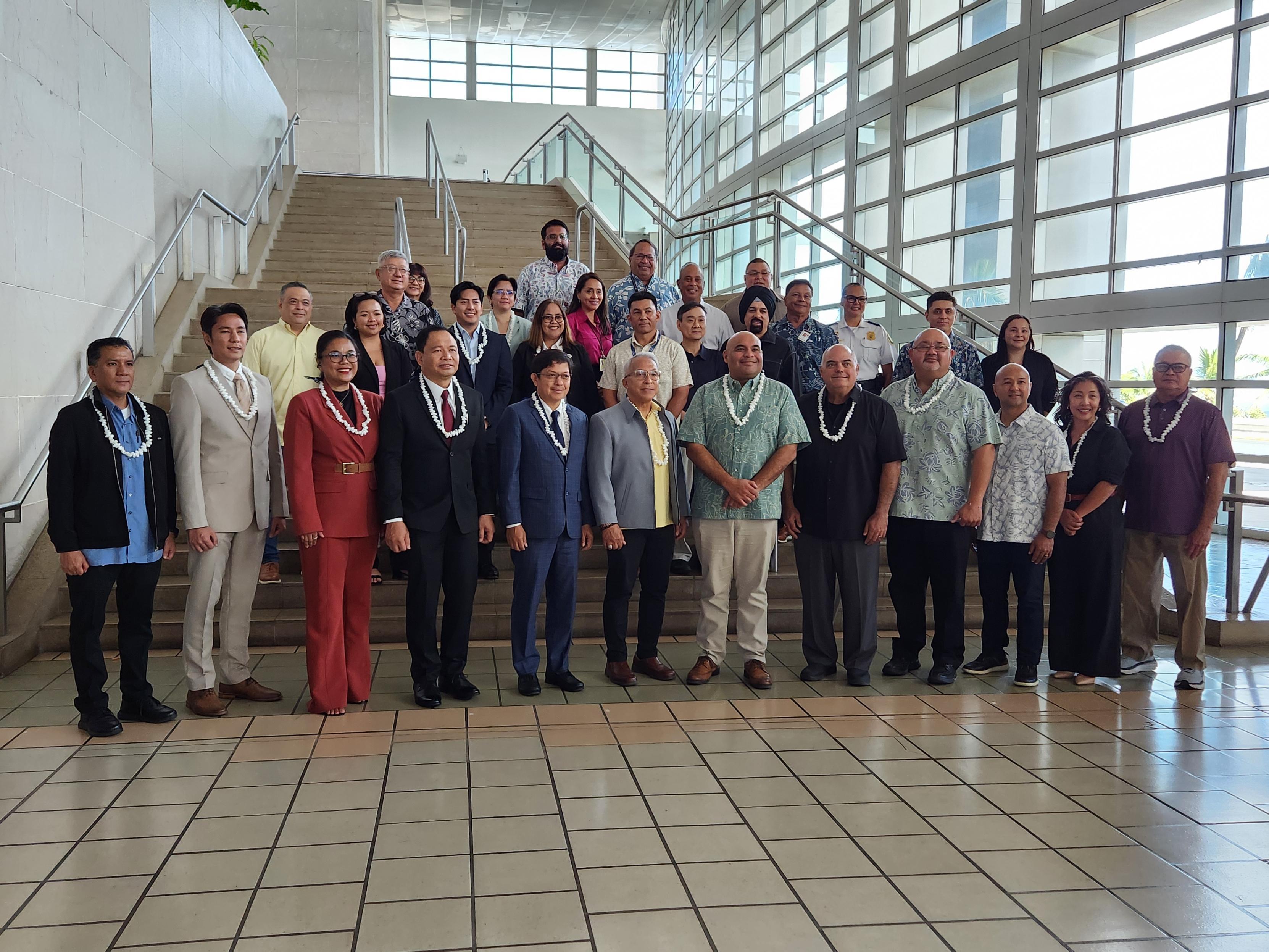
Regional leaders, government officials, and industry executives gathered at the Guam International Airport Authority on Wednesday, July 22 for the inaugural session of the Guam-CNMI Visa Waiver Working Group, driving a unified regional effort to expand the Guam-CNMI Visa Waiver Program to include the Philippines.
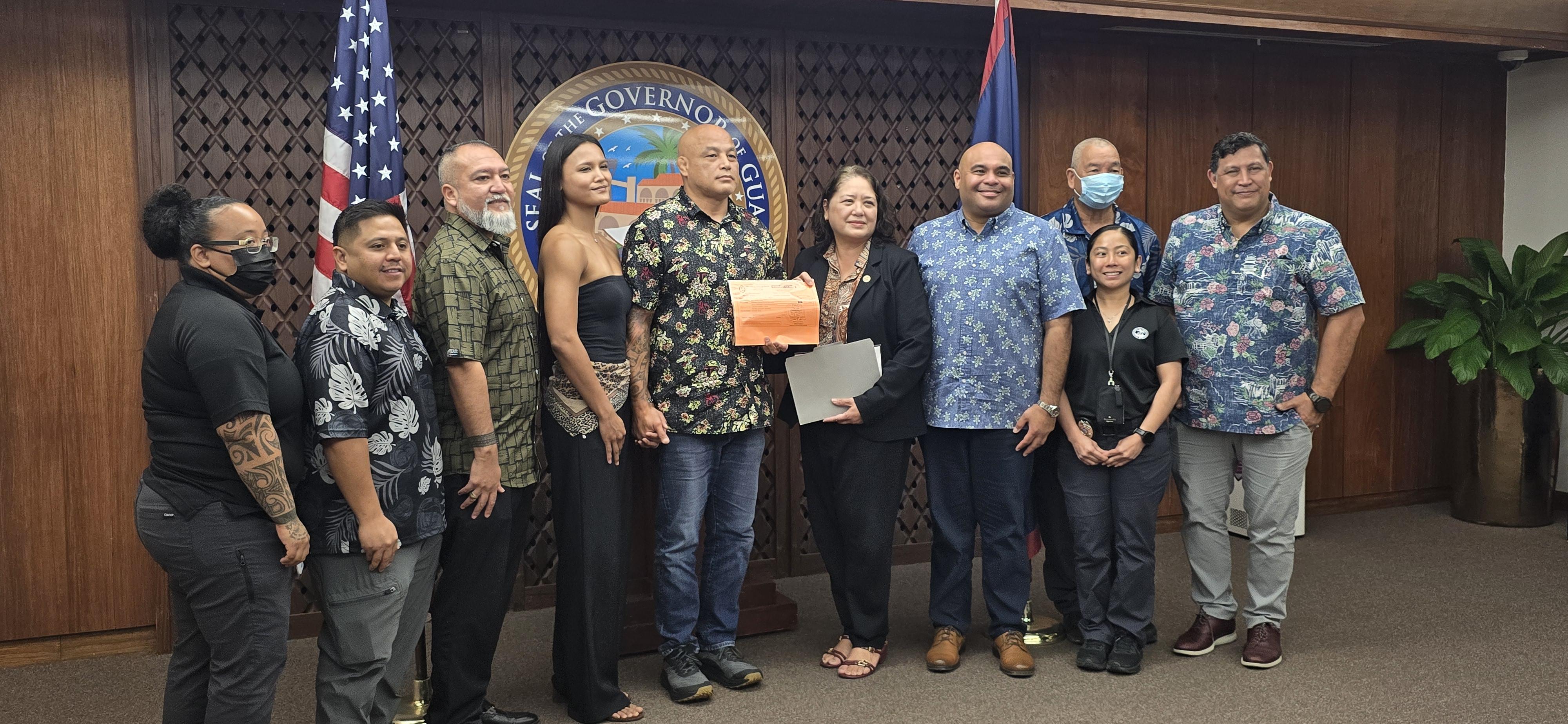
The commercial adult-use cannabis industry on Guam has officially launched following the issuance of the island's first recreational cannabis cultivation license to local grower Stephen Roberto, operator for Deep Green Guam of Guam Real Deal, LLC.