Shipping expert says don’t expect changes after Guam Jones Act waiver
While James C. Moylan, Guam’s delegate to Congress, has said the Jones Act waiver is a win for Guam, a shipping industry expert who declined to be identified told the Journal the reality is different.
The waiver is for 60 days for oil and fuel shipments, and other goods like natural gas, fertilizer, and coal arriving at American ports.
The expert said the time frame won’t work. “It’s too short for any company; they won’t take that opportunity. There’s way too much money involved.”
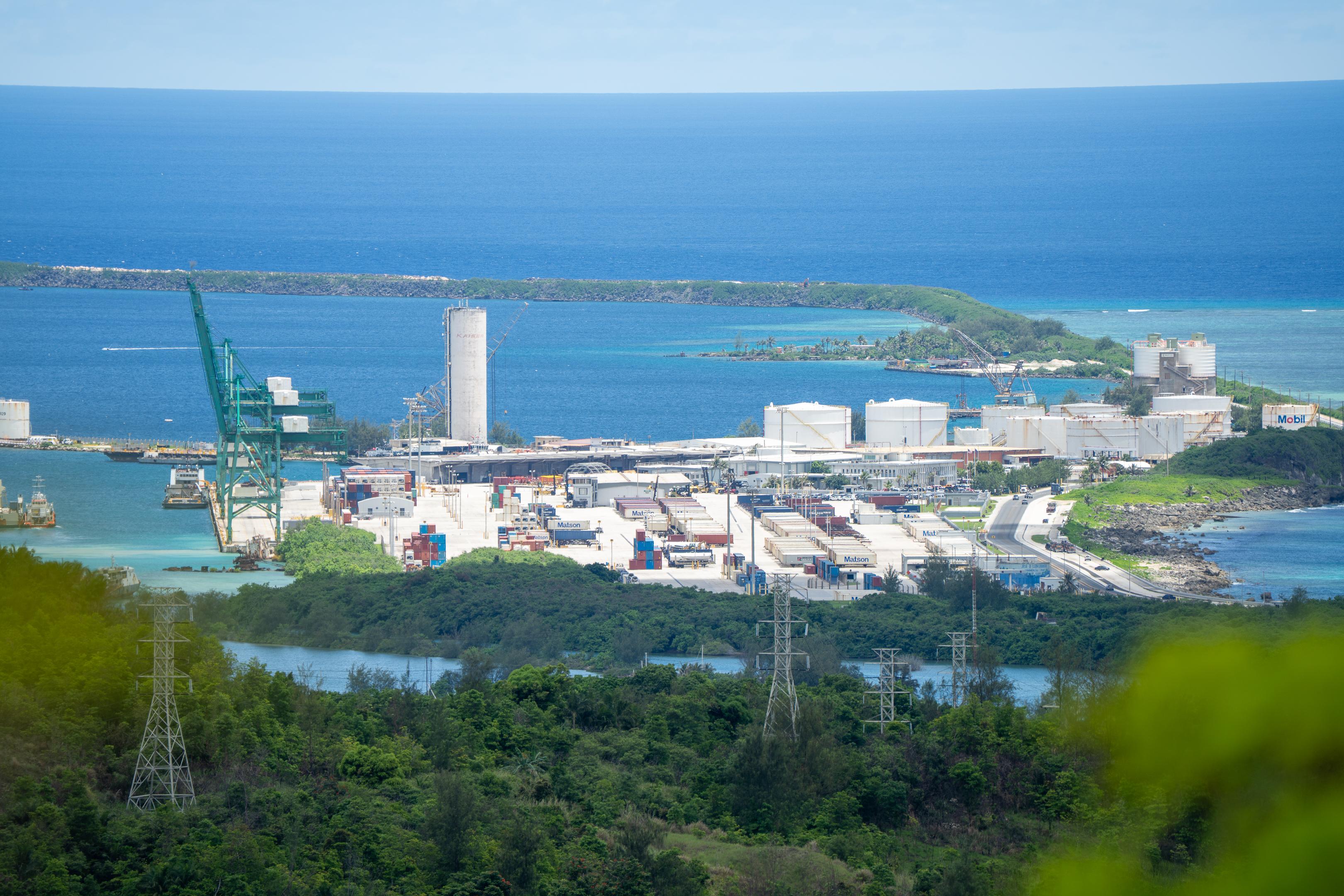
The Port Authority of Guam. Photo by Skyler Obispo
For the island to benefit, the expert said the time frame would need to be longer. “You need at least 12 months.” Even if shippers were interested now, the expert said, “By the time they put something in place almost two months are gone.”
Size also plays a part, the expert said. Even if the waiver was for all goods and services, Guam is a small market, the expert said.
As far as current shipping lines are concerned, the expert said, “We’ve got the best service now — two major carriers right now.”
The expert recognized the major increase in the cost of fuel, from $48 to $1,400 a barrel, and said, “The fuel went up, so everybody has to compensate for that cost. Most of [Guam’s] merchants have planned for the whole year. Now they have to re-evaluate.”
Businesses and residents should consider the real threat, the expert said. “Supply is going to be an issue. … Do we have enough fuel to keep our ships going? Supply is down. They are also affected.”
Guam’s fuel is typically refined in Singapore and sourced from Asia, where despite having a fuel reserve, countries are already jumpy and introducing the first austerity measures.
Jones Act waivers were briefly introduced in the U.S. and Puerto Rico after hurricanes but were for days only.
Matson Navigation Co. is a staunch supporter of the Jones Act, viewing it as essential for U.S. national security, homeland security, and the stability of the domestic maritime industry. As a major beneficiary, Matson argues the Act supports thousands of American jobs and serves as a vital lifeline for Hawaii, Alaska, and Guam, while actively intervening against legal challenges to the law.
There have been previous attempts against the Jones Act.
In December 2019, U.S. Representative Edward E. Case of Hawaii introduced a package of bills aimed at amending the Jones Act to reduce high shipping costs in Hawaii and other non-contiguous jurisdictions.
At the time, Matson issued the following statement: “Hanging Hawaii's higher costs of living on shipping ignores what local economists and journalists have consistently found over the years, which is that shipping costs are just one of many cost factors that go into local pricing of consumer goods and represent a small fraction of price differences between Hawaii and the mainland.
“The reason the Jones Act has had such strong bi-partisan support in every Congress and administration in modern times is because it is important to homeland security and national defense, as well as the security of service to remote communities like Hawaii and Alaska, from an economic standpoint. The importance of being able to rely on critical supply line transportation is easy to take for granted but hard to overstate.”
The Jones Act also supports more than 650,000 jobs in the U.S., including thousands here in Hawaii, Matson said in 2019.
Case also introduced various bills in January 2025.
The Jones Act, officially known as the Merchant Marine Act of 1920, was signed into law on June 5, 1920. The intention of Congress was to develop a merchant marine for reasons of national defense and of growth of foreign and domestic commerce. Prior to the Jones Act, similar legislation existed.
The laws requiring that vessels transporting cargo domestically be U.S.-built, owned, and crewed, were temporarily suspended during World War I. The Jones Act of 1920 reinstated those ideas into law, and expanded restrictions regarding vessels used for cabotage in the United States.
While supporters highlight its role in generating jobs and economic activity, critics argue that it contributes to higher prices and economic challenges. mbj
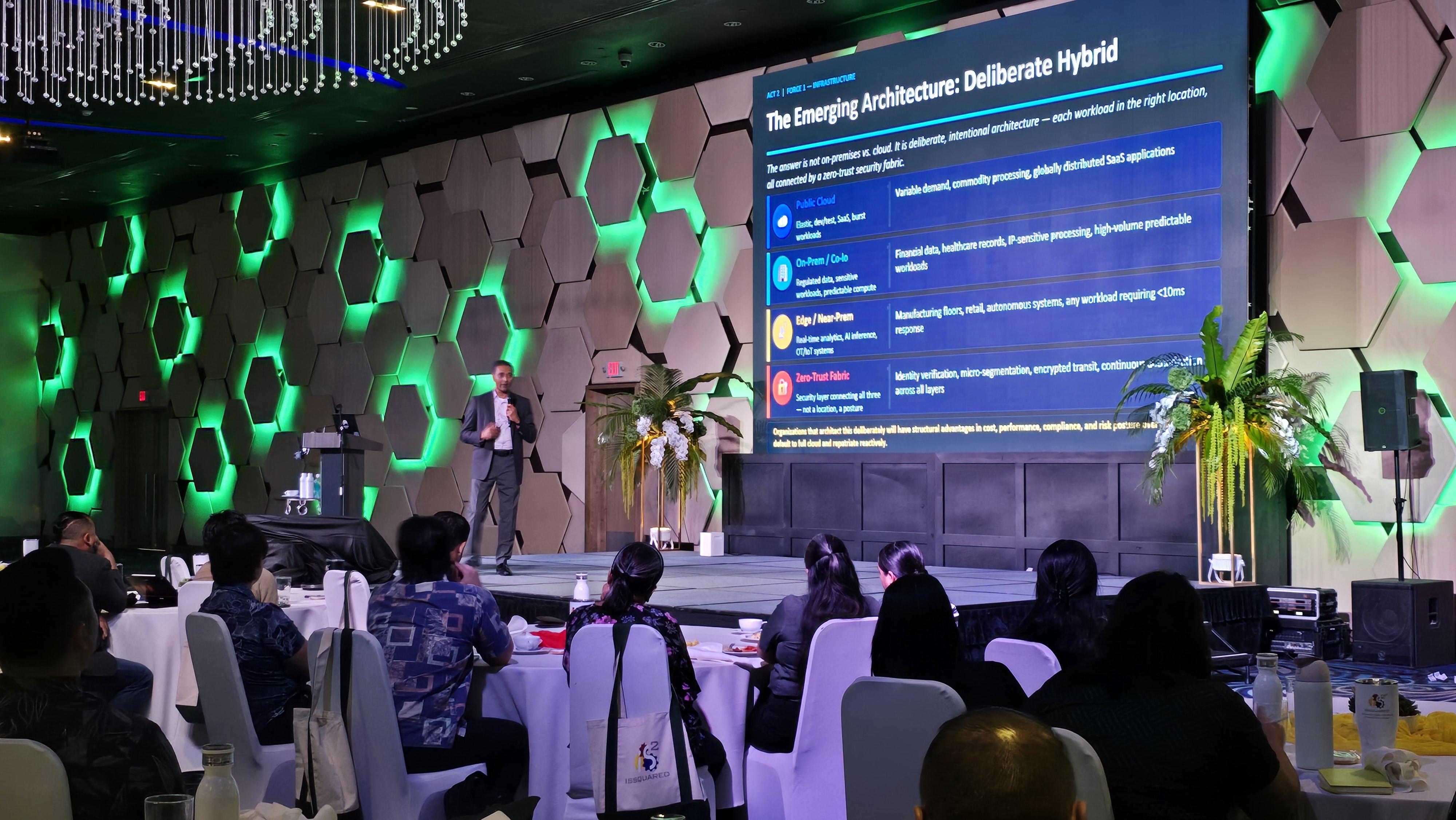
Rapid advancements in artificial intelligence, escalating cybersecurity threats, and mounting physical power grid constraints are forcing regional business leaders to fundamentally overhaul their technology strategies, shared to industry experts during a technology conference held on July 23 at the Dusit Thani Guam Resort.
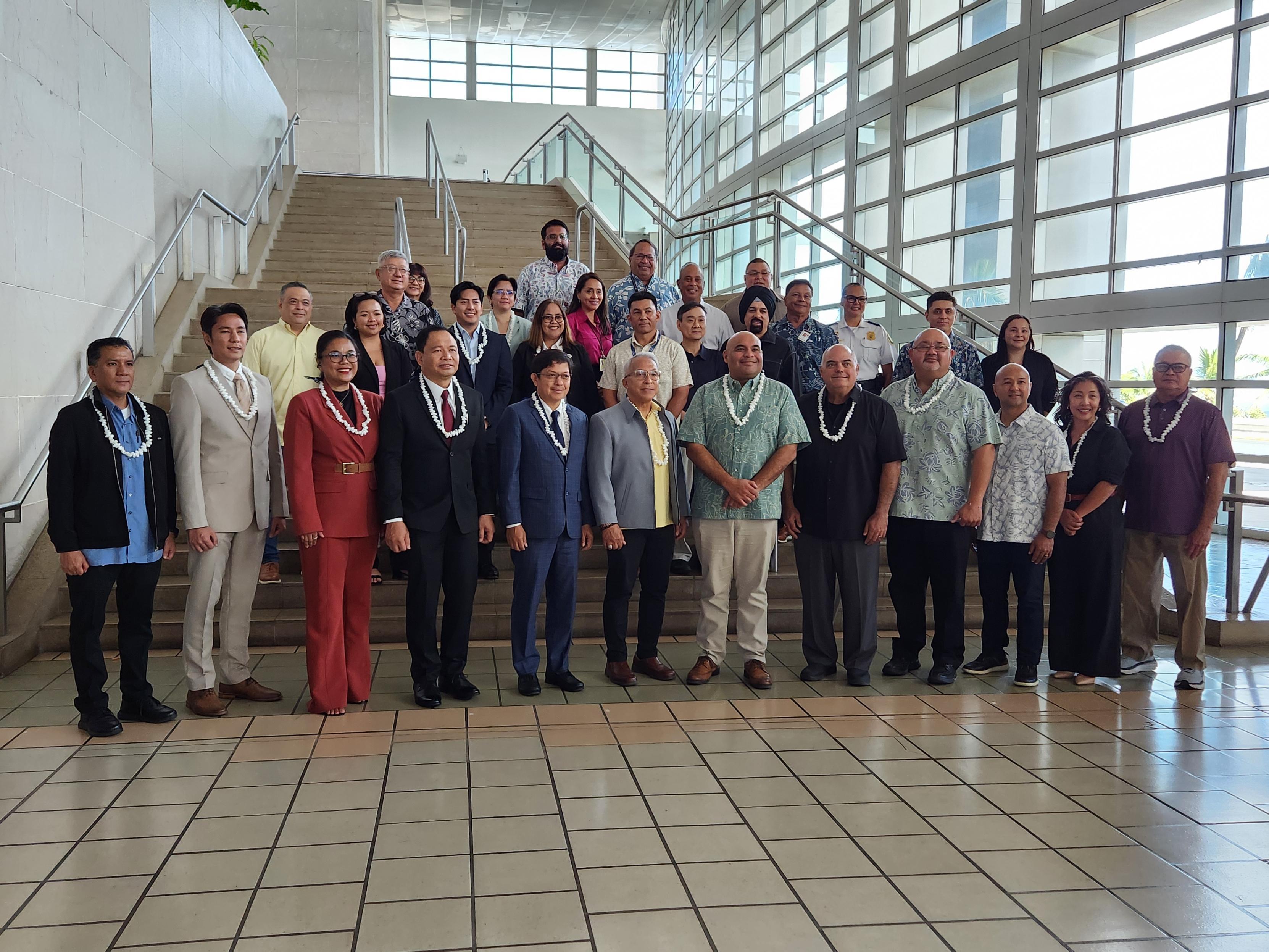
Regional leaders, government officials, and industry executives gathered at the Guam International Airport Authority on Wednesday, July 22 for the inaugural session of the Guam-CNMI Visa Waiver Working Group, driving a unified regional effort to expand the Guam-CNMI Visa Waiver Program to include the Philippines.
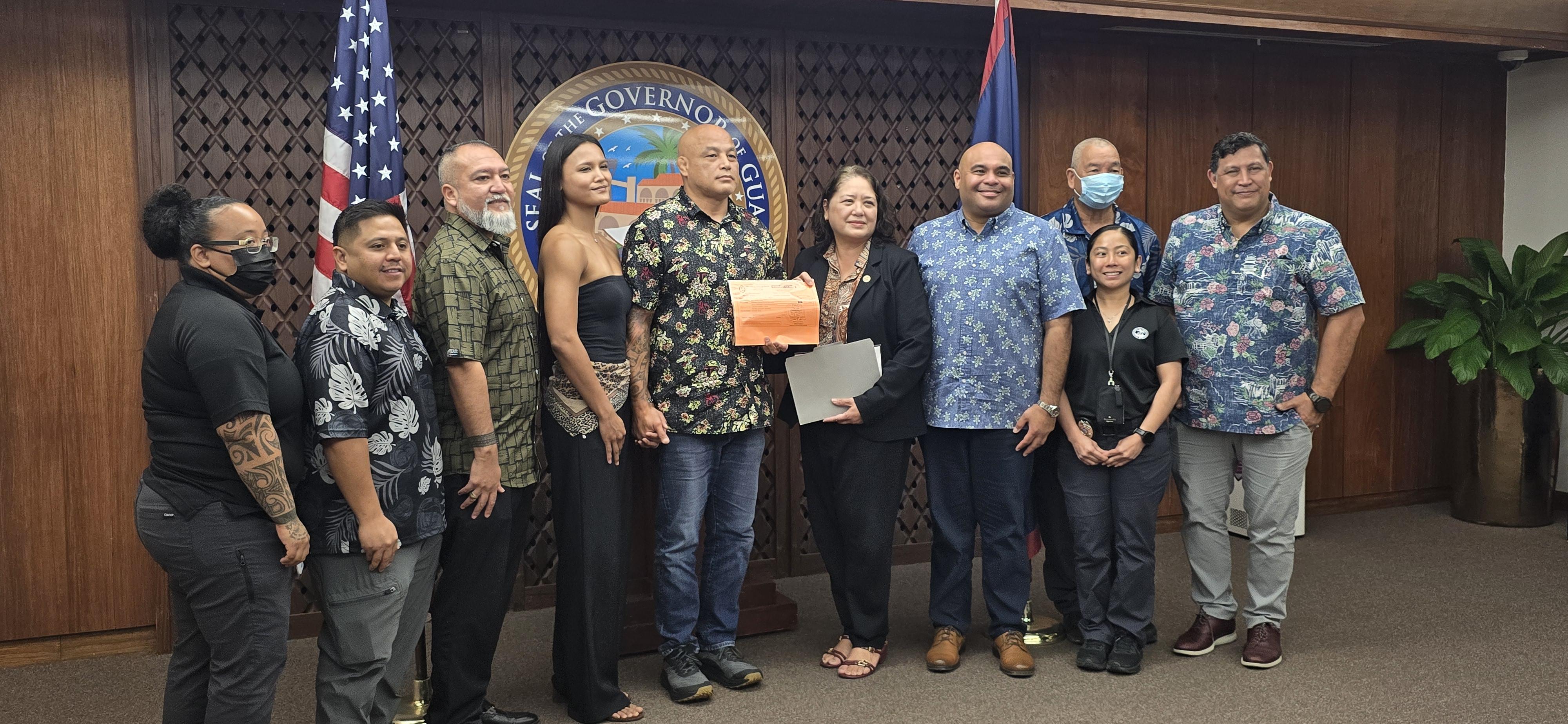
The commercial adult-use cannabis industry on Guam has officially launched following the issuance of the island's first recreational cannabis cultivation license to local grower Stephen Roberto, operator for Deep Green Guam of Guam Real Deal, LLC.