













BY MAUREEN N. MARATITA
Journal Staff
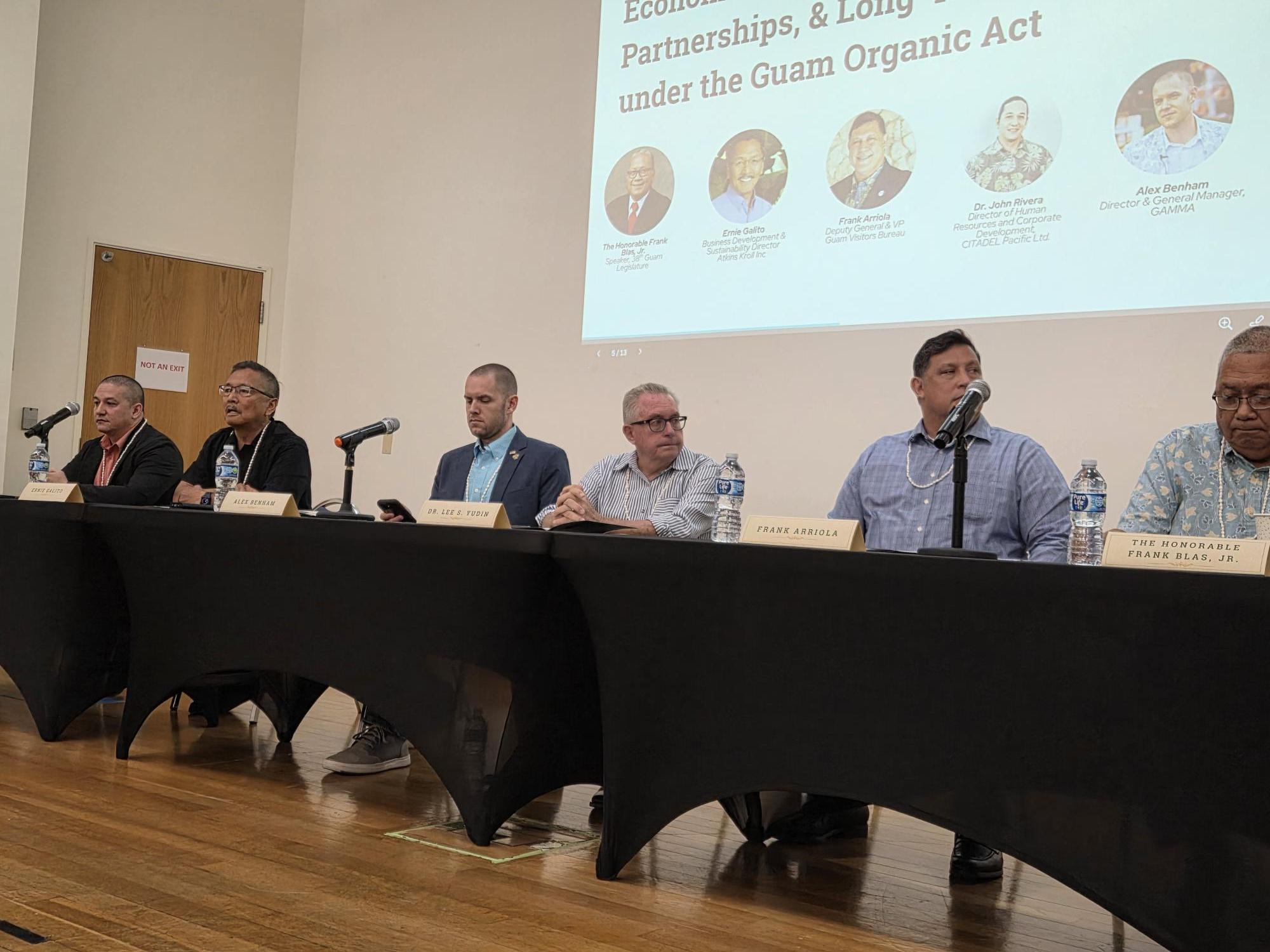
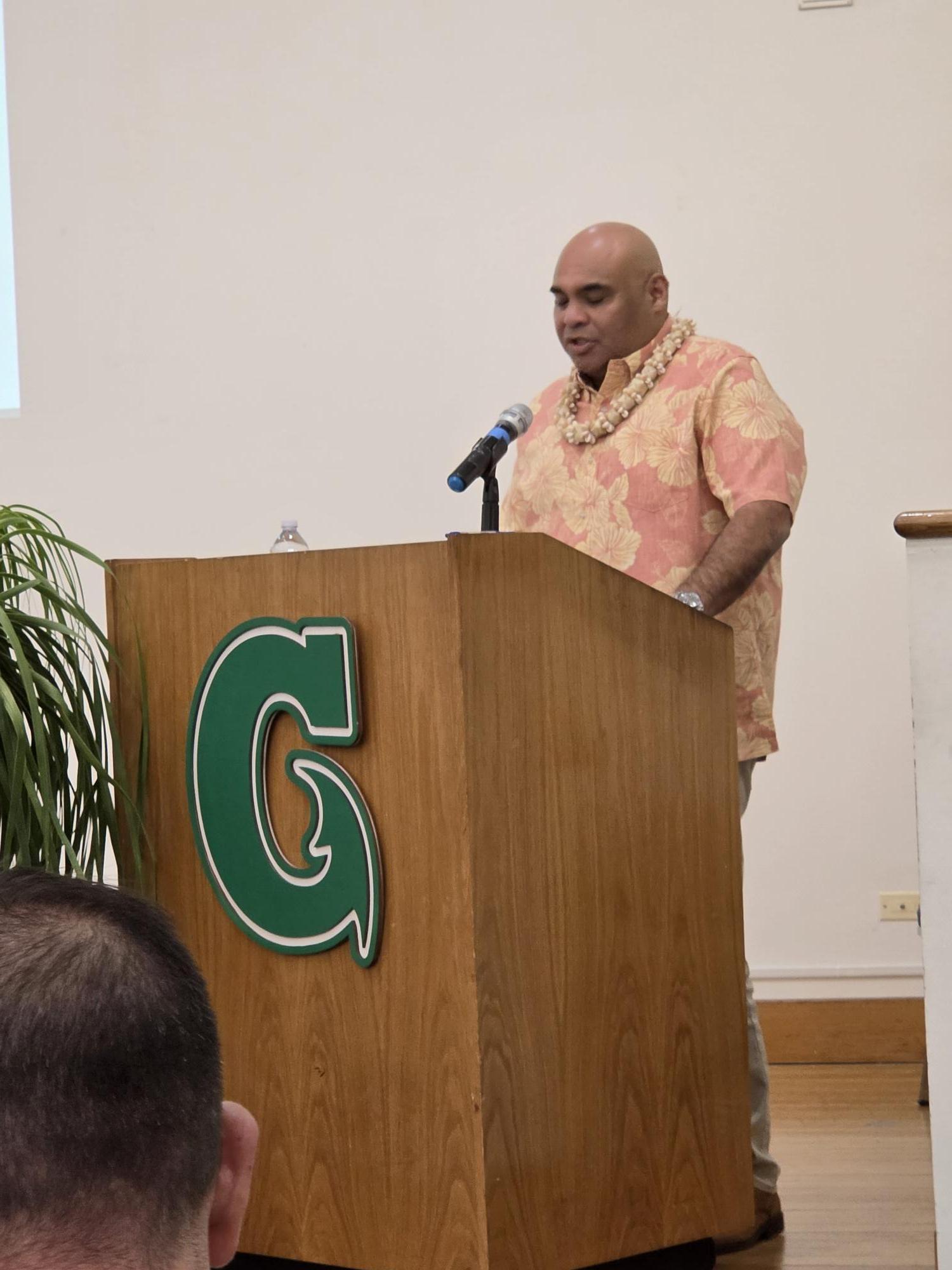
Lt. Governor Joshua F. Tenorio kicked off the morning at the Master of Public Administration Class’s morning conference on May 9.
While Tenorio noted “being the tip of the spear is sometimes a burden,” using the example of the high prices of gas in Guam compared to U.S. mainland states, he moved on to discuss the appeal of the island to visitors.
“They come for what is unique here,” he said. “When we invest in that, it does pay off.”
Tenorio said that investment includes a landmark in Hagåtña. “That is why we are embarking on building the next evolution of the Chamorro Village.” Plans for the three-phase project include air-conditioned space, more space for food and beverage businesses and a commercial kitchen for rent. “We will also use space for nutrition education,” Tenorio said.
No timeline for the Chamorro Village was shared.
According to Melvin Won Pat Borja, acting president of the Department of CHamoru Affairs, any bid package from the Guam Department of Works is still pending.
The funding will come from grants from the U.S. Department of the Interior of $1.2 million and the U.S. Treasury of $4.2 million. The Treasury grant is on a reimbursement basis, and Won Pat Borja said he was told by Guam’s Department of Administration that the first part of the reimbursement can only go up to $2.5 million, so the work will be effectively in three parts, or phases.
The Chamorro Village opened in December 1994, replacing the Guam Public Market. Plans are to develop the main pavilion, known as Sagan Dinana, which will be upgraded so that it can be open or closed when preferred, as an air-conditioned facility.
“A lot of people use the main pavilion,” Won Pat Borja said. The commercial kitchen is going to be next to Sagan Dinana. “We’re going to be building the Department of Chamoru Affairs Administrative Office on top,” he said.
Won Pat Borja said the Chamorro Village will also have its own maintenance shop. “We’ve just started to build up our maintenance staff.”
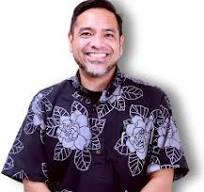
Sen. Frank F. Blas Jr., speaker of the 38th Guam Legislature, made the point that the island needs to diversify to grow. He said that Guam had the potential to increase “GDP in our back yard,” by looking around itself to the potential in Asia.
Frank P. Arriola, newly appointed vice president of the Guam Visitors Bureau, said the role of visitors bureaus had changed. “We are no longer marketing agencies, but destination management agencies.” After Super Typhoon Sinlaku, he said, “We recovered in record time. There were no cancelations; no stranded tourists at the airport.”
Alexander Benham is director and general manager of the Guam Advanced Materials & Manufacturing Accelerator, the initiative that ASTRO America and the University of Guam are partnering on to bring advanced manufacturing to the island at its 8,000 square foot property on Route 3 in Dededo and educate mechanical engineering graduates at the Colorado School of Mines.
He said GAMMA is building infrastructure and building a workforce. “Nothing will happen on its own. … If we don’t build the capability here, it will come from somewhere else.”
Benham later noted that Guam’s building code had not been appropriate in the beginning or allowed for the GAMMA project. “It took a lot of leg work to train thee people that need to validate me.”
Lee S. Yudin, senior director for ASTRO America’s Guam initiatives, talked about a prior aquaculture project for prawns and shrimp that was planned two years ago to export healthy seafood to Asia, which lacks them for development. “The potential is still there so that we can offer the demand that Asia needs,” Yudin said.
Ernie Galito, business development and sustainability director at Atkins Kroll Inc. raised the A.B. Won Pat International Airport, Guam as a facility that needs help. “The airport — as everybody knows — is underutilized.” Apart from the early morning and afternoon times, he said, “It’s virtually an empty airport.”
Galito reminded the audience that auto inspections were previously handled as a GovGuam function but were now handled by the private sector. “Outsourcing creates jobs,” he said. He suggested that the private sector could handle changing of light bulbs on public roadways, now handled by the Guam Power Authority. “Let the technical people do the technical things and outsource the manual things.” mbj
Journal Staff
Lt. Governor Joshua F. Tenorio kicked off the morning at the Master of Public Administration Class’s morning conference on May 9.
While Tenorio noted “being the tip of the spear is sometimes a burden,” using the example of the high prices of gas in Guam compared to U.S. mainland states, he moved on to discuss the appeal of the island to visitors.
“They come for what is unique here,” he said. “When we invest in that, it does pay off.”
Tenorio said that investment includes a landmark in Hagåtña. “That is why we are embarking on building the next evolution of the Chamorro Village.” Plans for the three-phase project include air-conditioned space, more space for food and beverage businesses and a commercial kitchen for rent. “We will also use space for nutrition education,” Tenorio said.
No timeline for the Chamorro Village was shared.
According to Melvin Won Pat Borja, acting president of the Department of CHamoru Affairs, any bid package from the Guam Department of Works is still pending.
The funding will come from grants from the U.S. Department of the Interior of $1.2 million and the U.S. Treasury of $4.2 million. The Treasury grant is on a reimbursement basis, and Won Pat Borja said he was told by Guam’s Department of Administration that the first part of the reimbursement can only go up to $2.5 million, so the work will be effectively in three parts, or phases.
The Chamorro Village opened in December 1994, replacing the Guam Public Market. Plans are to develop the main pavilion, known as Sagan Dinana, which will be upgraded so that it can be open or closed when preferred, as an air-conditioned facility.
“A lot of people use the main pavilion,” Won Pat Borja said. The commercial kitchen is going to be next to Sagan Dinana. “We’re going to be building the Department of Chamoru Affairs Administrative Office on top,” he said.
Won Pat Borja said the Chamorro Village will also have its own maintenance shop. “We’ve just started to build up our maintenance staff.”
Sen. Frank F. Blas Jr., speaker of the 38th Guam Legislature, made the point that the island needs to diversify to grow. He said that Guam had the potential to increase “GDP in our back yard,” by looking around itself to the potential in Asia.
Frank P. Arriola, newly appointed vice president of the Guam Visitors Bureau, said the role of visitors bureaus had changed. “We are no longer marketing agencies, but destination management agencies.” After Super Typhoon Sinlaku, he said, “We recovered in record time. There were no cancelations; no stranded tourists at the airport.”
Alexander Benham is director and general manager of the Guam Advanced Materials & Manufacturing Accelerator, the initiative that ASTRO America and the University of Guam are partnering on to bring advanced manufacturing to the island at its 8,000 square foot property on Route 3 in Dededo and educate mechanical engineering graduates at the Colorado School of Mines.
He said GAMMA is building infrastructure and building a workforce. “Nothing will happen on its own. … If we don’t build the capability here, it will come from somewhere else.”
Benham later noted that Guam’s building code had not been appropriate in the beginning or allowed for the GAMMA project. “It took a lot of leg work to train thee people that need to validate me.”
Lee S. Yudin, senior director for ASTRO America’s Guam initiatives, talked about a prior aquaculture project for prawns and shrimp that was planned two years ago to export healthy seafood to Asia, which lacks them for development. “The potential is still there so that we can offer the demand that Asia needs,” Yudin said.
Ernie Galito, business development and sustainability director at Atkins Kroll Inc. raised the A.B. Won Pat International Airport, Guam as a facility that needs help. “The airport — as everybody knows — is underutilized.” Apart from the early morning and afternoon times, he said, “It’s virtually an empty airport.”
Galito reminded the audience that auto inspections were previously handled as a GovGuam function but were now handled by the private sector. “Outsourcing creates jobs,” he said. He suggested that the private sector could handle changing of light bulbs on public roadways, now handled by the Guam Power Authority. “Let the technical people do the technical things and outsource the manual things.” mbj